
You bought better windows and now the garden disappears behind a wet pane at breakfast. It is an understandable thing to question. Before calling the glazing defective, find out which surface is wet and whether the pattern clears as the morning changes.
Start on the side you can reach safely
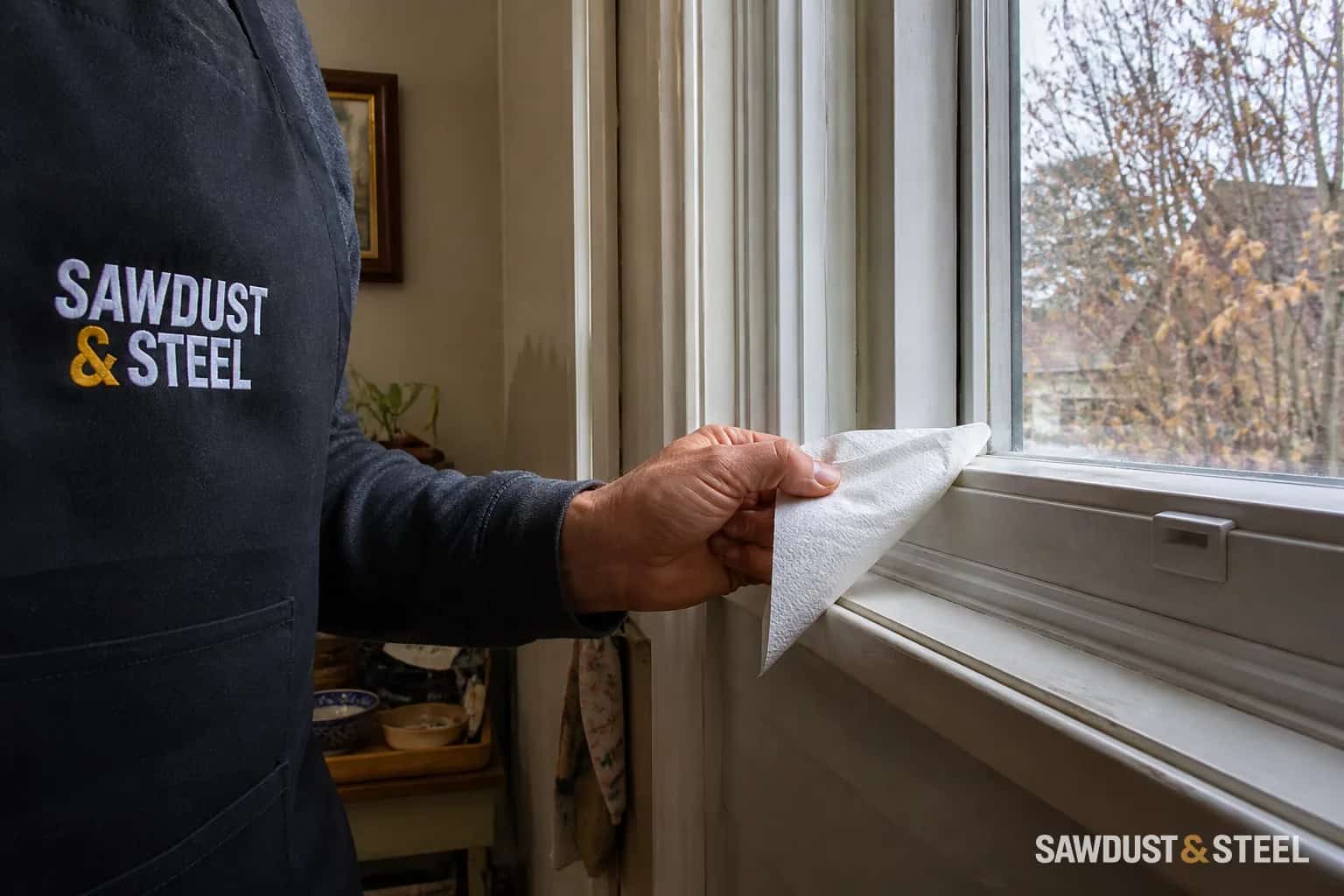
Wipe a small room-side area with a clean soft cloth. If that patch clears, the moisture is indoors. If it stays unchanged, do not immediately conclude that it is trapped between panes. The outside face may be wet. Check it only from a safe ground-level position or through an operating arrangement the manufacturer permits. Do not lean out of an upstairs opening to perform a finger test.
Photograph the full window, then a closer view. Note the time, whether it rained and whether the same thing happens on nearby glass. A photograph taken before breakfast and another later can be more useful than an urgent close-up with no location or timing.
NRCan explains that high-performance low-e windows can develop exterior condensation near sunrise after a cool, calm, humid night. That is different from moisture within a failed insulating-glass unit. Exterior dew by itself does not establish defective glazing.
| Where it is | Useful next step |
|---|---|
| Room-side surface | Review indoor conditions and local air circulation |
| Outside face around dawn | Record weather, exposure and later clearing |
| Inside a sealed glass cavity | Ask the glazing supplier about seal failure and repair |
| Interior frame or wall during rain | Investigate water entry separately |
Watch the ordinary morning pattern
Record whether the moisture clears as conditions warm or exposure changes. Compare the shaded opening with one receiving earlier sun without assuming they should behave identically. A roof overhang, nearby tree and open sky exposure can produce different conditions around the same house.
Do not change the indoor humidifier solely because the outside glass is wet. First establish whether indoor condensation also exists. The winter humidifier guide is relevant to room-side moisture, not an automatic treatment for dew outdoors. Separating those observations prevents an uncomfortable indoor adjustment made to solve the wrong surface.
Know what would change the investigation
A persistent haze that cannot be wiped from either accessible face, droplets visibly inside the sealed cavity or an internal stain merits a glazing-service enquiry. Use the fog-between-panes guide to compare glass, sash and whole-window repair scopes. An insect screen, reflection or dirty exterior surface can complicate the view, so give the supplier the observations rather than a confident remote diagnosis.
Water on the interior sill during rain is another issue. Trace when and where it first appears and report it separately. An exterior dew explanation should not be used to dismiss wet interior trim, repeated staining or damage to the surrounding wall. The window-track water guide helps describe the difference between managed water and an unresolved leak.
Clean gently and leave the assembly intact
Use the maker's approved glass-cleaning method if residue remains after drying. Avoid blades, abrasive pads and unapproved coatings. Do not drill the frame, block drainage openings or remove glazing seals to investigate morning moisture. A clear view obtained by damaging the assembly is an expensive result.
NRCan's window-upgrade guide distinguishes condensation on surfaces from moisture within sealed glazing, and discusses repair routes. Keep the window model, installation date and warranty records handy if a service visit is needed. Ask the installer which photographs and weather details would help them decide whether to attend early in the day.
Give the supplier a specific question
A useful message reads: 'The outside of the north kitchen window is wet around sunrise and clears later. The room-side cloth test stays dry, and we have not seen water on the sill. Is this expected for our glass package?' If the facts differ, change the message. The description matters more than the word condensation.
For a different pattern, say exactly what persists: 'The cloudy patch remains all day and neither accessible surface wipes clear.' Attach both a room view and a close photograph, with the opening identified. That makes a repair conversation much easier than sending one image captioned 'new windows failed'.
Keep monitoring proportionate. A few ordinary morning observations can establish a useful pattern. You do not need a spreadsheet for every drop, and you do not need to replace a serviceable window because it shares the lawn's morning dew.