
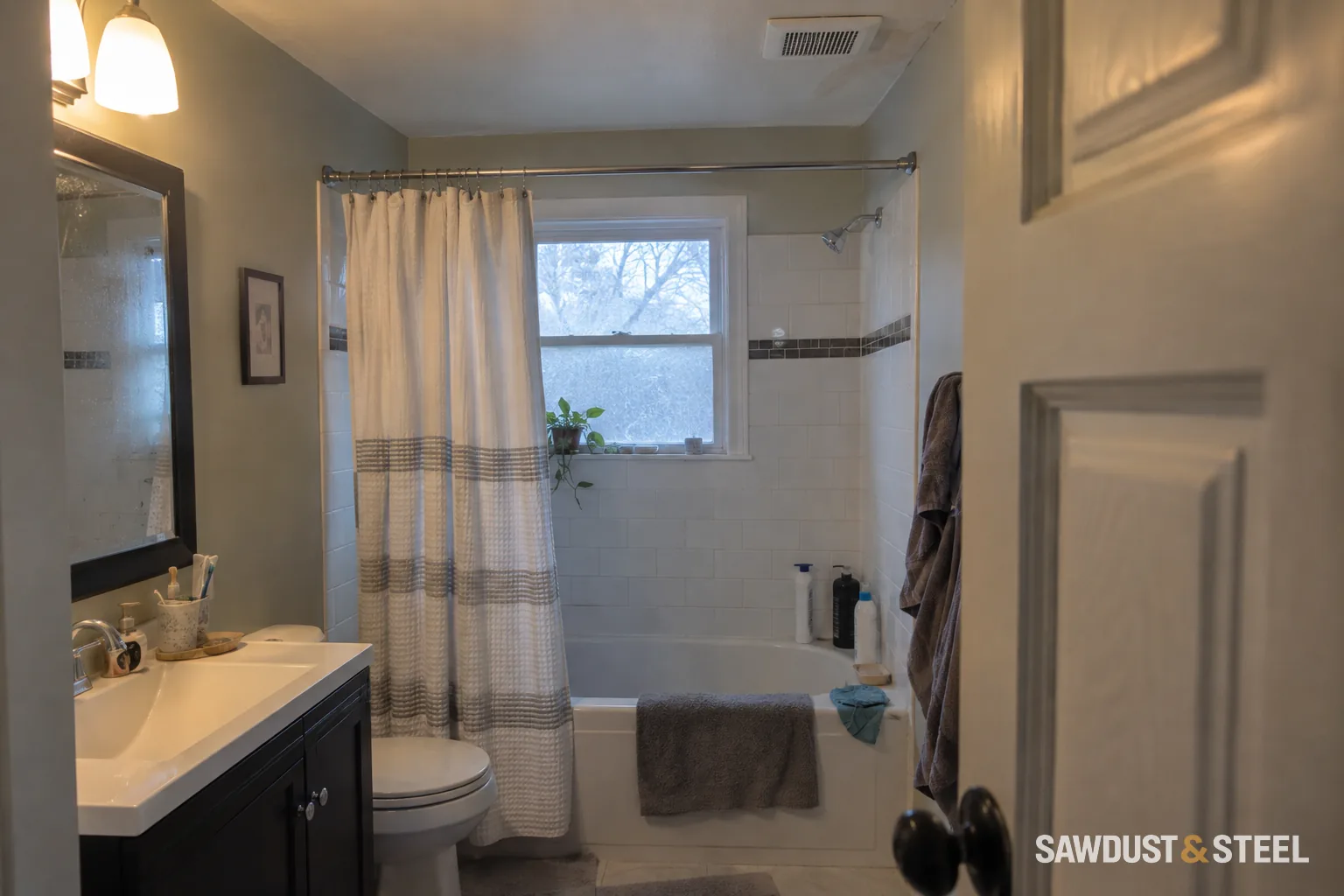
Bathrooms, thoughtfully planned4 min read
What Does a GTA Bathroom Renovation Cost in 2026?
Keeping the layout can leave more of the budget for finishes. See how plumbing moves, shower details, and existing damage affect the total.
Read the guideWalk-in showers, tile, vanities, and thoughtful accessibility upgrades. Built around your morning routine.
A better bathroom starts with the things you use every morning: a comfortable shower, storage within reach, clear lighting, and a fan that does its job. Behind those finishes, the drainage, ventilation, and waterproofing system need equal attention.
We work on bathroom layouts, showers, tile, vanities, fixtures, and accessibility upgrades. The scope depends on what is sound enough to keep and what needs rebuilding. A refresh can make sense when the room works well and the underlying assemblies are in good condition.
Recurring leaks, a soft floor, or poor ventilation need investigation before new finishes. The bathroom cost guide explains the items to compare in a quote, including concealed repairs and trade work.
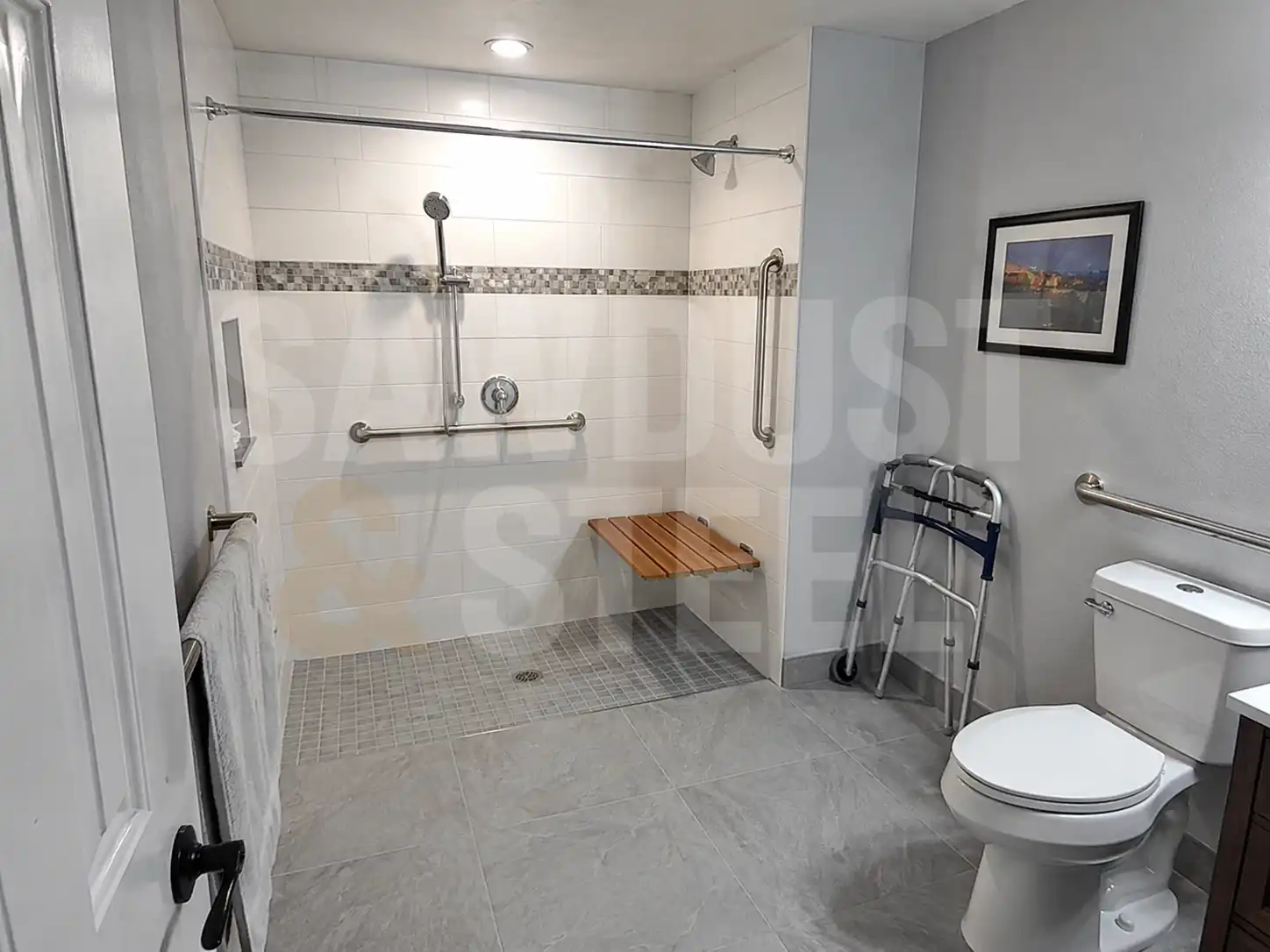
Elena wanted the tub gone. Her father wanted a place to sit. They agreed on a walk-in shower, then discovered that the useful choices were much more personal than the tile colour: where he would stand, how he would turn, and which hand he used for support.
The first drawing put the controls under the showerhead. It looked tidy. It also meant reaching into the spray to turn the water on. Moving the controls toward the entry was a small drawing change that made the room much easier to use.
The floor structure, drainage, and waterproofing needed to be resolved together. Support locations were planned before the walls closed. A sample of the first floor tile was rejected because it did not suit the intended wet-use conditions; they found another with the quieter look Elena wanted.
The finished room still felt like their house. A warm vanity, simple tile, a seat where it was useful. Her father noticed the tap first. Elena took that as the right kind of review.
“I can turn the water on, get it right, and then step in. That sounds small until you do it every day.”
The waterproofing system includes the wall and floor substrate, membrane, seams, corners, penetrations, and drain connection. Use compatible components and follow the exact installation and testing instructions. The illustration shows the layers of a membrane system, not a specification for every shower.
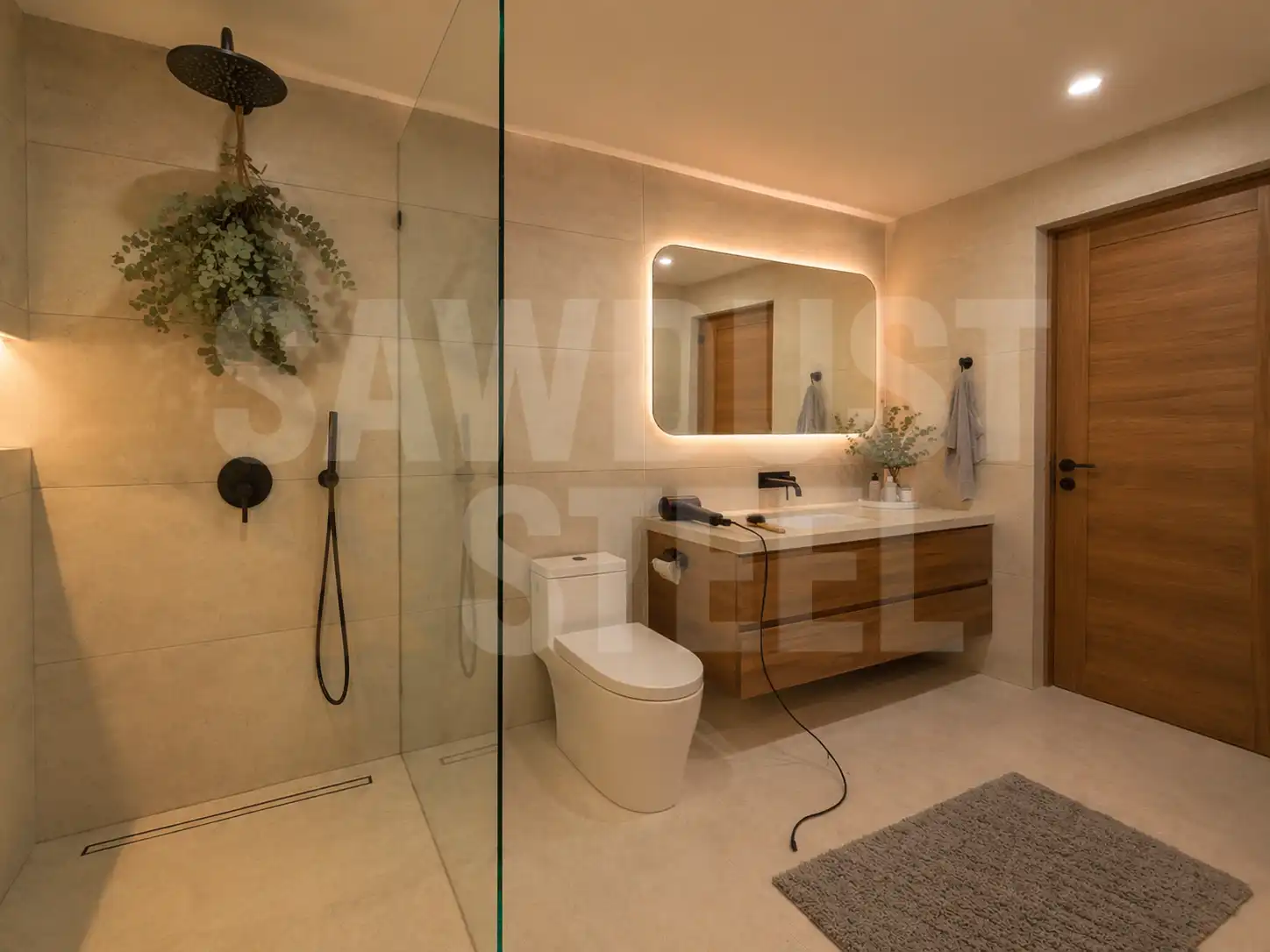
Plan the drain location, floor structure, slope, tile format, and waterproofing together. The accepted design and product instructions determine the details and required testing. A curbless entry also needs a plan for keeping water out of the rest of the room.
Comfortable access starts with the person using the bathroom. Plan the approach, doorway, support, seating, controls, and lighting early. Backing for future grab bars is easier to arrange before tiling; the final layout still needs to fit the user and the available space.
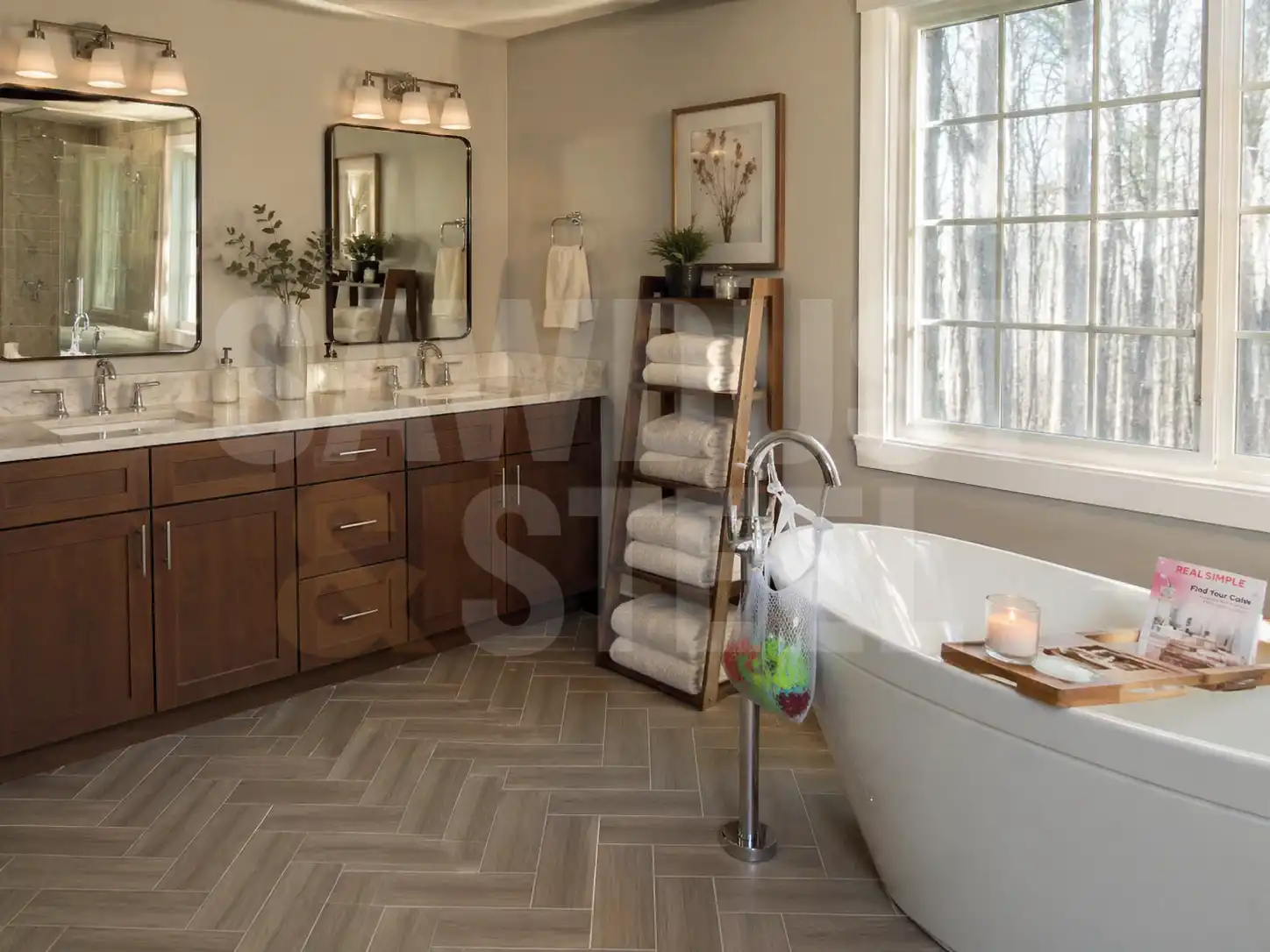
Tile, waterproofing, drains, trims, and setting materials need to form a compatible system. Choose vanity storage, lighting, fixtures, and ventilation around daily use and maintenance. Put the exact products and finish responsibilities in the quote, including any niches, benches, or fitted cabinetry.
A properly specified and installed waterproofing system, including its seams, corners, penetrations, drain connection, and required testing. Tile and grout are the finish surface; they do not replace that system.
Often, but drainage, floor structure, waterproofing, ventilation, and the available access space need review. A curbed and a curbless design can have different requirements.
Begin with the user’s present and likely future needs. Discuss access, support, seating, controls, lighting, and slip resistance with the designer and, where helpful, an occupational therapist. Avoid applying one set of dimensions to every person.
The scope, inspections, product delivery, waterproofing and setting-material cure times all affect the schedule. Tell us if this is your only bathroom so the household plan is part of the conversation from the start.
Identify and resolve the moisture source before covering it. The extent of damage determines whether specialist assessment or remediation is needed and what material can remain.
Keeping the layout can leave more of the budget for finishes. See how plumbing moves, shower details, and existing damage affect the total.
Read the guide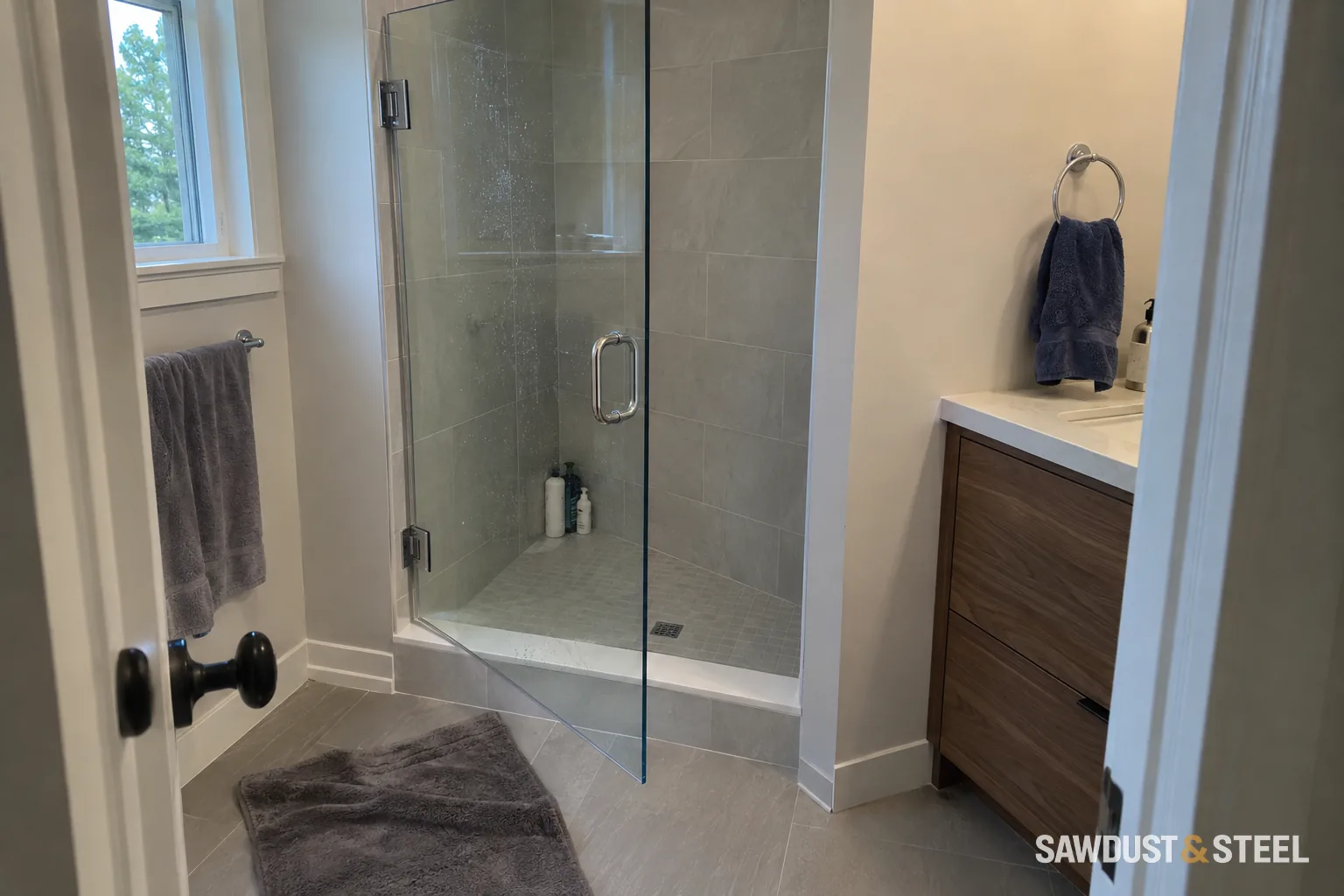
All three names can describe legitimate waterproofing work. The useful question is whether the whole assembly fits the shower and follows one current specification.
Read the guide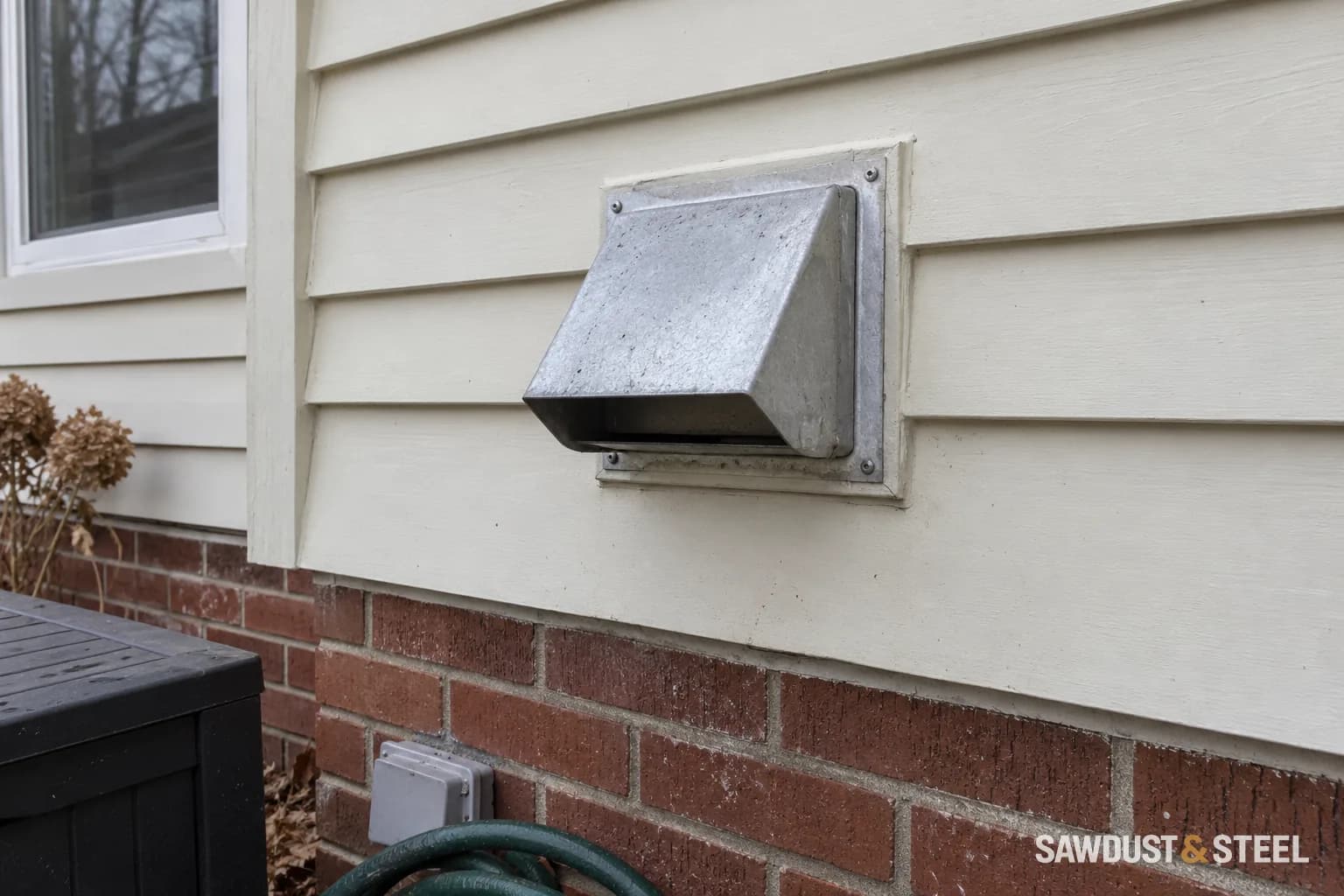
A bathroom fan needs a clear duct route outdoors. Check sizing, duct insulation, controls, and delivered airflow before replacing the unit.
Read the guidePlan an Ontario bathroom around daily use, waterproofing, ventilation, and the right sequence. Compare layouts and details before committing to finishes.