
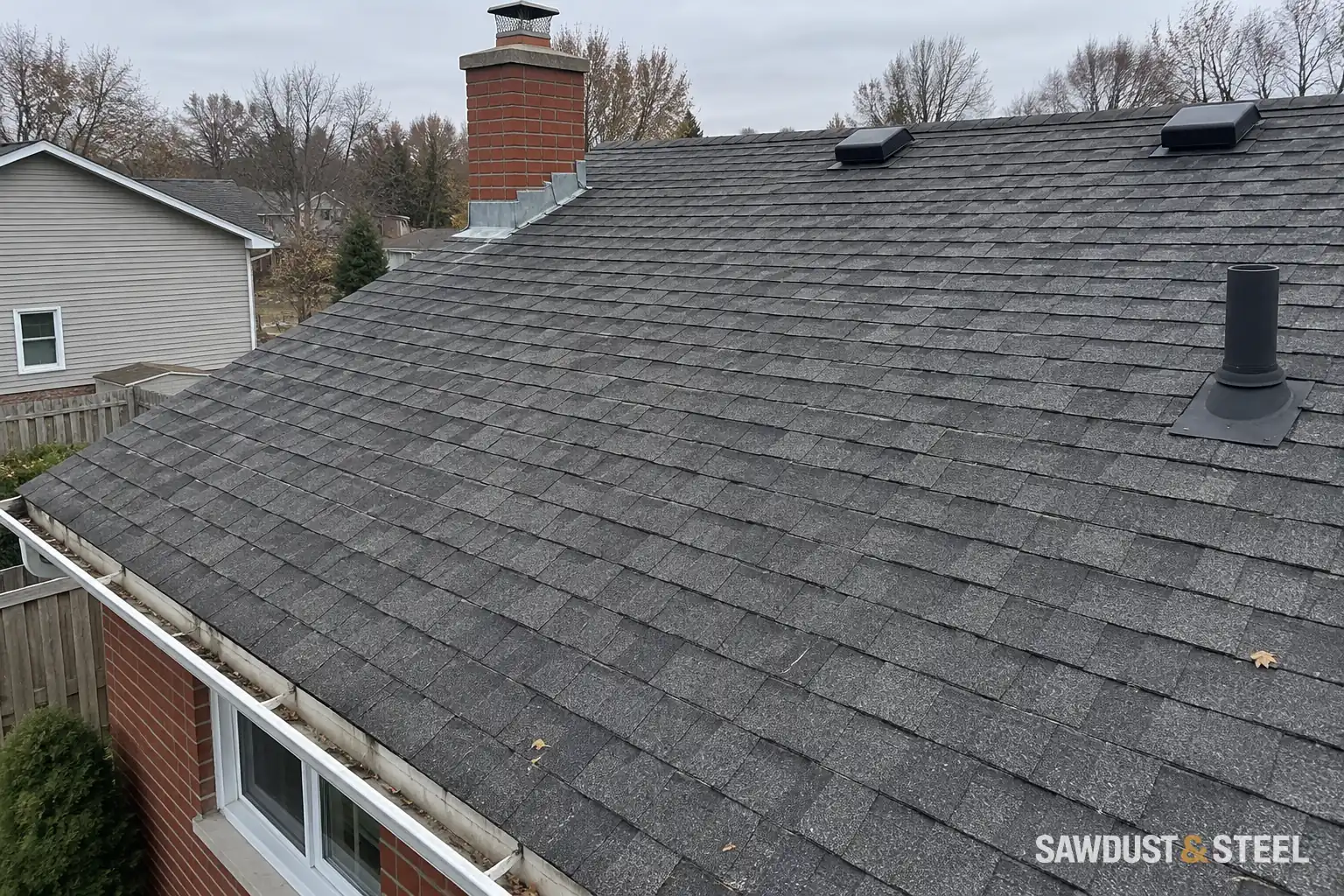
Roofs, walls & weather7 min read
Signs Your Roof Needs an Inspection in Ontario
Read roof warning signs, decide what needs prompt attention before winter, and compare a documented repair with full replacement.
Read the guideRoofing, siding, flashing, and drainage. Find the cause, choose the right scope, and protect the house.
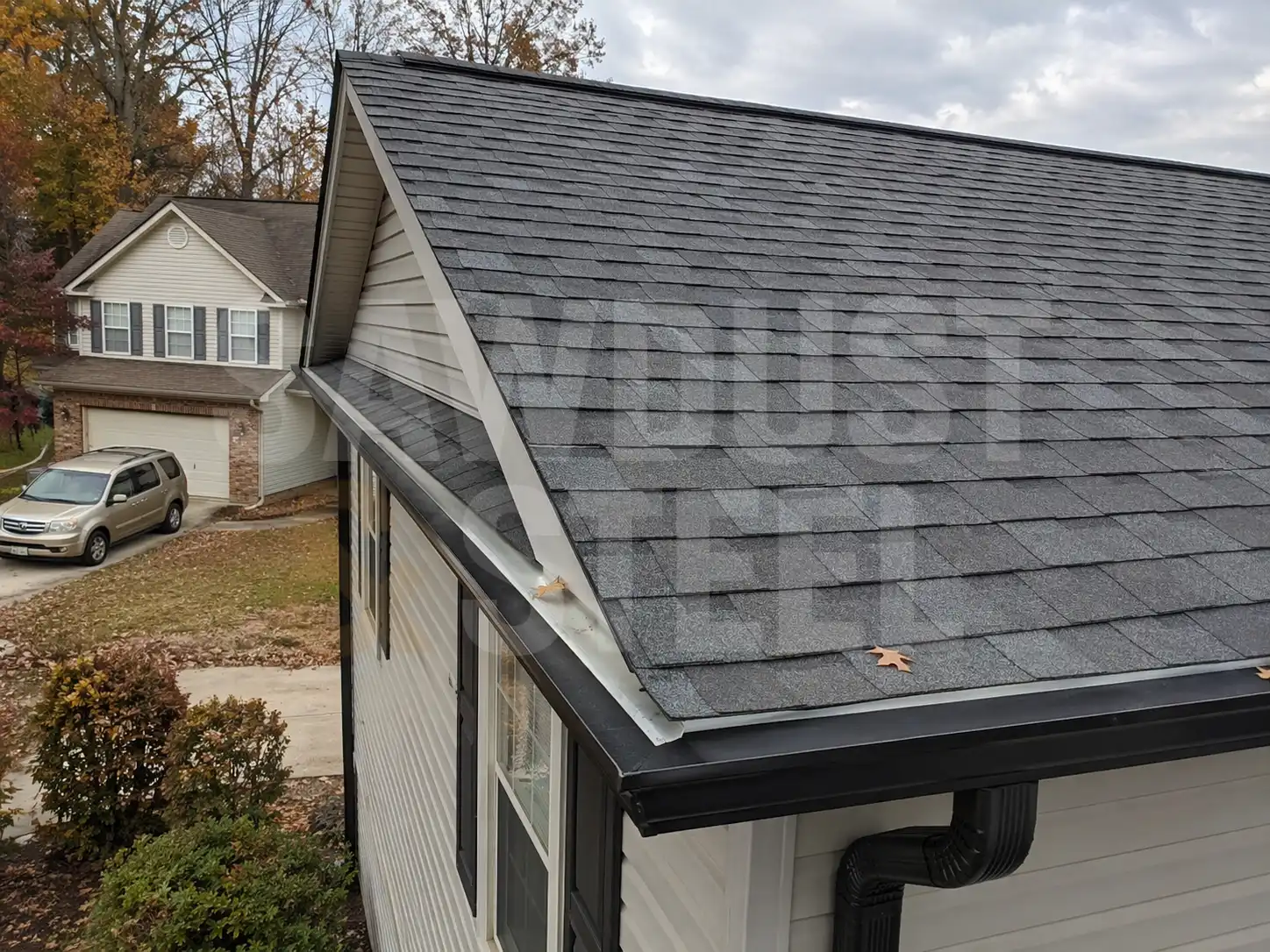
A leak or loose panel is easier to deal with when you know what caused it. We work on roofing, siding, and the details where water can enter, from flashings and roof edges to soffits and gutters. Start with the signs to record safely, then discuss a repair or replacement scope.
Roofing and siding protect several layers you cannot see from the driveway. A useful assessment considers the finish material, flashings, underlying surfaces, drainage, and any related attic or wall moisture.
A local repair can make sense when the defect is contained and the surrounding system is serviceable. Widespread wear or concealed damage may require a larger scope. The roof quote guide shows what to compare.
When replacing a roof, agree how existing layers will be removed, how the deck will be inspected, and how any approved repairs will be priced. Specify the complete product system and its installation requirements.
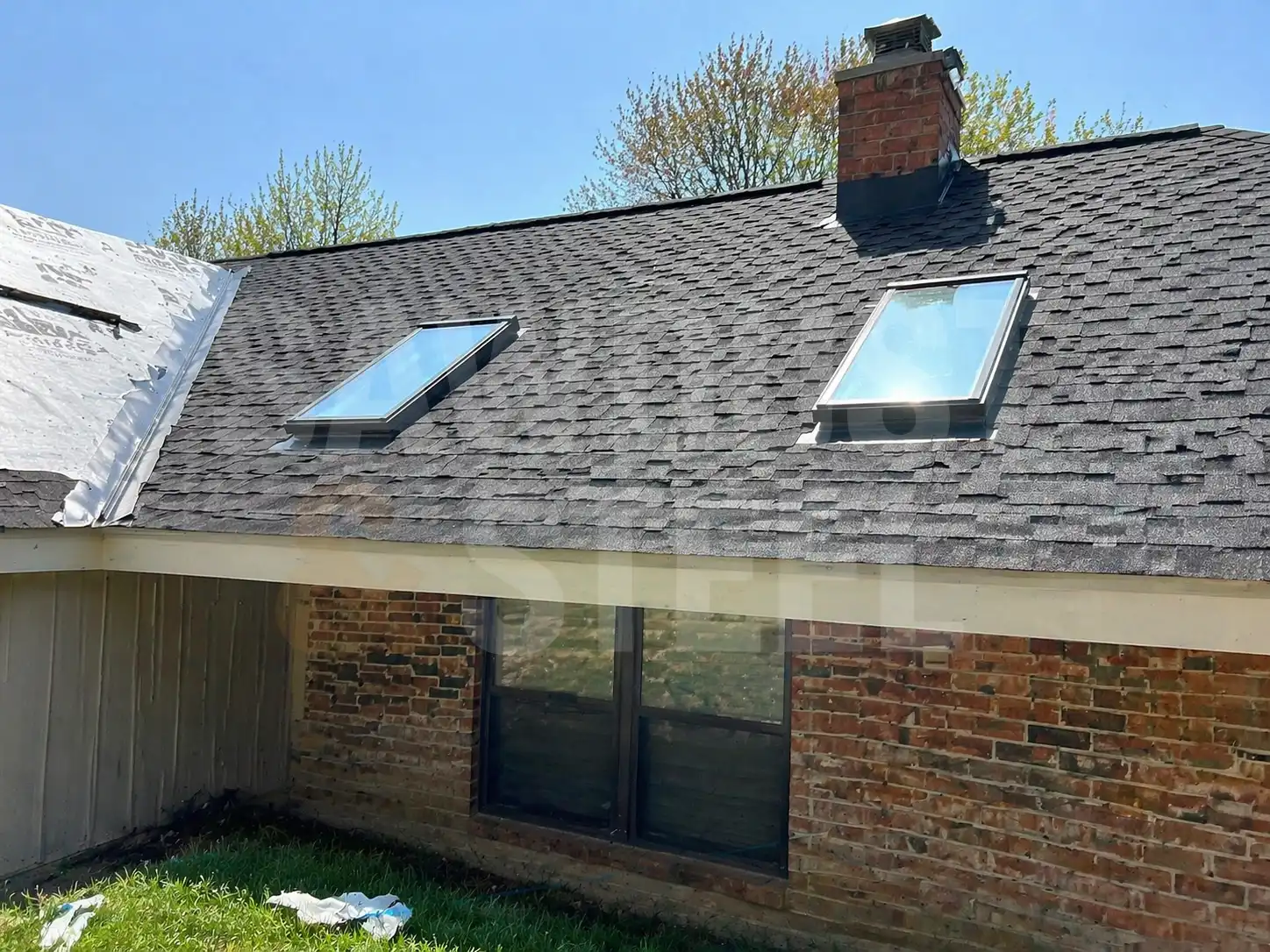
Owen noticed the stain after a windy night. A damaged roof detail looked like the obvious explanation, and it did need attention. But the attic review also found a separate moisture issue around an exhaust route. Fixing the visible roofing alone would have left part of the problem behind.
The repair scope separated the two causes: exterior water management and the exhaust connection. Photographs recorded the observed conditions, and any area that needed opening was identified before the permanent work was priced.
Owen’s first instinct was to repaint the ceiling that weekend. He waited until the sources had been addressed and the material was ready for finishing. It cost him a few more weeks of looking at the stain, which was less aggravating than painting it twice.
The useful handover was a short set of labelled photos and a clear explanation of what had changed. He knew which detail had been repaired and what to watch during the next wet spell.
“I wanted the stain gone. What I needed was to know why it was there.”
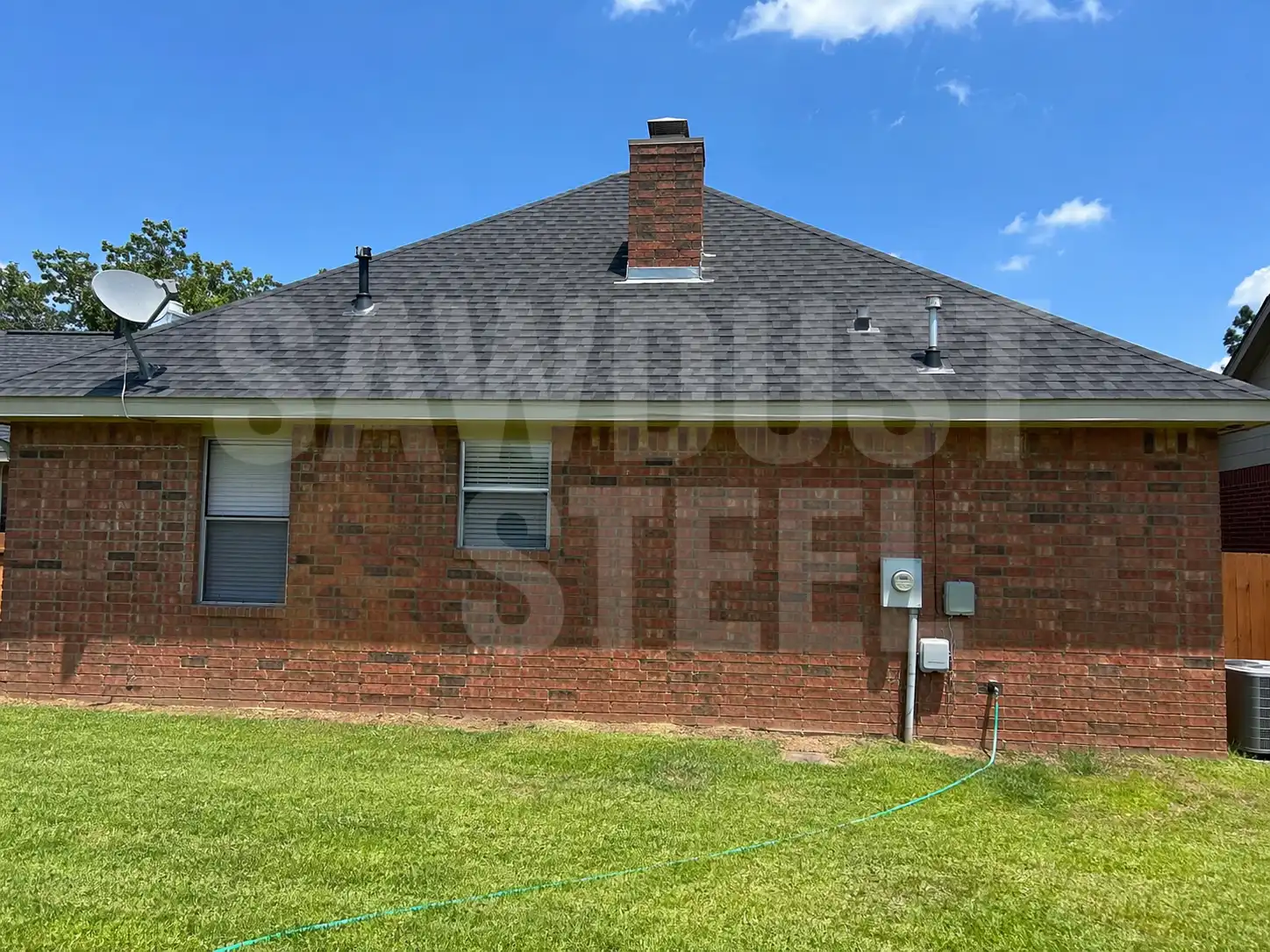
Roof imagery can show visible damage and help document areas that are difficult to access. It cannot confirm concealed rot or replace every hands-on inspection. Ask what the survey can establish, what remains uncertain, and whether the insurer needs additional evidence.
At a roof-to-wall junction, flashing works with the roof covering and wall detail to direct water back outside. Step flashing and counter-flashing have distinct roles. The exact assembly depends on the roof, wall, and product instructions; a surface bead of sealant cannot replace missing layers.
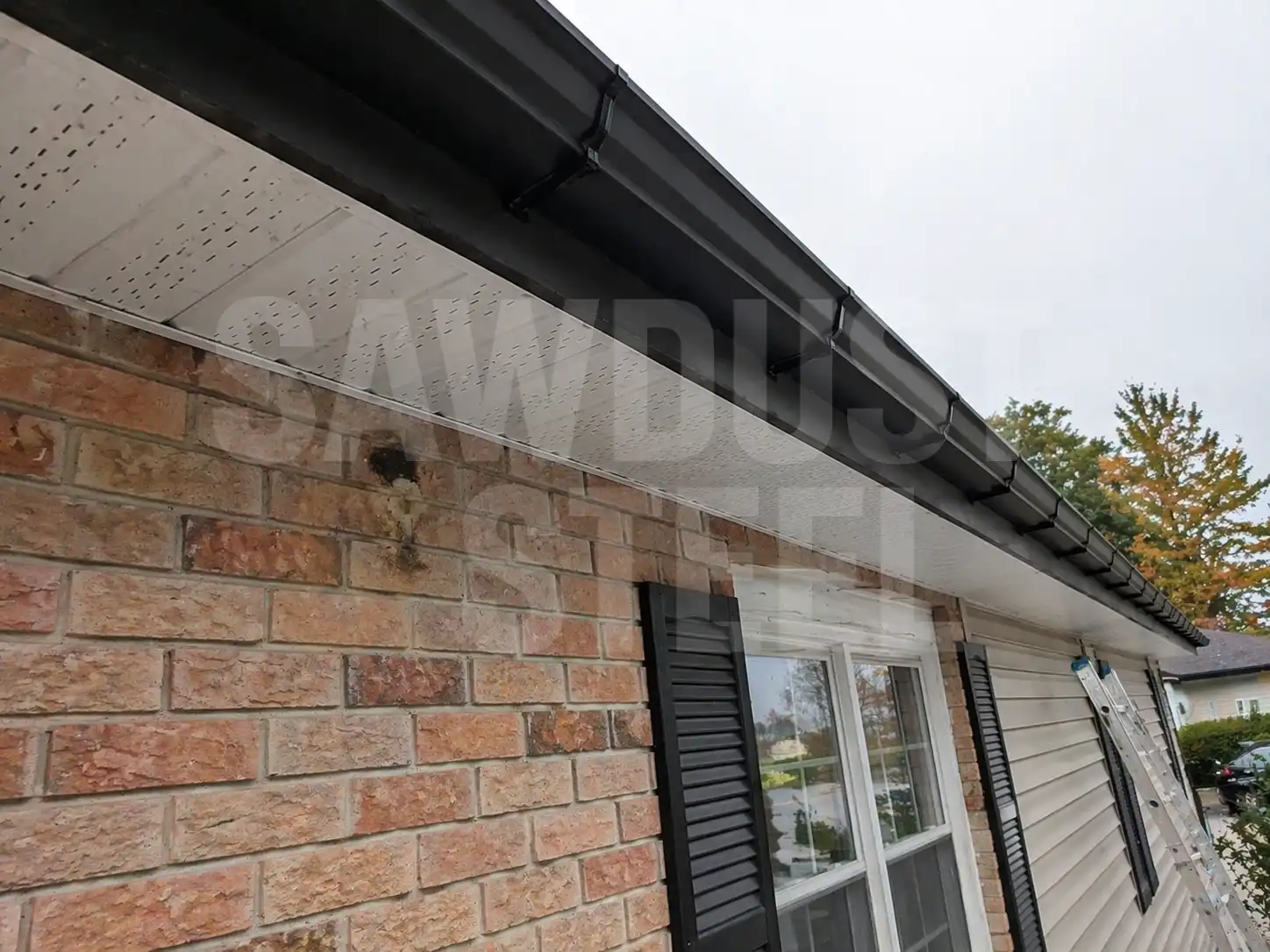
Ice dams can involve heat escaping into the attic, insulation gaps, ventilation, and changing weather. Eave protection helps manage backed-up water, but it does not resolve every cause. Review the whole attic and roof assembly before choosing the repair.
Asphalt, cedar, and metal roofing; vinyl and fibre-cement siding; soffit, fascia, gutters, downspouts, flashing repairs, and roof documentation. Compare roof materials or send photos of the issue so we can discuss the appropriate next step.
Agree on roof access, protection for the house and garden, debris handling, and final cleanup before work starts. Send photos of the driveway and side access along with the roof concern.
Measured roof area, pitch, access, existing layers, flashing, deck condition, ventilation work, and the selected product system. Ask for the same scope from each bidder and a stated process for concealed repairs.
It can document visible exterior conditions. Confirm the insurer’s requirements and what the survey includes. Flight access and weather affect what can be captured, and the insurer decides coverage.
Removal exposes the roof deck and details that an overlay would conceal. The accepted design and exact manufacturer instructions determine the suitable assembly and warranty conditions.
Roof size, access, repairs, material, and weather determine the schedule. Agree on daily protection and the conditions that stop work so the house remains protected while the job is underway.
Read roof warning signs, decide what needs prompt attention before winter, and compare a documented repair with full replacement.
Read the guideCompare GTA roof replacement quotes by measured scope, deck-repair rates, flashing decisions and written changes instead of unsupported average prices.
Read the guide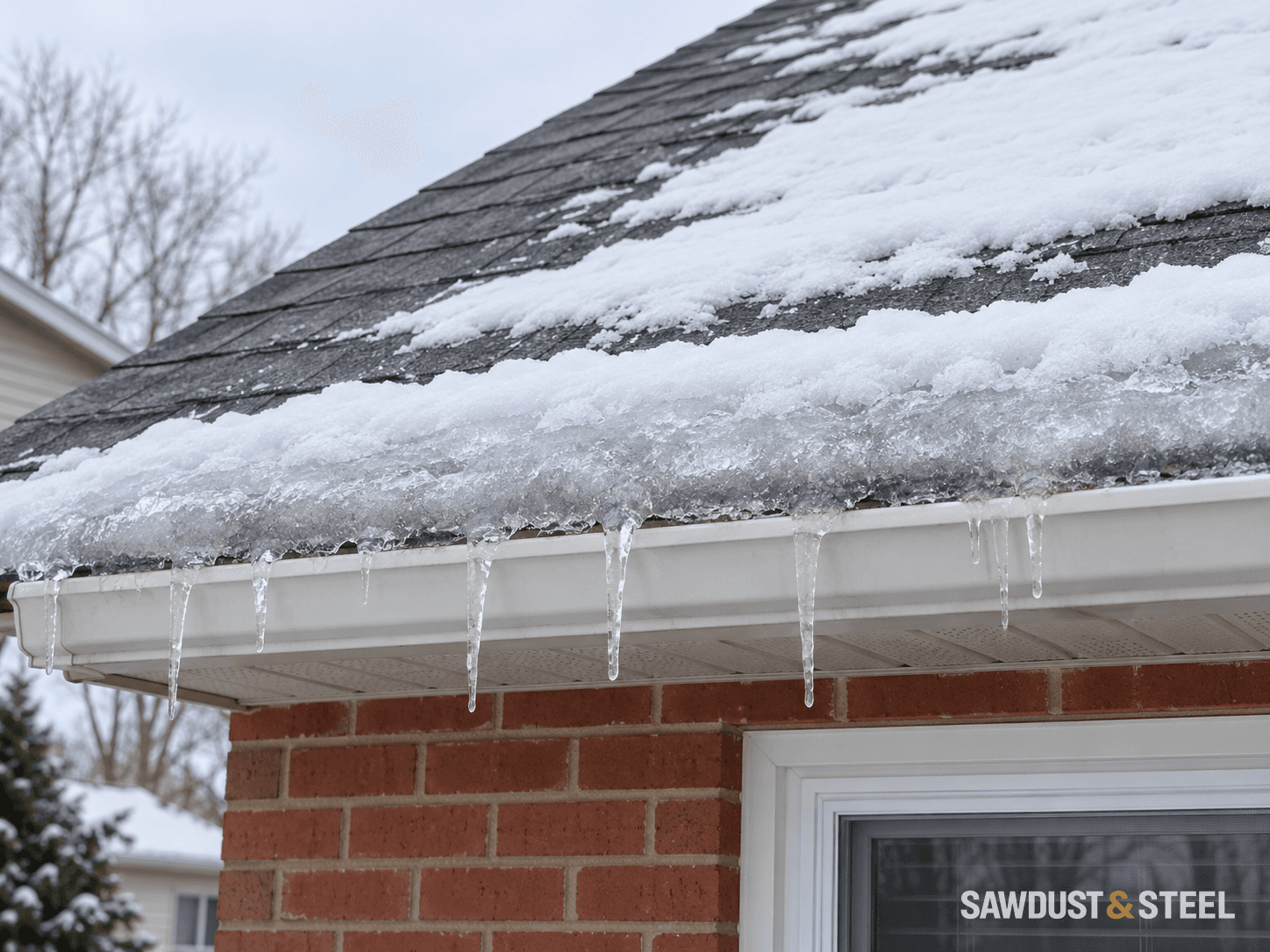
An ice dam is the roof's visible complaint, not usually the root cause. Trace the heat path through the attic, then fix the assembly in the right order.
Read the guideFollow water, air, and heat through an Ontario home. Practical guides to roof repairs, siding, gutters, attic ventilation, and insulation.