
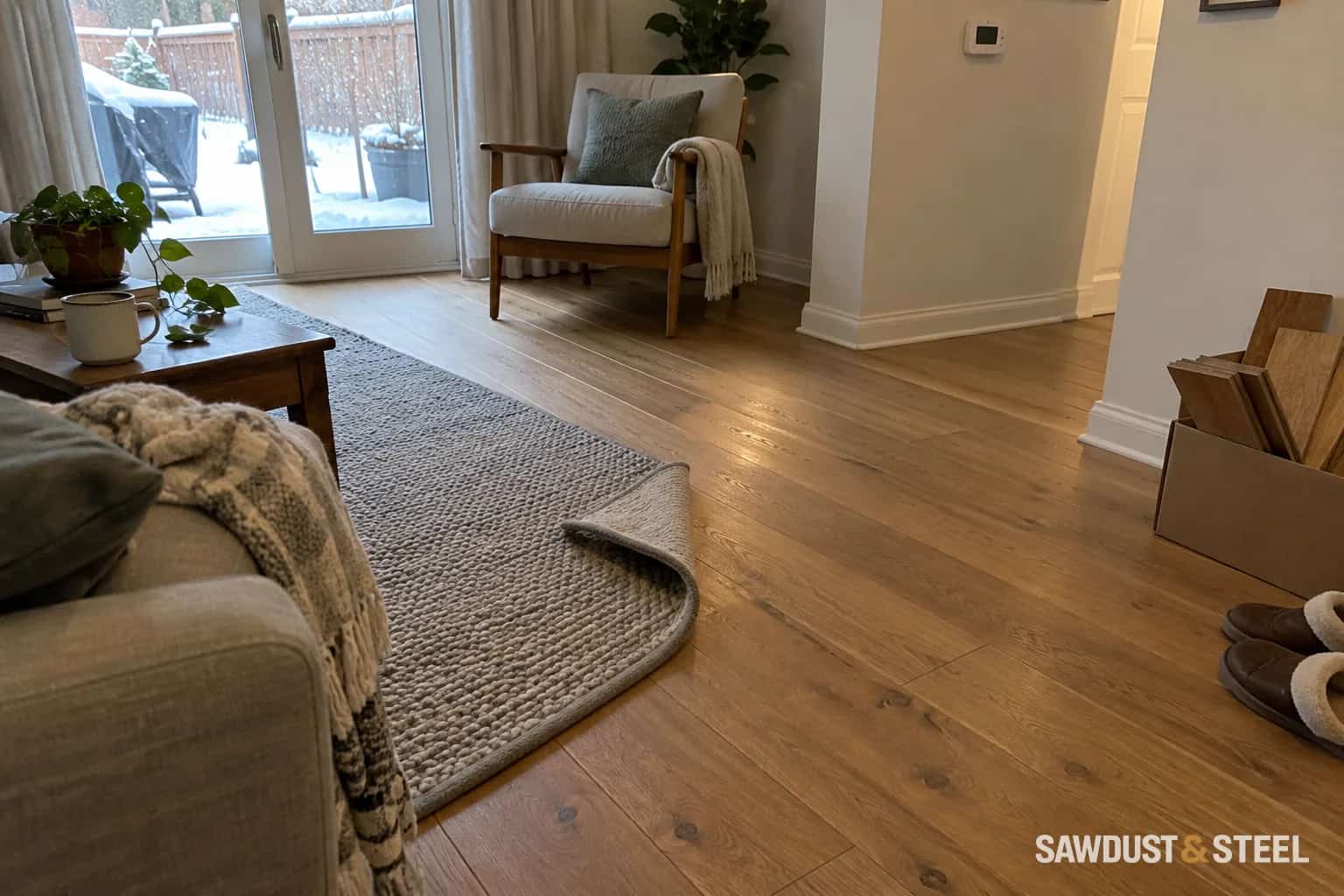
The floor was meant to feel clean, not make a small announcement every time your sock leaves it. Repeated mopping can keep spreading residue when the product, dose or pad is the problem. Before mixing another bucket, line up the bottles that have touched the floor.
Make a short product history
Write down the floor manufacturer, product code and finish if known. Then list cleaners, disinfectants, polish, refresh products and home-made mixtures used recently. Note whether the stickiness followed one new bottle, a concentration change or a fresh application of a shine product.
Take photographs of the labels. A refill bottle can look almost identical to a concentrate, and a floor polish can sit beside a cleaner in the same shop. If someone else normally cleans, ask them directly rather than reconstructing the routine from the cupboard. This is practical detective work, with fewer glamorous disguises.
Cleaner and coating are different jobs
A cleaner is intended to remove soil. A polish or refresh product may leave an intentional layer and require a separate preparation or removal process. Applying more cleaner over a poorly applied coating may not address the coating itself. Do not keep adding shine products to conceal a sticky film.
Bona's care FAQ gives finish-specific cleaner suitability and separate mop-pad care instructions. Identify the actual product and finish before borrowing a method. A cleaner suited to a polyurethane wood floor is not automatically suitable for an oiled floor or every resilient finish.
| Clue | Useful check |
|---|---|
| Started with a new bottle | Ready-to-use versus concentrate; cleaner versus coating. |
| Worse after each pass | Dose, dirty pad and redistribution of residue. |
| Only one recently polished room | Product preparation, application and removal instructions. |
| Soft or transferring finish | Stop cleaning trials and obtain a coating assessment. |
Check dose and equipment first
Read whether the product is ready to use or requires dilution. Measure the specified amount rather than adding a reassuring extra splash. Start with a clean pad and replace or rinse it as instructed when it becomes dirty. A pad that has collected a whole kitchen's residue should not be expected to leave the hallway spotless.
Mannington's resilient-care guidance notes that excess cleaning solution and unsuitable soap products can leave a dulling film. Its particular cleaning directions belong to the listed floors. Do not transfer its chemistry to wood or another vinyl product.
Try one controlled patch
Ask the flooring or finish maker how to remove the suspected residue, including whether rinsing is required and how much moisture is acceptable. Work on a small discreet area with one approved method. Keep the rest untreated so you can compare after both areas are dry.
Do not combine cleaners or add a household acid to neutralize an unknown film. Avoid flooding seams, and do not reach for a steam cleaner to force the issue. Heat and moisture compatibility remains relevant even when the floor is frustratingly sticky.
Recognize when this is more than residue
If the finish is soft, transfers to the cloth, changes colour or remains tacky after the approved cleaning procedure, stop. The coating itself may need assessment. A newly coated floor also needs the maker's drying, cure and cleaning restrictions; dry to touch does not necessarily mean ready for wet maintenance.
For example, a room cleaned with an ordinary maintenance spray and a clean pad is a different case from one treated with several layers of a shine product last weekend. Give the supplier that history before accepting a stripping procedure. Removing a coating is more consequential than changing a mop pad.
Keep the routine simple afterward
Once the surface is sound and clean, use the approved product at its stated dose and maintain the pad according to its instructions. Store the cleaner separately from polishes or specialist treatments. Keep a small note with the floor records so a future household helper does not unknowingly restart the cycle.
If stickiness is confined beneath a mat, check backing compatibility too. If the issue is loss of sheen on wood rather than residue, recoating versus refinishing addresses the separate finish-restoration choice.