
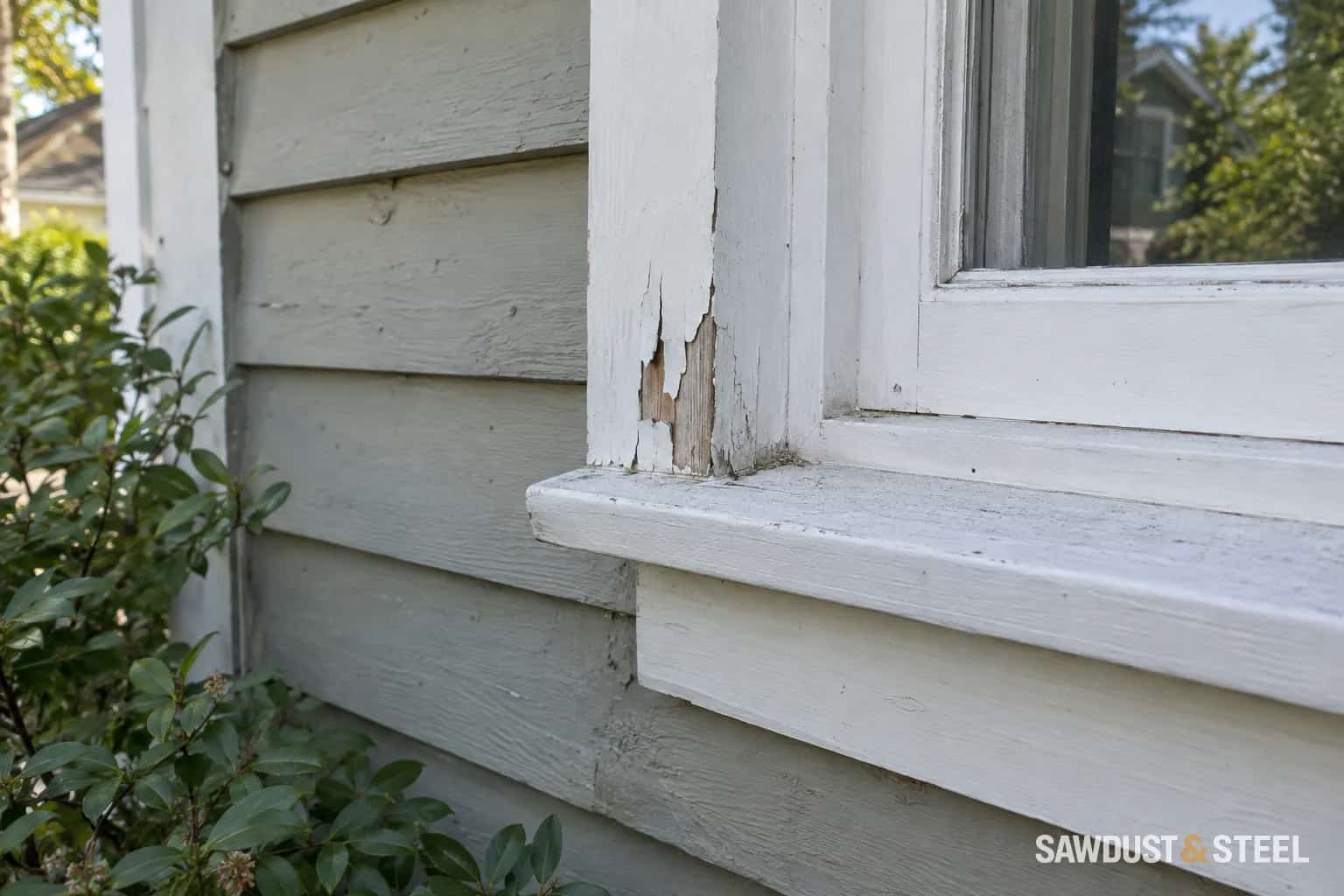
The old sash has a lovely narrow profile and an impressive talent for rattling on windy nights. That does not automatically make it a replacement job. First separate a worn seal or faulty latch from decayed timber, distorted framing and water entering around the opening.
A storm window adds another glazed layer inside or outside the existing window. It is worth considering when the original assembly is a useful thing to keep, not simply because throwing it away feels wasteful.
Assess the original before selecting its partner
Have the sash, frame, sill, glazing and hardware inspected. Note whether the window operates safely, closes squarely and sheds water. A storm unit cannot restore rotten support or repair a leak behind exterior trim. Photograph each opening and give it an individual condition note instead of assuming every window in the house deserves the same treatment.
NRCan describes repair, weatherstripping, additional glazing and replacement as different upgrade paths. Its storm-window guidance includes interior and exterior systems and seasonal or permanent arrangements. The choice therefore includes a maintenance routine as well as a product.
Compare completed work, not boxes
Ask for a retain-and-upgrade quote that lists repairs, weatherstripping, storm units, installation and finish work. Compare it with a replacement quote identifying exactly which old components remain. The insert versus full-frame guide helps prevent two differently sized projects appearing interchangeable on the last line.
| Scope | Strong reason to consider it | What remains to check |
|---|---|---|
| Repair plus storm | Sound original frame and valuable appearance | Seasonal handling, drainage and original sash condition |
| Insert replacement | Suitable retained frame with new operating/glazed unit | Reduced opening and condition of retained material |
| Full-frame replacement | Frame or wall connection needs substantial work | Interior/exterior restoration and complete water-management detail |
An upstairs window which nobody opens may seem easy to cover permanently until the household needs cleaning access or ventilation. Confirm any required escape opening and other regulated functions with the proposed installation. A seasonal panel must not obstruct a required exit. Ask about heritage approvals before changing the exterior appearance of a designated property.
Try the ordinary tasks
At a demonstration unit, open the sash, reach the lock, remove the screen and work through cleaning. If an interior panel is removable, find out where it will be stored and how heavy it is. A panel that needs two people to handle should not be sold as a five-minute solo spring chore.
For an exterior system, ask how drainage remains open and how the outer glazing is cleaned. Weatherstripping the original inner window and detailing the storm are connected tasks. Do not seal every visible hole around an existing storm in the hope of eliminating drafts; some openings may have a drainage function. Have the actual assembly identified first.
Keep condensation evidence specific
Moisture on the room-side glass, between an original sash and a storm, and inside a sealed insulating-glass unit are different observations. Record where you can wipe it away safely and when it appears. The fogged-pane guide covers sealed-unit failure rather than treating every cloudy window as the same fault.
A new, tighter arrangement can change indoor conditions. Include ventilation and humidity in the follow-up conversation if condensation persists. The installation should have a clear service route for removing a panel or reaching a latch; a decorative bead which permanently blocks that route can turn a small adjustment into finish damage.
Ask for comparable performance information
Where rated products are being compared, use whole-product figures in consistent units. NRCan's ratings guide distinguishes whole-window performance from centre-of-glass values. Do not compare an isolated glass claim for one option with a complete-window rating for another and call the difference a guaranteed energy saving.
For an older room, comfort and usable appearance may matter as much as a calculated annual saving. Decide which result you are buying: less draft, warmer glass, easier operation, reduced maintenance or preservation of original detailing. A quote should say which existing defects it will correct and which remain.
Start with the window that teaches you something
If the project can be staged, consider a representative troublesome opening rather than replacing every unit before testing the proposed approach. Choose one with the same construction as the others, not the easy little window in a sheltered laundry room. Live with opening, cleaning and the view before extending the decision.
Keep repair materials, finishes and product records by opening. A successful retained window should feel useful on a windy evening and manageable on cleaning day. Its history is a benefit only if the next owner can still operate it.