
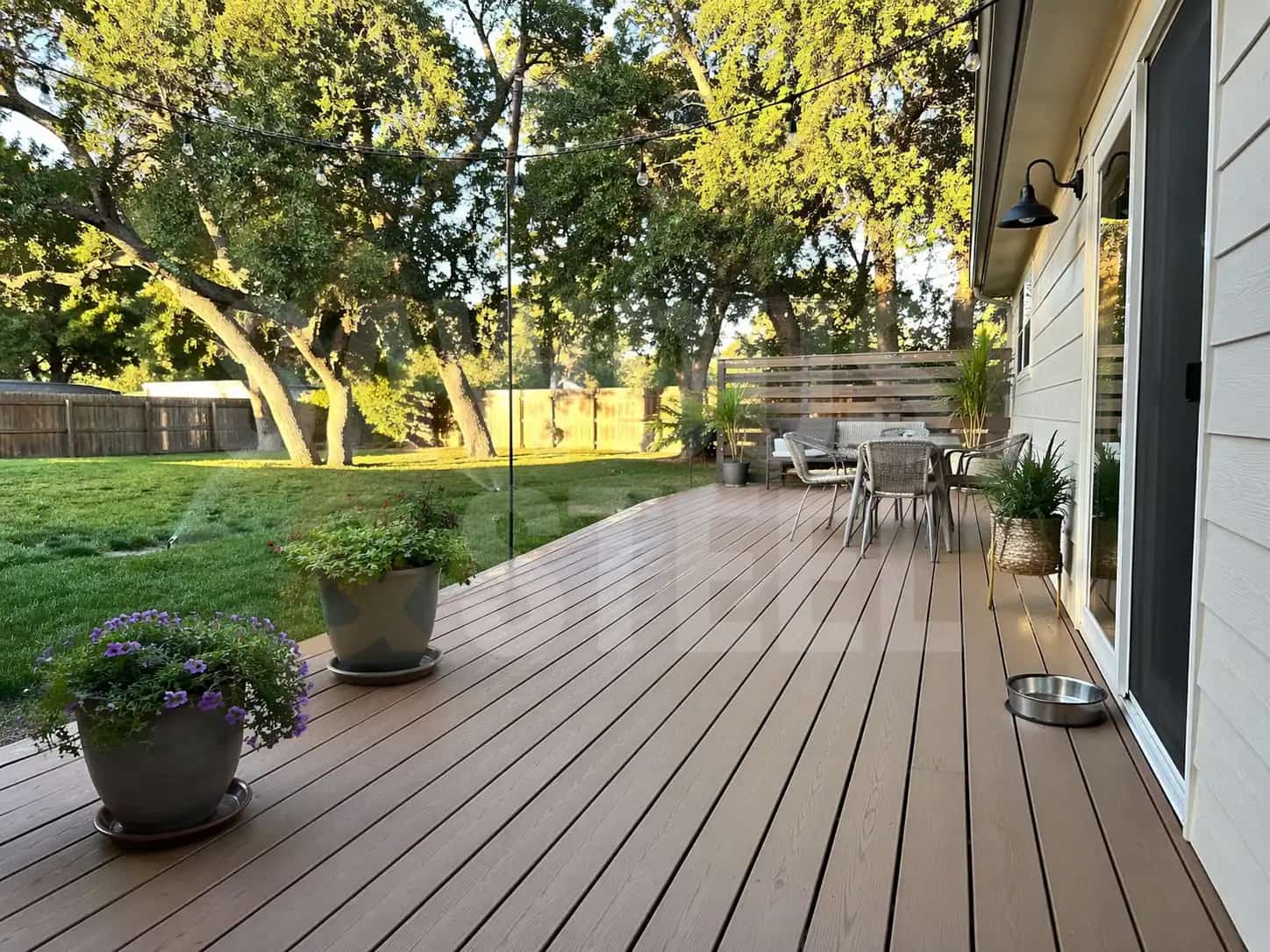
You cross the deck, reach for the metal door handle and get a sharp little snap. It happens again on another dry afternoon, then disappears when the weather changes. That pattern can fit static electricity, but the location of a shock matters as much as the sensation.
Separate a walking-related snap from a possible fault
Static can accumulate as shoes and clothing move across a surface, then discharge when you touch a conductor. A single snap after walking in dry conditions differs from persistent tingling at one fixture. Neither the material name nor the fact that the sensation is brief proves the cause.
Ontario's Electrical Safety Authority advice on preventing shocks is the appropriate starting point if electrical equipment, wiring or a fault may be involved. Do not repeatedly touch a railing, light, receptacle or appliance to reproduce the symptom. Keep others away and arrange assessment by a Licensed Electrical Contractor when a fault is suspected.
| Observed pattern | Useful next step |
|---|---|
| Brief snap after walking on a dry deck, then touching metal | Check the decking maker's static guidance and note weather and footwear. |
| Repeated tingling while touching an object | Stop using the affected area and investigate a possible electrical fault. |
| Shock near lights, outlets, pumps or plugged-in equipment | Treat electrical equipment as a possible source; do not experiment. |
| Shock in wet conditions or a changing pattern | Do not assume ordinary static explains it. |
Check the product's own care advice
Trex's care guide describes static in dry, windy or dusty conditions and identifies particular antistatic products it has tested. This is useful evidence for Trex decking, not permission to spray any antistatic cleaner onto any composite brand.
Find the product range and generation, then ask its maker which treatment, if any, is approved. Confirm compatibility with nearby railings, metalwork, finishes and plants. Read the treatment label for application, drying and handling instructions. Do not mix products or improvise with household fabric softener.
A manufacturer-approved treatment may need renewal after rain or washing; that does not mean a permanent defect has returned. Follow the published guidance rather than repeatedly applying more whenever someone reports a snap. Keep a small record of the product used and the conditions when the symptom occurs.
Use observations that do not require another shock
- Note whether the reports occur only after walking across the deck.
- Record dry, windy or dusty weather and whether recent washing changed the pattern.
- Identify shoes, mats and other contact materials without asking anyone to reproduce the shock.
- List nearby electrical equipment for the electrician if there is any uncertainty about the source.
Cleaning approved by the decking manufacturer may remove dust and contamination, but hosing the area down to test an electrical symptom is a bad experiment. Water changes the risk around electrical equipment. Likewise, do not attach a DIY grounding wire to the deck, railing or house as a general cure.
Avoid trading a small annoyance for surface damage
The surface remains the same product after an antistatic treatment. Abrasive sanding, heat and unapproved chemicals can still damage it. If the deck also has scuffs, handle those through the separate composite scratch assessment, rather than expecting one treatment to solve both problems.
For a supplier enquiry, send the deck identity, approved cleaning history and a description of the pattern. For a suspected electrical problem, contact the electrician first. That division keeps a fairly ordinary dry-weather annoyance from masking a fault that needs a different professional.