
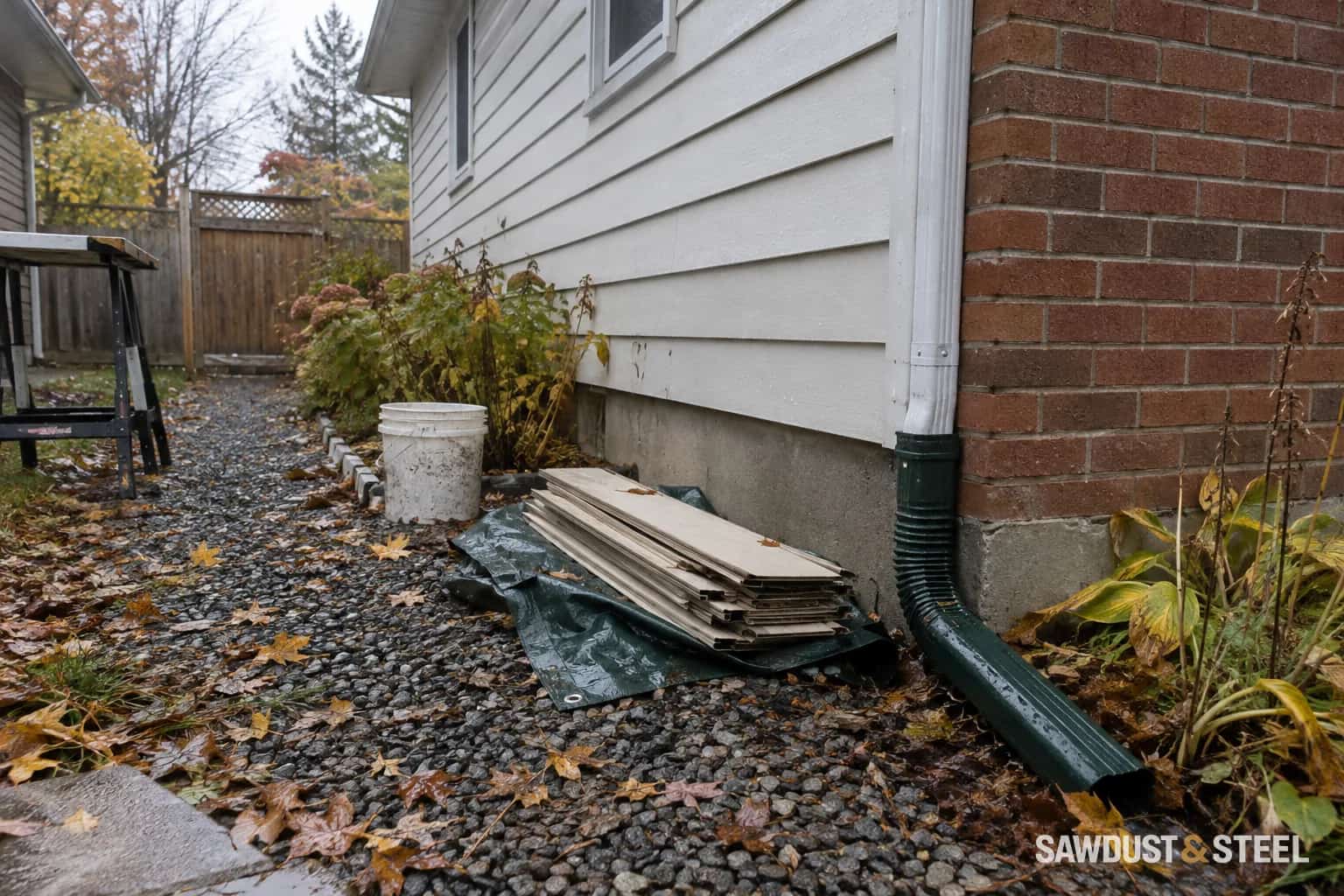
The roof is new. You would quite reasonably prefer it to remain on the roof. So a little collection of shingle-coloured grit beside the downspout can feel like a bad review arriving unusually early.
Some new-roof shedding has an ordinary explanation
GAF’s technical bulletin on new-shingle granule loss explains that excess manufacturing granules can release after installation. This is generally most noticeable early and reduces with time. The same bulletin calls for follow-up where loss remains significant, colour changes develop, or other damage appears.
That explanation is useful context, not a remote diagnosis of your roof. It does not make every bare patch normal, and it does not establish what happened to a different manufacturer’s product. Ask the installer about the actual shingles and the observed condition.
Record a pattern, not just one handful
| Record | Why it helps |
|---|---|
| Installation date and shingle product | Separates a recent installation from an ageing roof. |
| Which downspout or area collects grit | Helps identify the roof area to inspect. |
| Dates, weather, and photographs | Shows whether the pattern is reducing or recurring. |
| Any visible changes or indoor leaks | Flags concerns beyond loose material in a gutter. |
An old gutter can also contain debris that predates the new roof. Ask whether the gutters were cleared as part of the roofing work. Arrange safe cleaning when needed, then record later accumulation from a known starting point.
Let the roofer inspect the surface
You do not need to climb onto the roof or rub the shingles to test them. Ask for photographs of any suspect areas and a written explanation of what the installer finds. A ground-level photo of grit cannot show whether the shingle surface remains adequately covered.
GAF’s storm-damage guidance includes missing granules among potential damage signs and explains the limits of a ground-level inspection. If the change followed a storm, include that timing when you request the assessment.
Do not wait on an active leak
A leak, exposed-looking area, damaged shingle, or sudden change deserves prompt attention regardless of the roof’s age. For a new roof with only light initial shedding, ask the installer what observation period and follow-up are appropriate for that product. Keep the response with the invoice and warranty information.
- Keep the product name, colour, installation date, and contractor details.
- Ask whether the concern is installation-related, product-related, or still undetermined.
- Have any proposed repair described before it is carried out.
- Follow the manufacturer’s claim process if the assessment identifies a possible product issue.
Do not brush, pressure-wash, or coat the roof to make the loose granules disappear. The goal is to understand the surface and keep the drainage working, not to give the shingles an unsolicited exfoliation.