
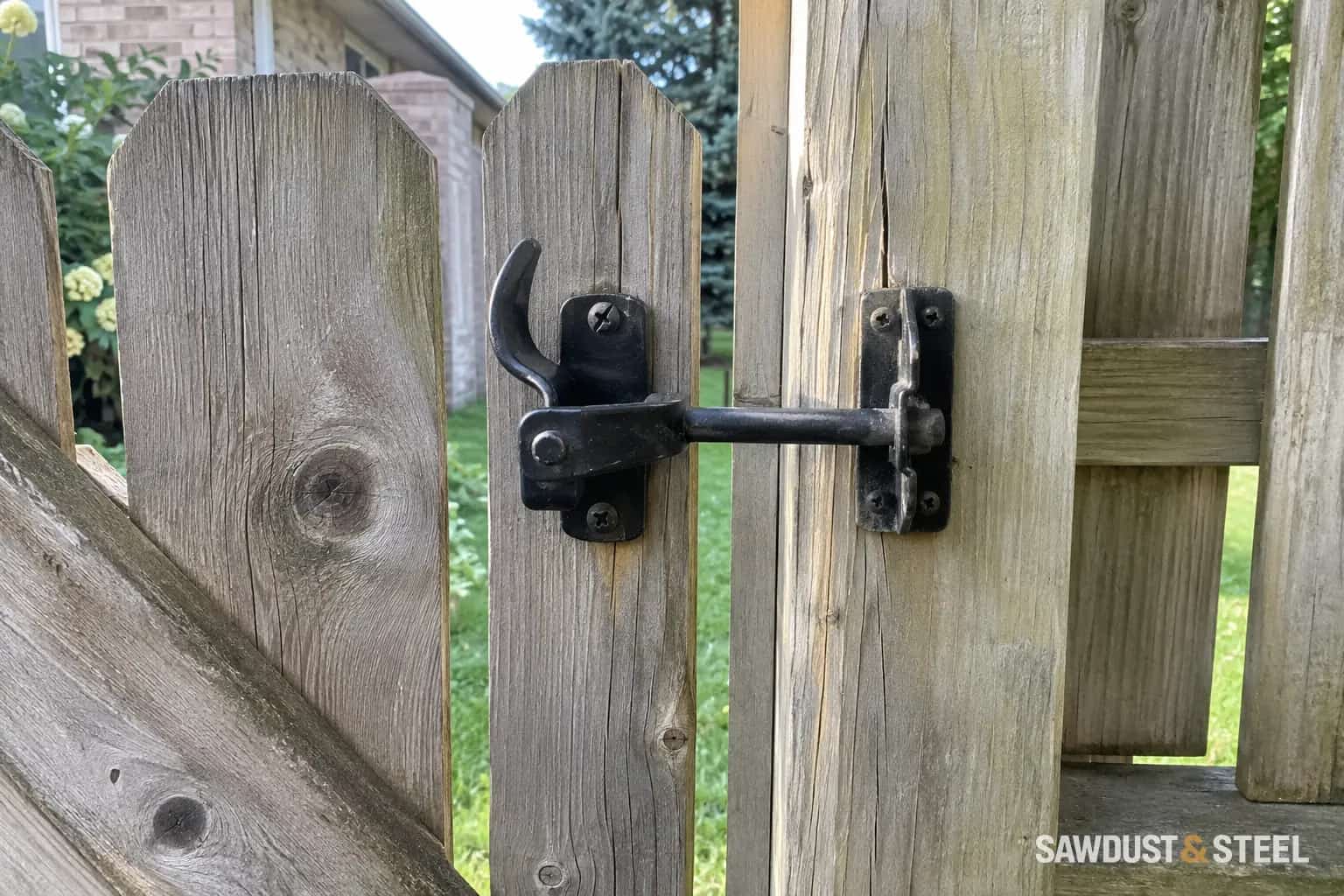
Test the whole closing action
Watch the gate through its full movement. Does it drag on paving, stop against the post, reach the latch but bounce back, or close without engaging the catch? Look for an object propping it open, loose fixings and a shifted post. Keep children away during testing. A loud click is not enough: verify the latch has actually engaged using the hardware maker's check procedure.
Stops during swing
Look for dragging, binding or obstruction.
Reaches catch but misses
Inspect latch alignment and post movement.
Closes without securing
Remove reliance on it until the latch works.
Fix the obstruction before increasing force
Increasing spring tension can mask rubbing and make a gate slam. Resolve alignment, obstruction and worn components first. Use instructions for the exact hinge generation; adjustment points and allowed settings differ. If the gate has distorted or the support post moves, have the structure repaired rather than asking the closer to bend everything into place.
For a double-leaf enclosure, Double Gates Need a Plan for the Ground Bolts explains the additional ground-level coordination.
Treat hardware replacement as an enclosure decision
Confirm the current municipal requirements and the enclosure's approval before changing latch type, height, opening direction or gate configuration. A package marked pool hardware does not certify the entire fence. Retest after servicing, after noticeable ground movement and when the gate begins behaving differently. A remembered successful test from early summer is not evidence that it still closes in October.
Toronto requires pool gates to be self-closing, self-latching and locked except when the pool area is in use. D&D directs owners to model-specific adjustment instructions. City of Toronto: fences.
Before you finish
- Keep pool access secured during a fault or repair.
- Test actual latch engagement, not just closing noise.
- Confirm replacements with the municipal enclosure requirements.