
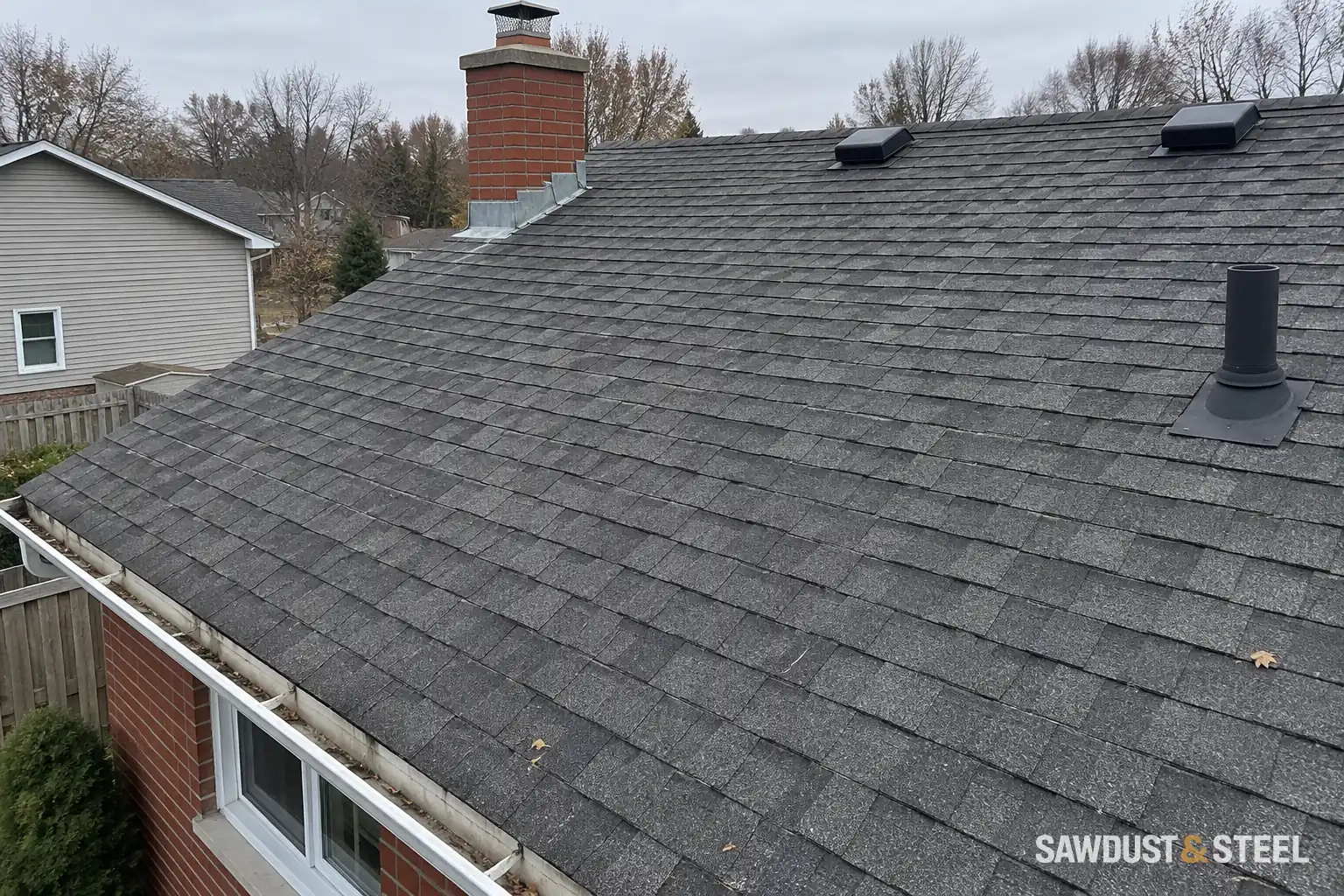
The solar installer has an opening next month. Your roofer thinks the shingles may need attention soon. Before you race for the installation slot, put both scopes on the table and ask who would remove and reinstall the panels if the roof needed work later.
Compare the roof and solar schedules
The US Department of Energy's homeowner guide identifies roof age and replacement timing as planning considerations. That physical issue applies here too; US incentive and permitting information does not establish Ontario requirements. Obtain a roof-condition assessment rather than deciding from age alone.
Compare three sequences with actual scopes
| Sequence | What to price | What to verify |
|---|---|---|
| Keep roof; add solar | Current repairs and future panel removal/reinstallation | Condition beneath array and responsibilities if roofing comes sooner |
| Roof first; solar second | Roof assembly and coordinated attachment details | Handover between roofer and solar installer |
| Defer solar while investigating | Assessment and any temporary roof work | What evidence is needed before committing to equipment |
Ask for a roof assessment identifying observed condition, repair needs and areas that remain uncertain. A warranty term is not a remaining-life estimate. If the roofer gives a service expectation, record the assumptions and limitations rather than turning it into a guaranteed replacement date.
Get the panel removal and reinstatement scope in writing. Include electrical isolation, safe removal, storage, attachment replacement or reuse, roof access, recommissioning and any required inspections. Ask who bears those costs and how the estimate changes if the original equipment is no longer available.
Compare the disruption too. Two separate mobilizations can mean another access setup and another period without generation. That may justify roofing first where condition supports it, but it does not make premature replacement automatically worthwhile. The decision should fit the inspected roof and actual contracts.
Write down who handles the shared details
Coordinate structural review, attachment and flashing, electrical work, required approvals, and warranty responsibilities. Ask for the process and scope if panels must later be removed for roofing. Separate the roof's present condition from optimistic assumptions about how long it might last beneath the array.
Coordinate Ontario approvals before the installation date
Toronto: solar permitting and regulations separates building review, ESA electrical approval and utility interconnection. Toronto identifies rooftop and wall-mounted solar collectors over five square metres as requiring a building permit; confirm the requirements for the actual installation with your municipality. A US solar checklist does not establish those approvals.
ESA: notifications and inspections explains notification and inspection responsibilities. Ask the licensed electrical contractor which notification and connection steps apply, and coordinate with the local utility early. Keep the accepted roof and attachment design, electrical records and required final approvals together; the panel installer’s calendar is not the permission to operate.
Before the next step
- Assess condition, remaining service expectations, and roof records.
- Coordinate roofing and solar contractors before either contract is finalized.
- Ask how future removal, repairs, and warranties will work.
A roof does not need to be new merely because solar is new. It does need a credible place in the long-term plan.
Include the concealed sheathing allowance in the roof comparison, so opening the old covering has an agreed change process.
Start with the roof-condition checklist if the proposal currently contains only a roof age. For insulation and ventilation work that should happen while access is available, review the attic preparation guide.