
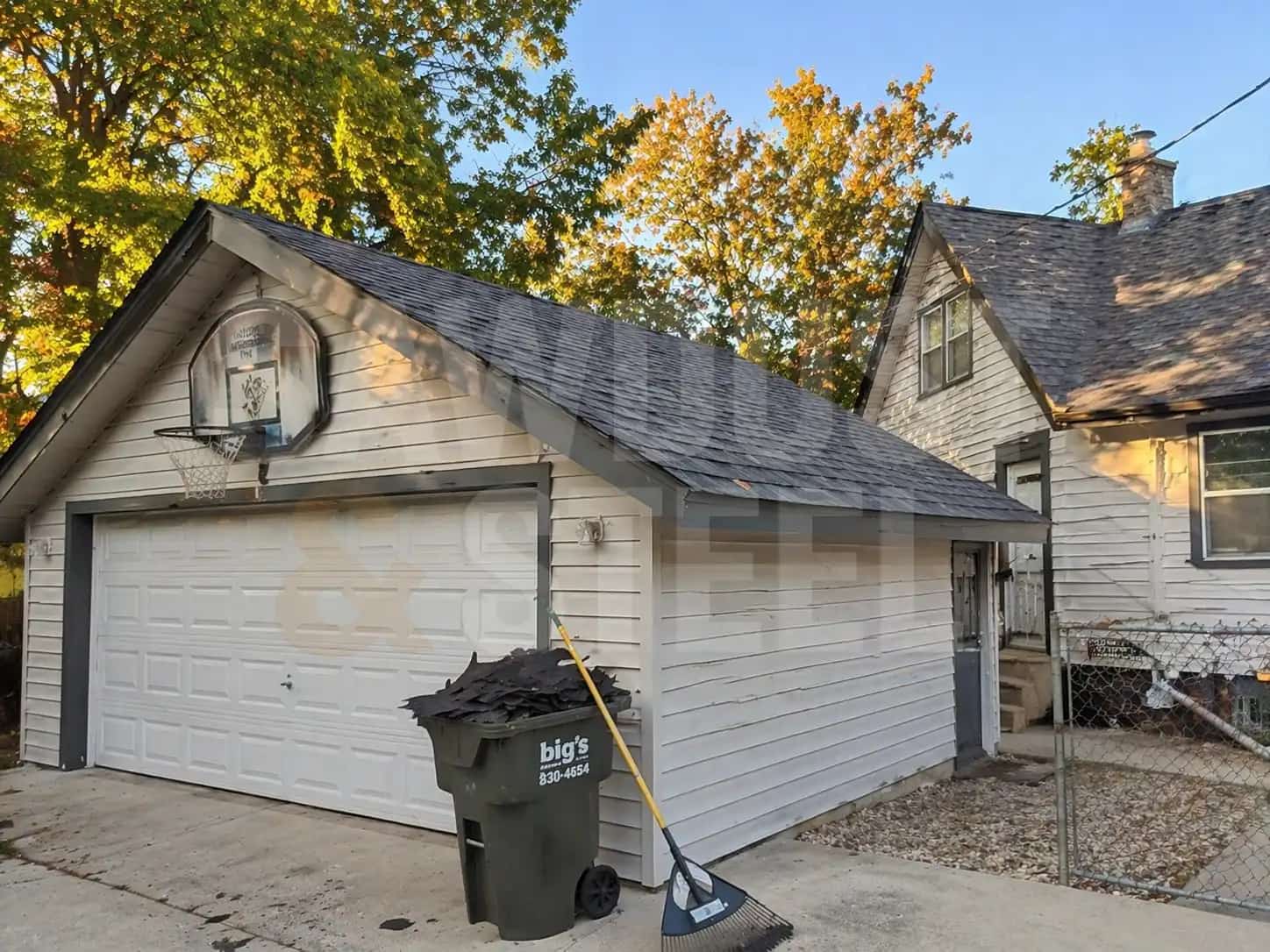
The overlay quote is lower, produces less rubbish and promises a quicker visit. Those are real attractions. The question is what remains beneath the saving, and whether anyone has enough evidence to say it is worth keeping.
Ask what the existing layer is hiding
Have the roofer identify the number of roof coverings, their condition and the available evidence about the deck. Include known leaks, soft areas, repeated nail problems and previous patching. An exterior photograph of tidy shingles cannot establish the condition of everything underneath them.
IKO's residential FAQ says re-covering can be considered when an existing single layer lies flat and the deck is sound, subject to local rules. That is conditional manufacturer guidance, not approval for every roof with one visible layer. Obtain the current instructions for the exact proposed product and the local requirements for the property.
Compare access as part of the purchase
A tear-off exposes the deck and gives the installer an opportunity to inspect and repair it directly. It also makes removal, disposal and temporary weather protection part of the job. An overlay retains more existing material and may limit what can be established without additional openings.
| Decision | Overlay question | Tear-off question |
|---|---|---|
| Deck condition | What evidence supports retaining the concealed deck? | How are exposed defects documented and priced? |
| Flashings | How do new and retained layers connect? | Which flashings are renewed and integrated? |
| Future work | What extra layers remain for later investigation? | What records show the repaired substrate? |
Ask how each proposal deals with the same chimney, skylights, pipe penetrations, valleys and wall junctions. 'New shingles throughout' does not explain which flashings are renewed or how they connect to the retained layers. Our roof quote flashing scope helps make those decisions explicit.
Do not let the sample board settle the structure
The additional covering becomes part of the roof load. Have the relevant professional assess any structural concern or uncertain existing construction. A roof's long service history is not a calculation for adding another layer. Visible sagging, changing ceilings or known framing defects deserve investigation before a covering decision.
The same applies to pitch. A porch section may need a different roofing system from the main slope. The low-slope porch guide explains why matching colour cannot override a product's permitted application. Identify every roof plane on the scope rather than letting the main roof's answer cover the whole house.
Give hidden repairs a price process
For a tear-off, agree how deck repairs will be measured, photographed and authorized. Name the included allowance, any unit pricing and what happens when the scope exceeds it. IKO's roofing application guide includes deck preparation as a distinct part of installation. Ask for sound substrate work to be completed before the new layers hide it.
For an overlay proposal, ask what inspection would cause the contractor to change to a tear-off and how the revised cost is handled. A low fixed price is less reassuring if its assumptions cannot be checked until the crew is already there. Use roof quote section on hidden deck repairs to keep evidence and approval together.
Think through the next repair
Ask how an isolated leak would be investigated under the proposed assembly and what a later full replacement would remove. Include warranty eligibility and exclusions in the comparison. Do not assume that a shingle's headline warranty covers every reroofing method or pays for all access and labour.
Compare the promises beside the shingle name as carefully as the price. Wind ratings and wind-warranty coverage describe different things, and installation requirements affect the value of both.
A household expecting to keep the house for many years may place substantial value on seeing and documenting the deck now. Another owner may have a suitable, well-understood roof where an approved re-cover is a reasonable option. The distinction comes from condition and scope, not from a rule that every cheaper quote is wrong.
Choose from two complete written proposals
Normalize the shingle product, flashings, vents, edges, deck work, disposal, protection and warranty before comparing totals. Ask the roofer to mark retained and replaced elements on a roof plan or overview photograph. If one proposal leaves a leaking junction outside its price, it has not priced the same outcome.
Keep the final inspection and repair photographs. Once the roof is finished, they become the best record of what the new surface is sitting on. The useful saving is one you can explain without pretending the concealed parts stopped mattering.