
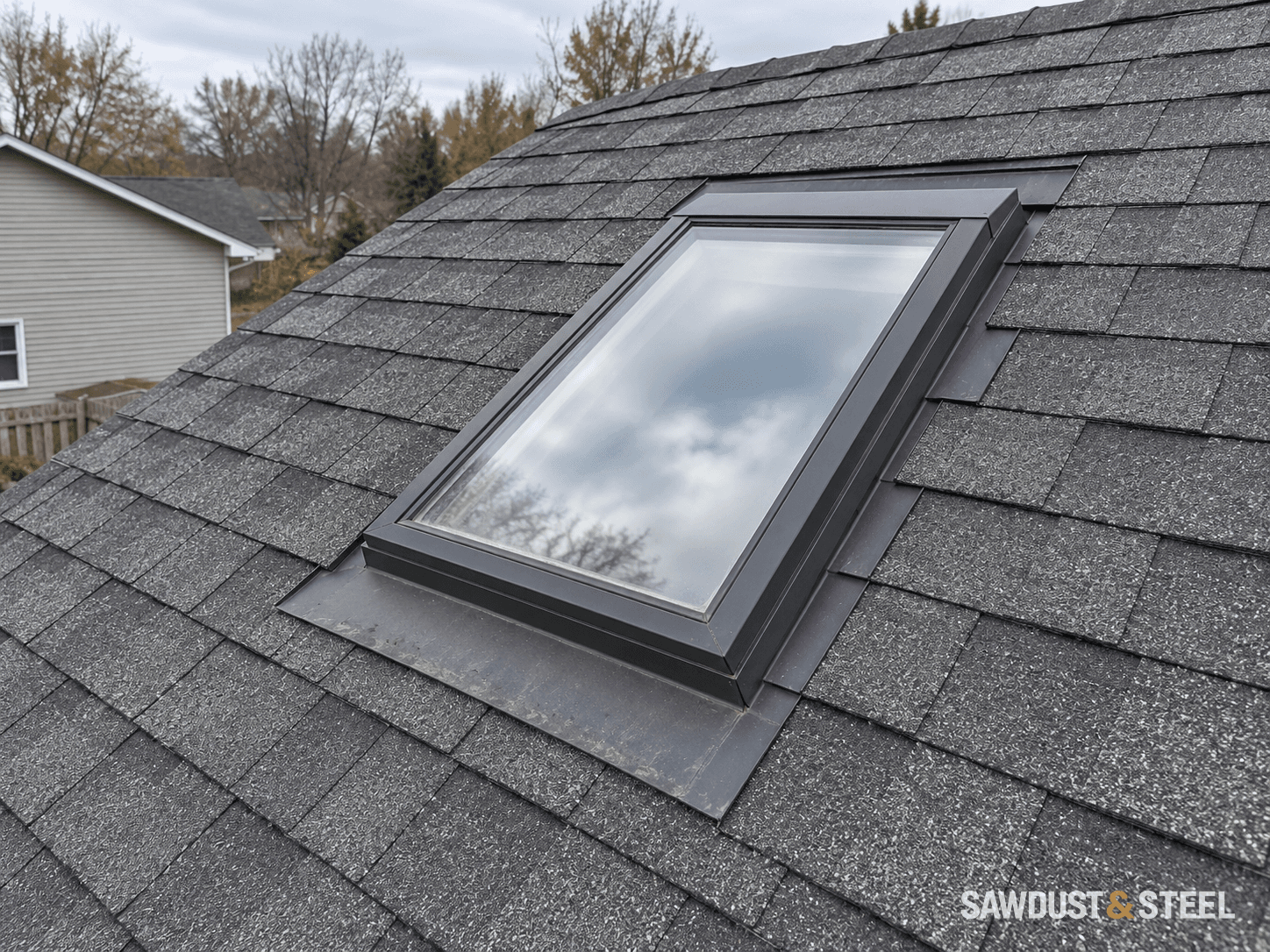
The metal sample looks sharp. The cedar looks even better. Then you ask about repairs, upkeep, and the snow sliding toward the side door, and the choice gets more interesting. Asphalt, standing-seam metal, and cedar can each make sense, but start with the house and how long you expect to own it. On one bungalow quote, the owner had picked standing-seam metal before we walked around to the side entrance. That door sat directly below a long, uninterrupted roof slope. Snow retention became part of the price conversation before colour did.
Which roofing material fits which homeowner?
| Material | Usually fits | Main caution |
|---|---|---|
| Architectural asphalt | A straightforward replacement with broad product and repair availability | Shorter renewal cycle; warranty depends on the exact system and installation |
| Standing-seam metal | Long-hold homes and owners comfortable with a higher upfront commitment | Panel, coating, flashing, snow-shed, and penetration details need a specialist |
| Cedar shake or shingle | Homes where natural wood is central to the architecture | Specialized installation, ongoing inspection, and possible heritage or insurer review |
When does asphalt roofing make sense?
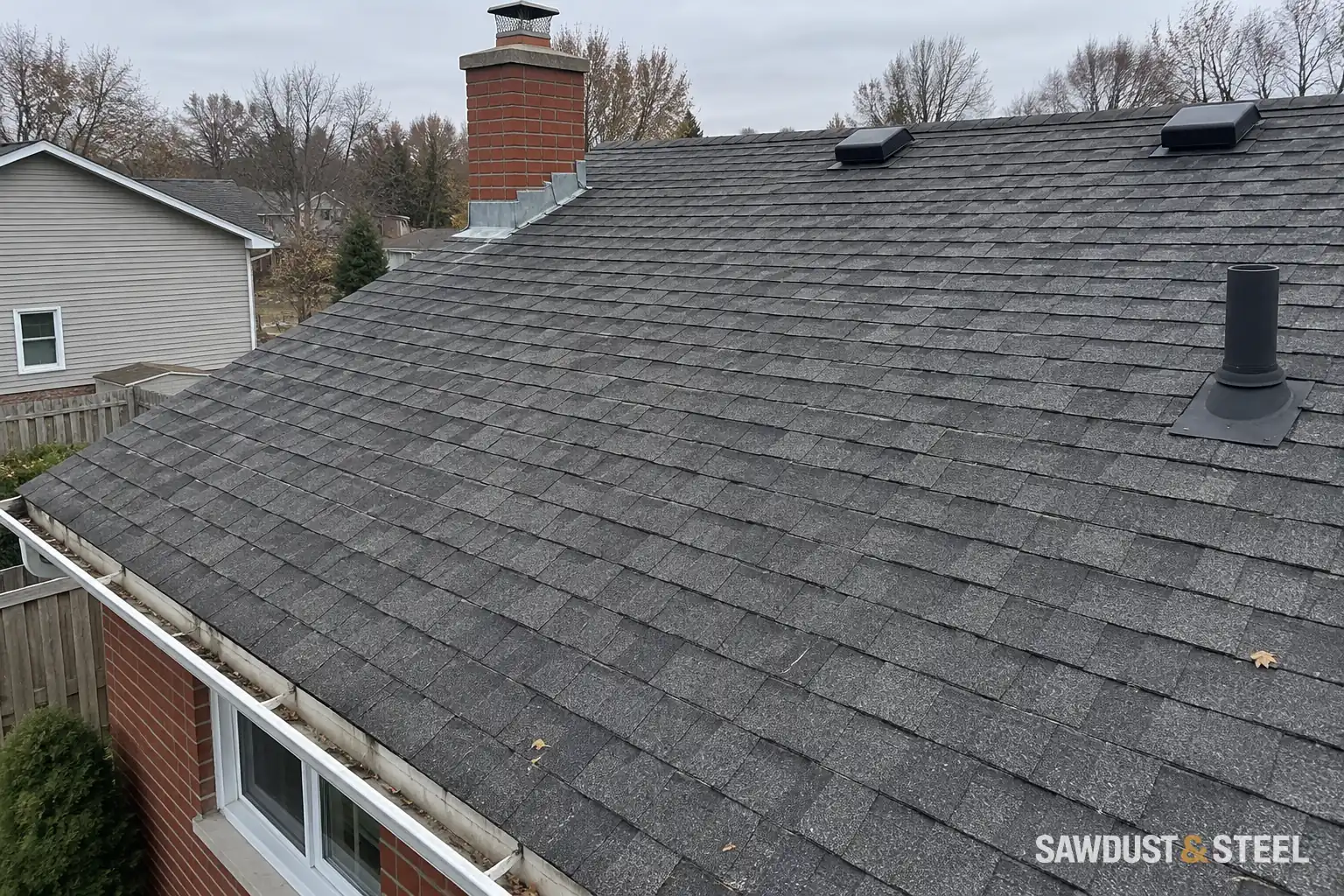
Architectural asphalt shingles are the practical default when the goal is a familiar system, modest upfront commitment, and easier future spot repair. The meaningful comparison is not just brand versus brand. Ask for the exact shingle, starter course, underlayment, eave membrane, ridge cap, ventilation plan, flashing work, and workmanship warranty.
Manufacturer headlines need their fine print. GAF explains that its enhanced Timberline HDZ wind warranty requires qualifying accessories and installation conditions. Check which accessories and installation records are needed to qualify.
When does standing-seam metal make sense?
Standing-seam metal is worth considering when the owner expects to keep the house, likes the appearance, and can hire an installer experienced with the exact panel system. Concealed fasteners and long panels handle movement differently from asphalt. The quote should name the metal thickness, substrate, coating, seam type, clips or fastening method, trims, flashings, and warranty.
Do not assume every metal roof performs or sounds the same. The deck, underlayment, attic, panel profile, and interior assembly all affect the result. Snow can release quickly from smooth panels, so entrances, walkways, lower roofs, and neighbouring property need a project-specific snow-retention review. Ideal Roofing's hidden-fastener steel panel literature is a useful example of why the exact panel and installation method belong in the contract.
When does cedar roofing make sense?
Cedar earns its place when natural wood is important to the house rather than a last-minute upgrade on the quote. Shake and shingle are different products, and grade, treatment, exposure, fasteners, ventilation, valleys, and underlayment details must match the selected system. On a designated property, confirm the heritage approval path before ordering. Ask your insurer about the proposed roof at the same stage. Also walk the shady side of the house: a cedar roof beneath overhanging branches asks more of you than the sunny sample at the supplier. If clearing debris and arranging periodic inspections already sounds irritating, pay attention to that feeling.
Maintenance should respond to condition, shade, debris, moss, drainage, and the treatment manufacturer's instructions. Routine aggressive pressure washing is not a harmless refresh. The Cedar Shake & Shingle Bureau's current roof installation and maintenance manual says power washing is rarely needed and can damage wood fibre when done badly.
Can any roofing material prevent ice dams?
No roof covering cures the heat and moisture conditions that create ice dams. Natural Resources Canada says the preferred prevention is to seal attic air leaks and insulate thoroughly, with ventilation designed for the assembly. Eave membrane can reduce the chance of backed-up water entering the deck, but it does not stop the ice from forming. Metal may shed snow differently; that is not the same thing as fixing the attic.
A tear-off is the point when the deck, old flashing, and hidden transitions can finally be assessed directly.
Choose light or dark shingles against the fixed materials
Keep the existing brick, stone, window frames and other permanent finishes in the comparison. A warm wall and cool roof can work, but it should be a deliberate choice. Mark how much of the roof is visible from the street: a steep front slope makes a dark blend a much larger visual decision than the same product on a shallow rear roof.
Stand back to the normal viewing distance before choosing. We like to compare the roof, entrance and garage together. If every edge has become the strongest feature, reduce the number of competing contrasts before changing the entire material palette.
Approve a full-size sample outdoors
Use actual product samples large enough to show the colour blend and repeating pattern. Compare them in sun, shade and overcast light beside the house, then record the exact manufacturer, product and colour. A similar name on another brand is not the same selection. If you visit a completed roof, confirm its product rather than guessing from a photograph.
Colour and heat performance are separate checks
Visible lightness does not by itself establish cooling savings. Solar reflectance and thermal emittance describe different properties; obtain the exact product ratings when heat performance matters. Climate, insulation and the roof assembly affect the result. US Department of Energy: cool roofs explains that cool-roof benefits depend on climate and that winter heating penalties can occur. Use that principle without importing a US bill-savings estimate into an Ontario house.
| Decision | Evidence to compare |
|---|---|
| Material and assembly | Installation details, repair strategy, snow management and written warranty |
| Light versus dark appearance | Large samples with the fixed brick, stone and window finishes |
| Heat performance | Exact product ratings and a house/climate assessment |
| Final order | Recorded product and colour, not just a phone screenshot |
How should you make the final choice?
Ask each installer to price the same complete roof assembly. Confirm the roof deck, slopes, low-slope sections, attic ventilation, flashings, skylights, solar plans, snow management, product warranty, and repair strategy. Our GTA roof replacement cost guide shows what each quote should contain.
If the current roof has a leak or altered shape, use the roof inspection checklist before deciding the entire covering needs replacement.