
The front elevation may be the reason everyone notices the house. That does not establish which features its designation protects. Before taking out a staircase or original room divider, read the property record.
Establish the property status
Ask the municipality whether the property is individually designated, within a heritage conservation district, listed without designation, or subject to another relevant protection. Obtain the designation bylaw and applicable district information rather than relying on an estate listing that simply says 'heritage'.
City of Toronto: heritage permit guide specifically asks applicants to account for interior attributes identified in the designation. That makes 'we are only changing the inside' an incomplete answer. Outside Toronto, use the same property-specific approach with your own municipal heritage staff.
Read the property record
Identify designation type and named attributes.
Describe the proposal
Show retained, altered and removed features clearly.
Obtain the required decisions
Coordinate heritage and other approval tracks.
Protect the agreed work
Give crews the retention and repair instructions.
Describe the change precisely
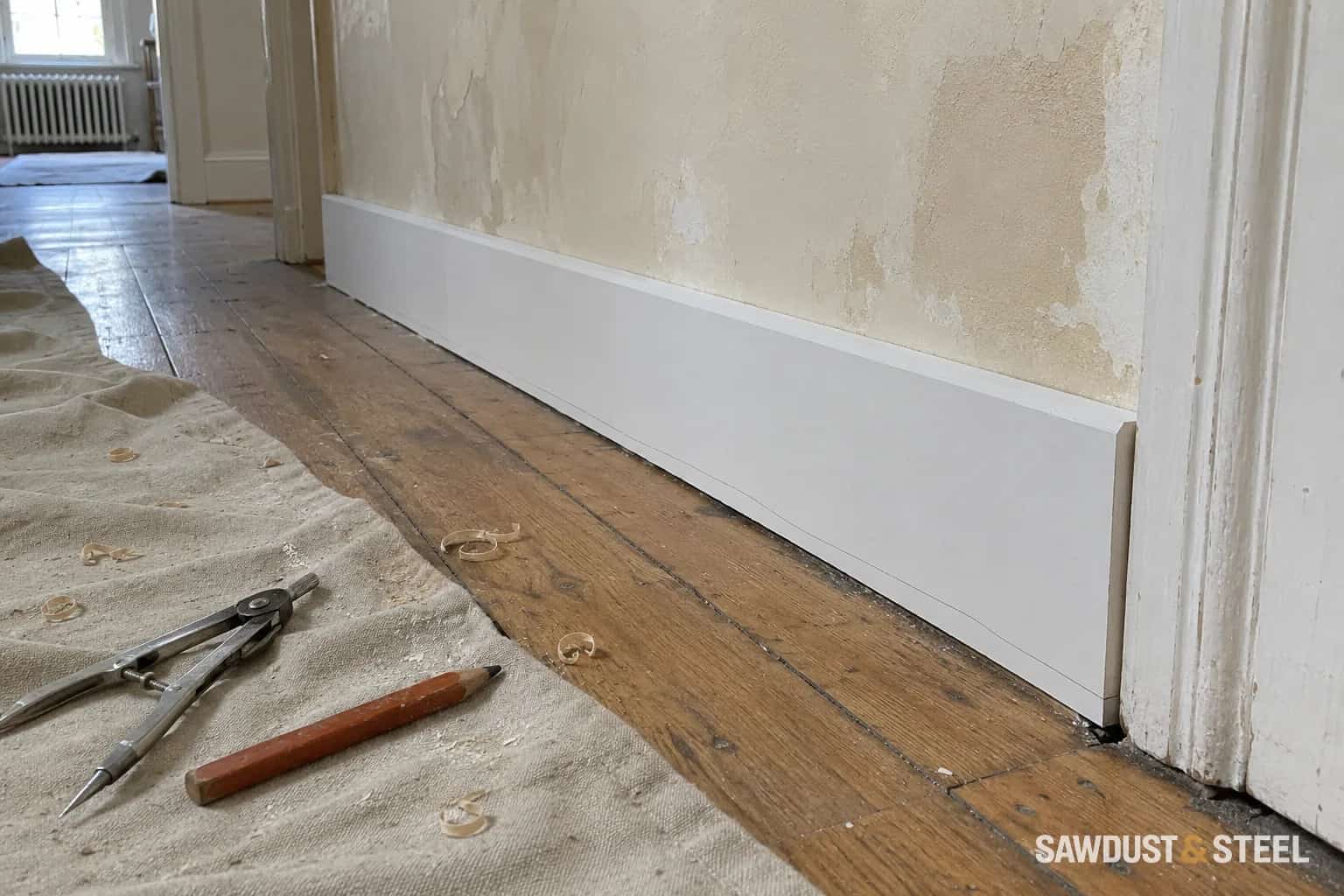
Photograph the existing feature and show what you want to retain, alter, cover or remove. Explain the practical problem: access, deterioration, layout or a new service route. A marked plan and clear photographs help staff assess a proposal more effectively than a general request to modernize the house.
Do not remove a feature first so its condition is easier to inspect. Where condition is disputed or work is complex, ask what qualified assessment is needed. Retention, repair and replacement can have different consequences for approval.
Coordinate the approval tracks
A heritage question does not replace structural, building, electrical or other requirements. Conversely, work that does not need a building permit may still need heritage review. Get the relevant decisions before authorizing irreversible removal or ordering custom replacements.
The permit and zoning guide explains the broader separation of approvals. Give the same current drawings to everyone reviewing the project so the heritage solution is not lost in a later construction revision.
Turn retention into a site instruction
Identify protected features in the scope, mark them for the crew and agree how they will be shielded from access and storage damage. If removal for repair is approved, use a labelled salvage record and retain the agreed reinstatement details.
Old coatings and materials still need appropriate assessment. Heritage value does not resolve lead-paint preparation. Keep the approvals and any conservation instructions with the handover records so a future repair starts with the right information, rather than another guess about what mattered.