
A rebate mentioned across the kitchen table can make an expensive renovation feel suddenly affordable. Before you spend that saving, find out which program it belongs to and whether your work qualifies. Accessibility improvements, a family suite and energy upgrades follow different rules. This guide separates the tax credits from the rebates and the closed programs, so you know which official details to check before committing. It is general information, not tax advice.
The three programs worth checking first
| Program | Who or what it targets | Important distinction |
|---|---|---|
| Home Accessibility Tax Credit | Eligible safety or accessibility work for a senior or person eligible for the Disability Tax Credit | Non-refundable federal tax credit |
| Multigenerational Home Renovation Tax Credit | A new self-contained secondary unit for an eligible senior or DTC-eligible adult living with a qualifying relative | Refundable federal tax credit |
| Home Renovation Savings | Eligible Ontario energy upgrades such as insulation, air sealing, windows, doors, heat pumps, solar, and batteries | Program rebate, not an income-tax credit |
Home Accessibility Tax Credit
The federal Home Accessibility Tax Credit page says a qualifying individual can claim up to $20,000 per year in eligible expenses, subject to the shared limit for the dwelling. The work must allow the qualifying person to gain access, be mobile or functional in the home, or reduce risk of harm.
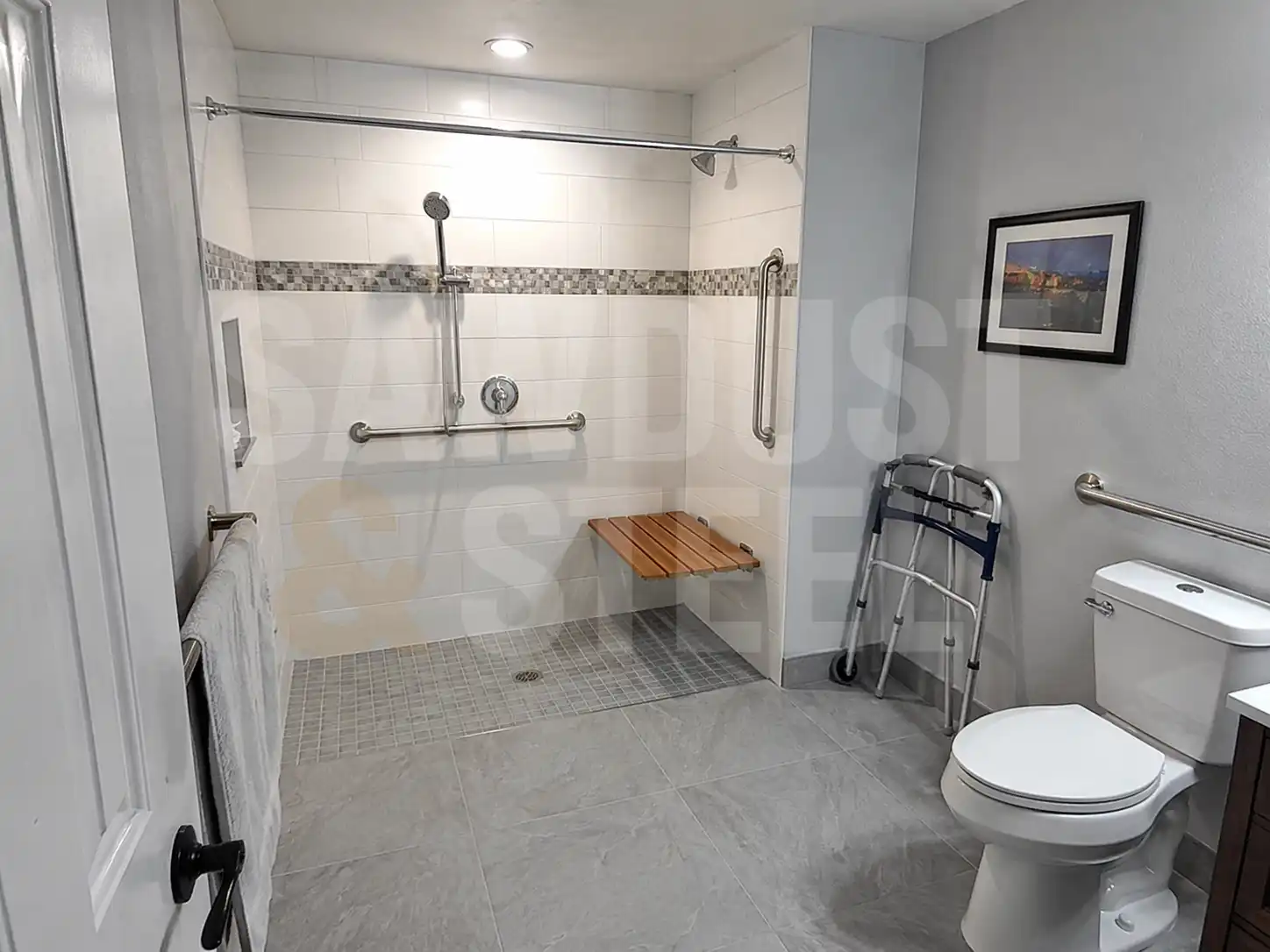
The person must generally be 65 or older at year-end or eligible for the Disability Tax Credit, or the claimant must be an eligible supporting individual. Permanent ramps, grab bars, safer bathing access, wider doors, and similar integral work may fit when they meet the test.
- Keep agreements, invoices, proof of payment, and the supplier's GST/HST number.
- Separate eligible accessibility work from the rest of a larger renovation. Ask for that split in the quote: grab-bar backing, access changes and related work should be identifiable beside ordinary finish upgrades, without assuming every item qualifies.
- Check the relevant tax-year rules for when expenses are incurred, work is performed and goods are acquired; do not assume the payment date alone decides the claim year.
- Remember that non-refundable means the credit can reduce tax payable; it is not automatically a cheque for the headline amount.
Multigenerational Home Renovation Tax Credit
The Multigenerational Home Renovation Tax Credit is refundable and applies to qualifying costs for creating a new self-contained secondary unit. The unit needs a private entrance, kitchen, bathroom, and sleeping area, and it must be for an eligible senior or adult eligible for the Disability Tax Credit to live with a qualifying relative.
The CRA currently allows up to $50,000 of qualifying expenditures per qualifying renovation, with the credit rate set for the relevant tax year. Labour, building materials, fixtures, equipment rentals, permits, and professional services can qualify when the detailed rules are met. Furniture, appliances, routine maintenance, financing costs, and work done mainly for value or appearance are not automatically eligible.
The unit also has to meet local requirements to be recognized as a secondary dwelling unit. Start with our Ontario secondary-suite planning guide, then confirm zoning and permit details with the municipality. Tax eligibility and municipal approval are separate.
Energy rebates use a different rulebook
Ontario's Home Renovation Savings program is a rebate program, not an income-tax credit. It covers eligible energy upgrades through different application paths. Product lists, contractor rules, assessment requirements, amounts, and timing can change independently of the federal tax credits above.
Use our Home Renovation Savings guide for the current upgrade lanes, headline amounts, assessment rule, and pre-contract checklist. Keeping that live program on one page avoids duplicating program details that may change.
Programs that are closed
Natural Resources Canada marks the Canada Greener Homes Grant as closed, with December 31, 2025 as the final document-upload deadline. It also marks the Canada Greener Homes Loan as fully committed and closed to new approvals. Existing approved borrowers follow their existing process; new applicants cannot use the closed program.
How to compare help without double-counting it
Build the renovation budget at full contract price, including HST. Put each possible credit or rebate in a separate line marked not yet received. Then check whether the same expense can be claimed under more than one program, whether government assistance reduces the eligible amount, and which family member should claim it. Keep unconfirmed credits outside the committed budget. For 2026, do not carry forward the old advice that the same expense can be claimed under both the accessibility and medical expense credits. The current Income Tax Act excludes medical-credit expenses from HATC qualifying expenditures. Have your tax preparer allocate the actual invoices under the rules for the claim year.
For accessibility work, design around the person rather than the tax form. Our curbless shower guide explains practical bathroom choices. For tax filing and program stacking, use a qualified tax professional and the current official terms.