
You asked for a quiet neutral. The wall has responded with a faint enthusiasm for pink. Before you assume the paint counter mixed the wrong colour, move the sample around the room and turn on the lamps.
The room is part of the colour
Paint is seen in light and in company: beside oak flooring, white trim, a dark sofa, or warm-toned cabinets. A colour that felt balanced against a shop display can read differently beside the finishes in your house.
Benjamin Moore’s neutral-colour guidance recommends testing colours under changing natural and artificial light. Its colour handbook explains how the light shifts across the day and how artificial lighting becomes dominant at night.
That means the “correct” view is not just the flattering patch beside the window at noon. It is also the view from the sofa after dinner, with the lights you normally leave on.
Give the finalists a fair audition
- Narrow the options before covering the room in competing swatches.
- Use generous samples prepared according to the paint supplier’s directions.
- Let the sample dry before judging it.
- View it vertically on more than one wall, including a shaded position.
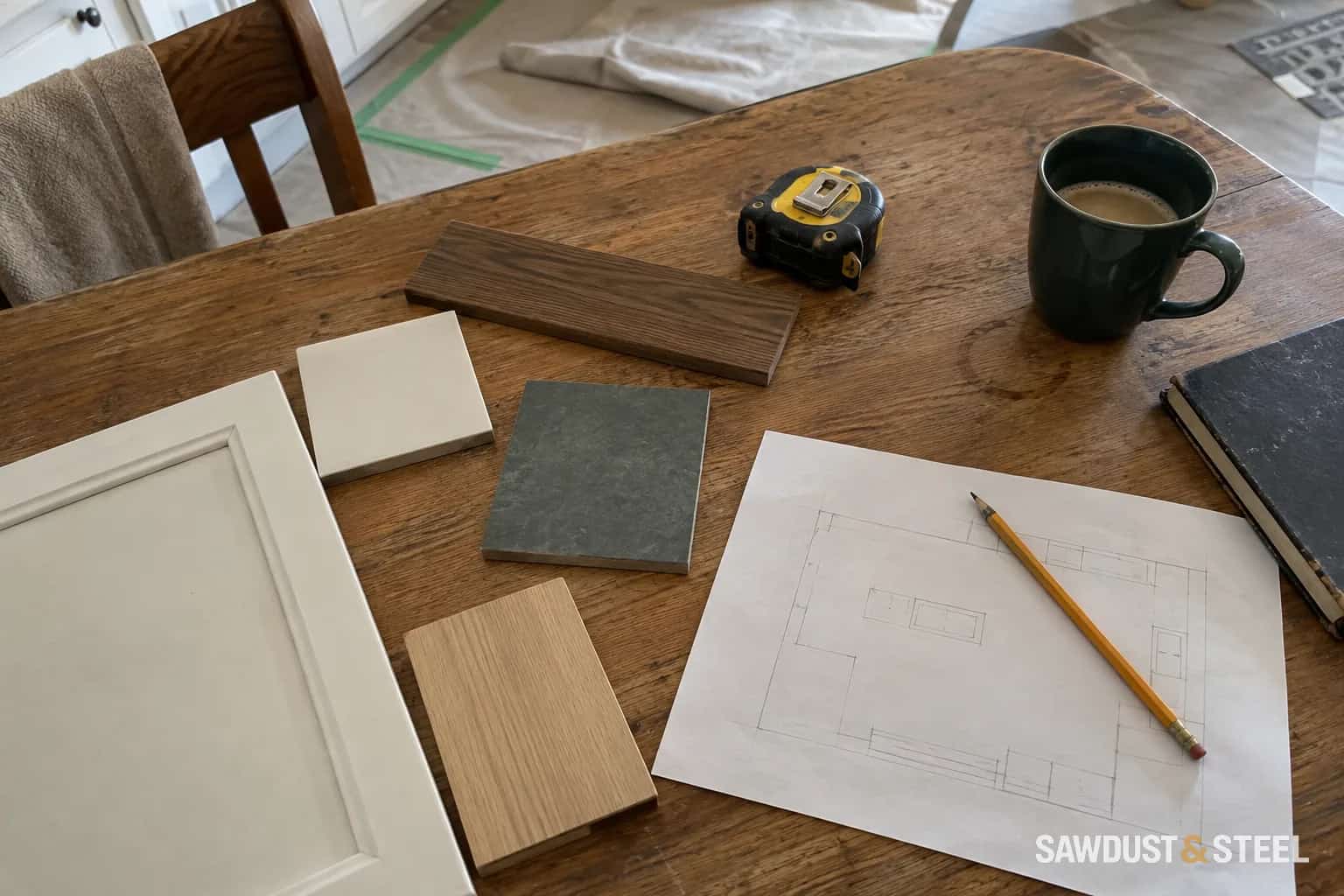
- Place it beside the actual floor, cabinet, tile, and trim samples that will remain.
A movable sample board can make these comparisons easier, provided it represents the coating properly. Leave some breathing room around each candidate. A tiny square squeezed between three strong colours is a difficult way to judge a subtle neutral.
Test the evening you actually live in
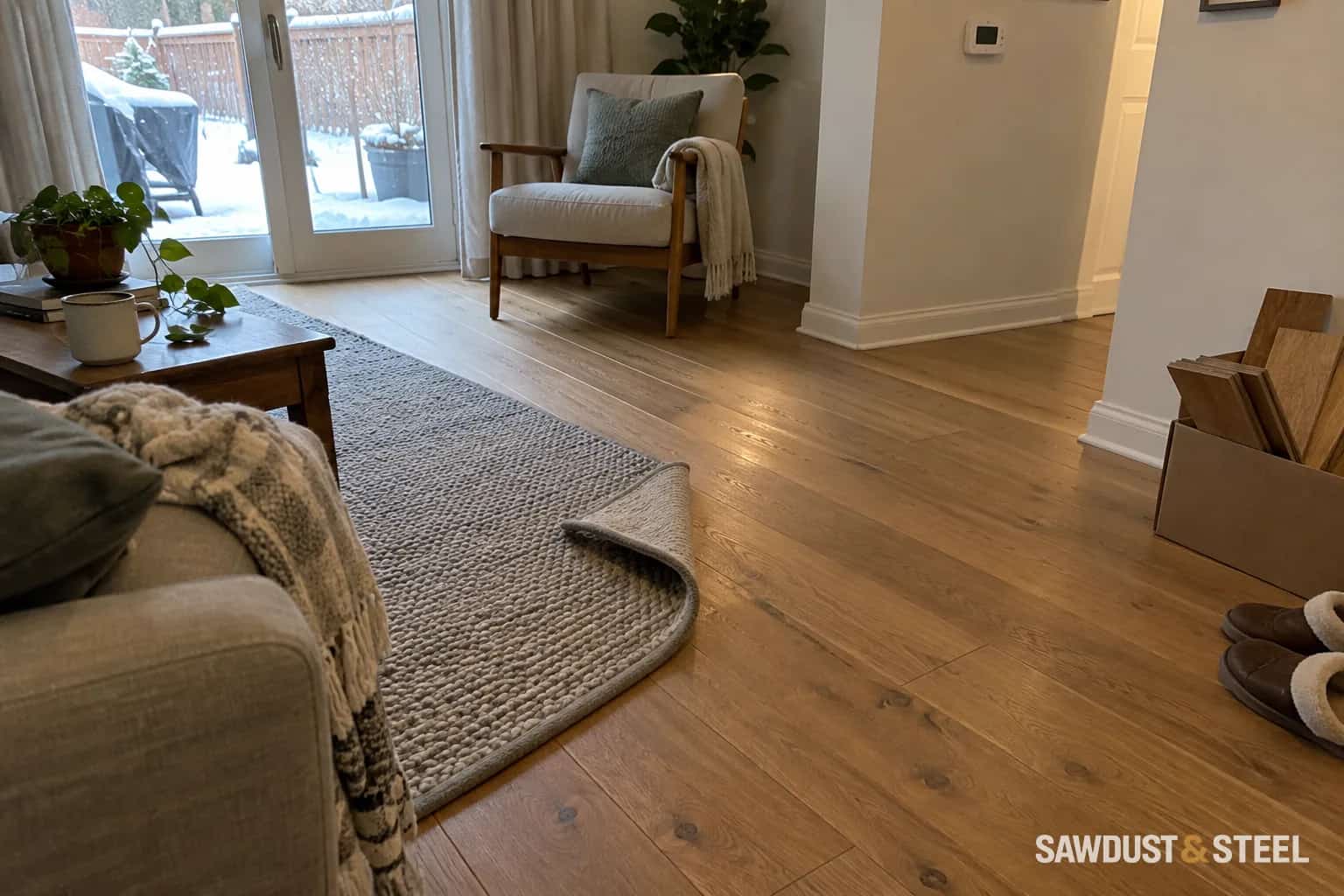
Switch on the planned lamps and task lights. If those fittings are changing, settle the lighting before making the final paint decision. Otherwise, you may choose a colour for a room that will stop existing when the new bulbs arrive.
A phone image is useful for remembering the location of a sample, but its exposure and white balance can change what you see. Make the final judgement in the room. The group chat does not live with your lamps.
Keep colour and finish decisions together
Confirm the colour name and code, paint product, and sheen before ordering. A sample is a selection aid; the finished coating and its surface preparation still matter. Ask the supplier whether the sample sheen differs from the product you intend to use.
If an already painted wall seems wrong, check the label and application details, then assess it after the appropriate drying time under normal lighting. If you still dislike it, say so before the whole room is completed. There is no obligation to develop a long-term relationship with a colour that irritates you every evening.