
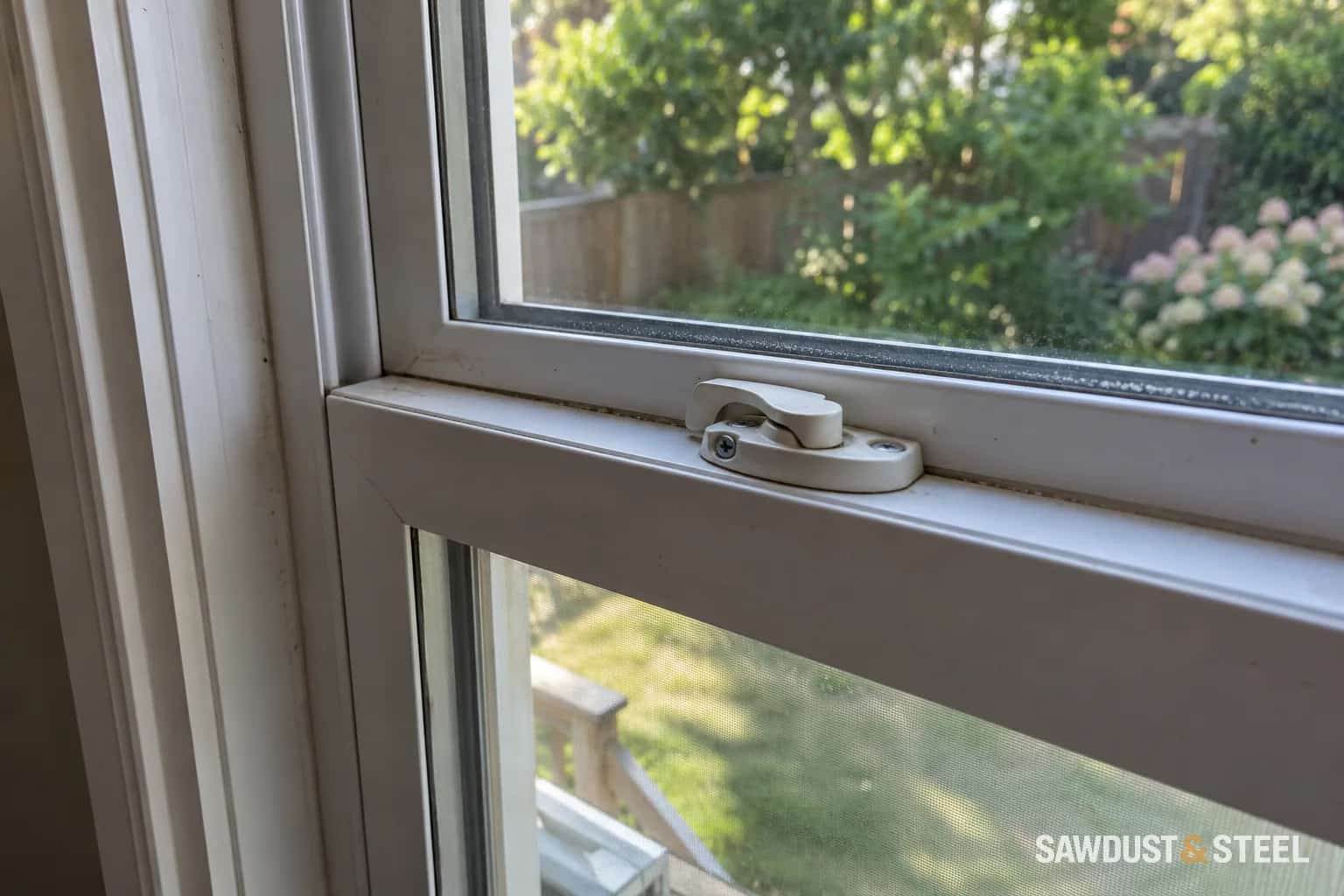
A west-facing room can make window film seem like the obvious Saturday fix. The complication is that film changes what happens to solar energy at the glass. The decision needs the glass construction, coating and condition, not just the measurement needed to cut a rectangle.
Why apparently contradictory advice can both be product-specific
Andersen advises against reflective or decorative film on its windows and patio doors, explaining that heat buildup can increase the risk of cracking. Meanwhile, 3M's instructions for its named DIY Sun Control films permit application to transparent single- or double-pane glass, with exclusions. That is not permission to ignore a window manufacturer's restriction.
The useful question is whether this film is appropriate for this complete glazing assembly. A film supplier's compatibility assessment and warranty are separate from the window's original warranty. If the advice conflicts, pause the purchase and ask the suppliers to resolve the exact combination in writing. Do not translate a film warranty into a statement that the original window coverage is unaffected.
Collect the glass information before ordering
- Photograph the window manufacturer's label, product code and any permanent glass markings without removing beads or seals.
- Record whether it is double- or triple-pane, any known low-emissivity coating or tint, and whether another film is already present.
- Photograph the whole window, its orientation, outside shading and any existing chips, cracks or seal problems.
- Name the exact film, intended application side and whether the proposal covers the entire pane.
You may not be able to establish all of that by looking. Ask the window supplier or a glazing professional to identify the assembly. A reflective appearance does not tell you which surface carries a coating. Likewise, the absence of a visible label does not turn unknown glass into ordinary uncoated glass.
Window and glazing
Identify the assembly, condition, coating and maker's restrictions.
Exact film
Confirm permitted glass types, coverage, application side and installation conditions.
Resolve the combination
Get clear written advice and separate warranty terms before committing.
Read the exclusions as carefully as the word double-pane
For example, the cited 3M DIY range excludes triple-pane glass, double-pane units with suspended film, partial film coverage, previously filmed glass and visibly damaged glass. These exclusions belong to that range. Professional film products may have other specifications, so neither a blanket prohibition nor a blanket approval for all double-pane windows is a useful substitute for checking.
Do not cover a crack to postpone repair or use half a sheet as a trial on a sunny pane unless the exact system allows it. If you already have fog between panes, film will not restore the sealed unit. Get the existing fault assessed before spending money on an additional layer.
Privacy, glare and heat are different buying questions
Reflective daytime privacy can change when the room is lit at night. The cited 3M Solar Privacy product expressly does not provide nighttime privacy. Check the view from outside under the conditions that matter before deciding what curtains or blinds will still be needed. A bathroom or bedroom is not served by privacy that ends at sunset.
Also distinguish adhesive film on the glass from a temporary shrink-film kit attached to the frame. They are different products with different purposes and instructions. Neither substitutes for repairing a leaking frame, and neither should obstruct the window's required operation or access.
A different light-control arrangement may be simpler
If compatibility remains uncertain, compare an appropriate blind, shade or exterior shading solution with the installer. Interior coverings still need clearance from glazing and operating hardware; avoid tightly enclosing a cold glass pocket. The shallow-window blind guide helps separate a bracket that fits from a shade that works.
For a room with a rug outline on wood flooring, treat light control as reducing future uneven exposure rather than restoring existing colour. Keep the product details and approval with the window records. That makes a later glass repair or replacement much easier to discuss.