
On a gas-range replacement, the owner asked for a quieter hood. The old one was loud enough that the family usually left it off. Before choosing a replacement, we checked where its duct actually went and whether the new model could use that route. A quiet showroom demonstration cannot answer those questions. Plan how cooking air gets outside while the cabinets can still change. Health Canada's ventilation advice and Ontario's gas-installation requirements cover different parts of that same job.
What Ontario actually requires
TSSA says registered fuels contractors are the only businesses legally authorized to perform fuels-related work in Ontario. Verify the company in TSSA's authorized fuels contractor registry. The contractor must handle the gas connection and appliance work within the technician's certification and the accepted installation requirements.
Ontario also requires carbon monoxide alarms in qualifying houses. As of January 1, 2026, the province's carbon monoxide safety guide calls for alarms adjacent to sleeping areas and on every storey of a house with a fuel-burning appliance, fireplace, or attached storage garage. Municipal building, mechanical, and electrical approvals depend on the renovation scope. Our permit, ESA, and TSSA guide separates those lanes.
What Health Canada recommends
Health Canada's indoor-air guidance recommends a range hood over a gas stove that vents outside, with the fan running while you cook. Gas cooking can add nitrogen dioxide and carbon monoxide. All cooking adds particles and moisture. A recirculating hood catches some grease and returns the air to the room. It does not remove that air from the house.
How much airflow is enough?
There is no useful one-number answer for every kitchen. Hood size, burner output, mounting height, duct length, elbows, exterior cap, and house pressure all matter. Start with the actual hood and cooking-appliance instructions, then check whether the proposed duct route can deliver the required airflow.
- Choose a hood that fully covers the burners.
- Use the duct diameter and material required by the hood manufacturer.
- Keep the route short and direct, with as few elbows as practical.
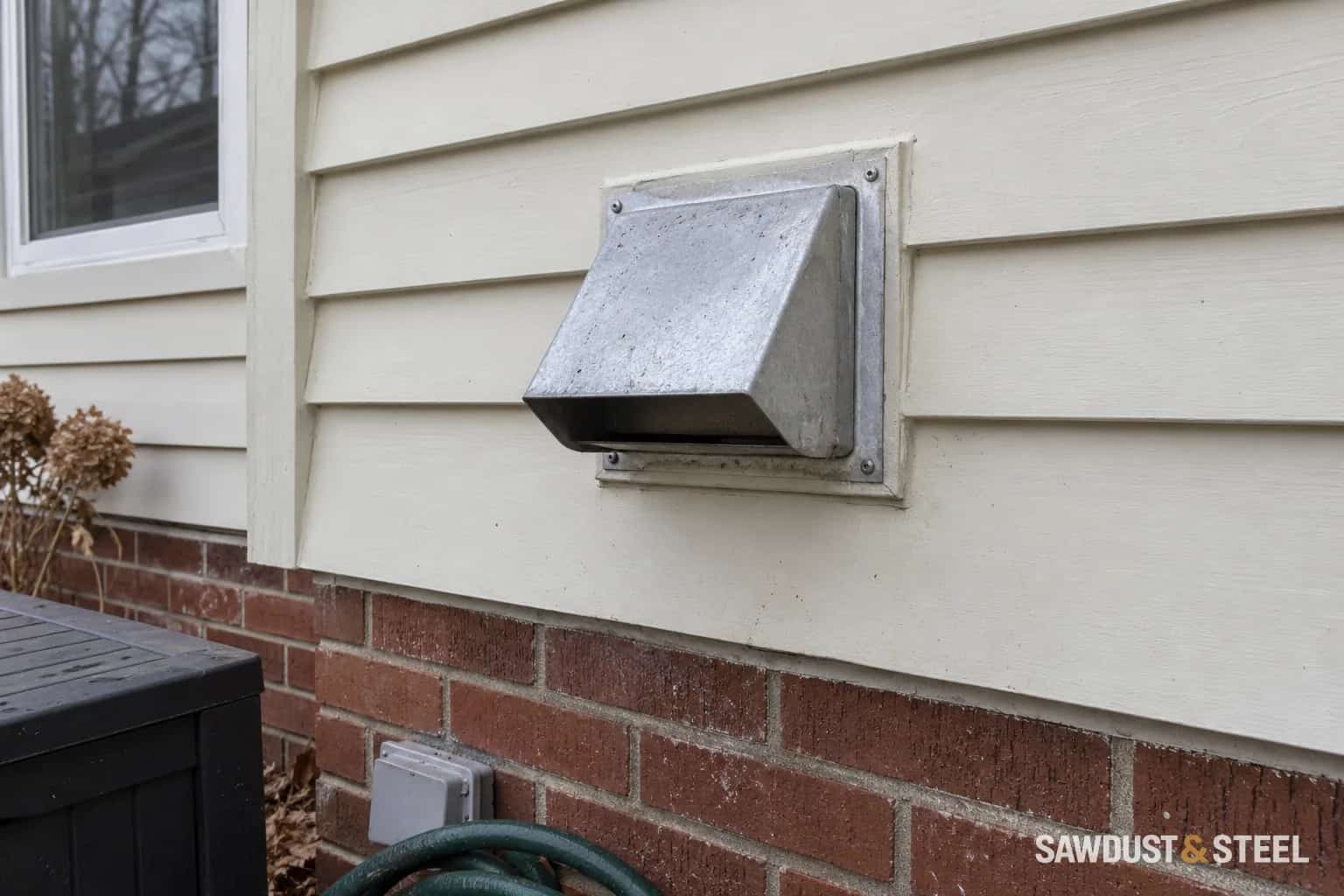
- Terminate outdoors, not in an attic, garage, soffit cavity, or wall cavity.
- Make the exterior cap accessible for inspection and cleaning.
When does makeup air matter?
A large hood removes a large volume of house air. In a tight home, especially one with a naturally vented water heater or fireplace, that can depressurize the house and contribute to backdrafting. Our range hood and makeup-air guide explains when a mechanical review is sensible.
Who installs the gas connection?
The gas appliance and fuel connection belong with a TSSA-registered fuels contractor and appropriately certified technician. Use our Ontario gas-installation guide to verify the contractor and understand commissioning. The hood may also involve electrical and mechanical approvals, depending on the renovation scope.
Finally, run the hood on high while cooking when practical, use the back burners, keep the appliance vents clear, and maintain certified carbon monoxide alarms. If noise makes you reluctant to use the hood, have the unit and duct route checked.
Thinking of switching to induction to simplify all this? The gas flame goes, but dinner still makes steam and particles. Here is what changes for the hood when you switch to induction.