
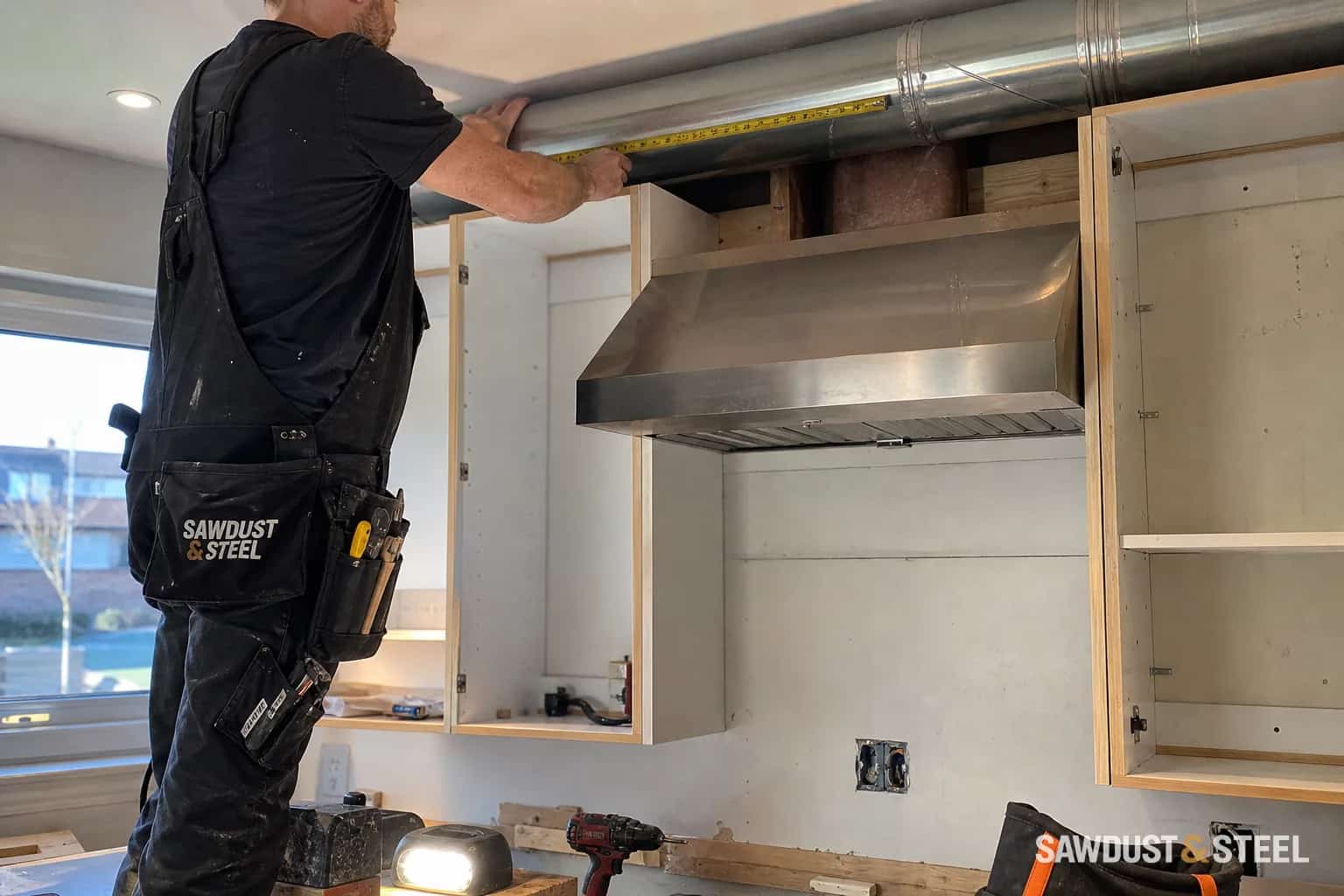
The range is in the hallway and dinner was supposed to happen on it tonight. This is when you discover that delivery and gas installation are two different appointments. Before ordering, settle who handles the connection, what the exact model needs and whether the business and technician are qualified for the work. A stove fitting between the cabinets is only the first of those checks.
Who is legally allowed to do the work
Ontario's Gaseous Fuels regulation and Fuel Industry Certificates regulation govern the work and the certificate required to perform it. Installation is broader than connecting one flexible line. It can include piping, venting, activation, testing, service, and removal.
TSSA states that registered fuels contractors are the only businesses legally authorized to do fuels-related contracting work in Ontario. Search by company name or authorization number, confirm the registration is active, and check the fuel type. TSSA's registration guidance also says the registered contractor is responsible for using appropriately certified technicians.
What counts as gas work during a renovation
- Connecting, relocating, extending, or removing natural-gas or propane piping.
- Installing or replacing a gas range, cooktop, fireplace, furnace, boiler, water heater, dryer, or pool heater.
- Venting a fuel-burning appliance or changing work that affects its safe combustion and exhaust.
- Pressure testing, purging, activating, servicing, or decommissioning fuel equipment.
- Connecting a barbecue, fire feature, generator, or detached-building appliance to a permanent fuel line.
A range move across one kitchen looked simple until the proposed deep drawer landed in front of the gas shutoff. We put the appliance drawing, drawer section and service position on the same page before the cabinet order went out. The gas technician settled the connection arrangement; we changed the storage detail to suit it. Moving a range can affect piping, shutoff access, clearances, electrical supply and exhaust. Let those details occupy real space on the plan, even if it costs you a little cupboard space.
Approved appliance does not mean approved installation
TSSA says fuel-burning appliances sold or installed in Ontario must be approved under the Technical Standards and Safety Act framework. Its field approval program deals with equipment that does not have the normal recognized certification. Have the contractor verify an unfamiliar approval mark before you buy.
Normal certification also does not approve the site-specific installation. The technician still has to follow the applicable code, manufacturer instructions, clearances, piping, venting, combustion-air, and commissioning requirements. Ask for the exact model early enough that the renovation can be designed around the real manual. If the range has been pulled out or moved, include the anti-tip bracket check in the installation handover.
Gas range, hood, and makeup air are one conversation
A powerful range hood removes air from the house. In a tight home, that can depressurize the building and affect naturally vented fuel-burning equipment. The answer is not to guess from hood width or hold a candle near the furnace. Coordinate the gas technician and HVAC designer using the actual appliance input, hood airflow, duct resistance, house tightness, and other exhaust equipment.
Our Ontario range hood and makeup-air guide explains the building-science side. The useful sequence is appliance selection, mechanical design, cabinet and duct coordination, fuel installation, electrical work, and commissioning.
What a red tag means
The regulation requires action when a distributor or certificate holder finds an unacceptable condition. An immediate hazard can require the gas supply to the appliance or work to be shut off at once. A non-immediate unacceptable condition can carry a correction deadline, after which the distributor can shut off supply. The tag is a safety notice, not a contractor's negotiating tactic.
- Read the written condition and do not operate equipment that has been directed out of use.
- Call the fuel distributor or a TSSA-registered fuels contractor using independent contact information.
- Get the defect corrected by the appropriate certificate holder.
- Keep the correction and commissioning records with the appliance file.
Where do carbon monoxide alarms go in 2026?
Ontario's carbon monoxide safety guide says that, as of January 1, 2026, houses with a fuel-burning appliance, fireplace, or attached storage garage need a carbon monoxide alarm adjacent to each sleeping area and on every storey. Follow the alarm manufacturer's location, mounting, testing, and replacement instructions. An alarm warns about carbon monoxide; it does not make an unsafe appliance or backdrafting condition acceptable.
The homeowner file to keep
Keep the registered contractor's name and TSSA number, technician information, itemized invoice, appliance make and model, installation and commissioning records, manufacturer manual, warranty, and any deficiency or correction notice. Photograph accessible shutoffs and labels for your own maintenance file, without treating the photos as a substitute for inspection.
If exterior digging is needed for a pool heater, generator, or detached building, public and private line locating also enters the plan. Read our Ontario One Call guide before the trench starts. If the mystery is already on the wall, map it with the Ontario sidewall vents guide before changing anything. For kitchen work, coordinate the appliance, hood, cabinets, electrical, and registered gas contractor through one plan. Our kitchen renovation team can help with that part.