
Your dog may regard every arrival as a social event. Your cat may have already filed a private objection from beneath the bed. A renovation changes the sounds, smells, routes, and routines of their home, so put the pet plan beside the human plan before work starts.
Choose a room that can stay a room
Pick a comfortable area away from active work and the delivery route. It needs the pet’s usual essentials and a secure door, not merely a dust curtain. Tell the crew which area is off limits and put a clear note on the door. Agree who checks that the pet is settled before work begins.
The ASPCA’s home-improvement guidance recommends considering a designated pet-friendly room and keeping animals away from physical and chemical hazards. Apply that idea to the actual day’s work: a quiet room is only useful if it stays outside the affected area.
Give the front door a human owner
When large materials arrive, doors may remain open and people may have both hands occupied. Do not make the delivery crew responsible for noticing a cat at ankle height. Arrange for a household member or pet carer to manage the animals before unloading starts.
- Confirm the delivery time and put pets in their agreed space beforehand.
- Keep leads, carriers, food, medication, and cleaning supplies accessible.
- Maintain normal feeding, walks, and litter access as far as the work allows.
- Tell everyone about the pet arrangement, including visiting trades and family members.
- Check doors and gates before changing the pet’s location.
Plan the days when staying home does not work
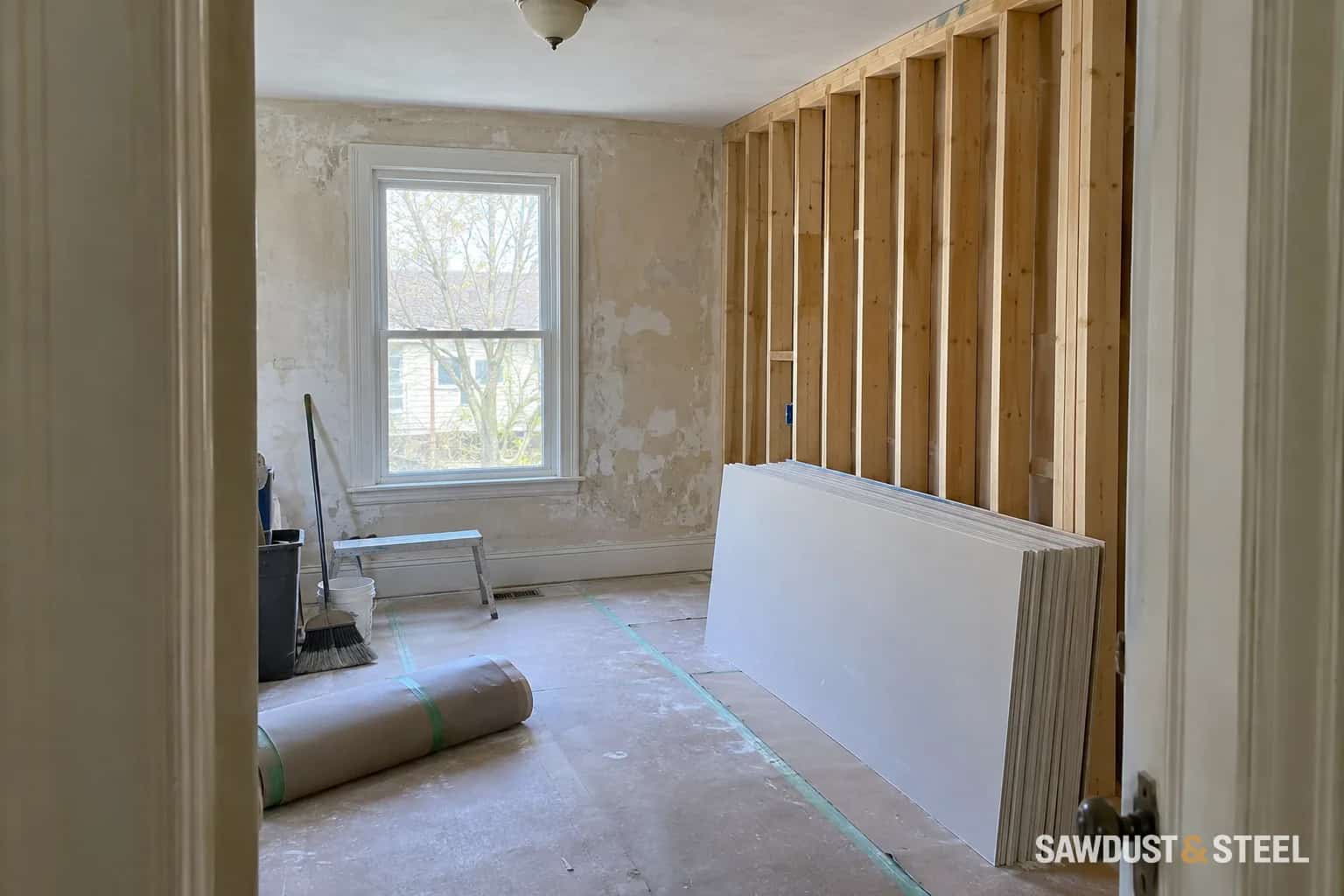
Demolition, floor finishing, disrupted ventilation, or work through several rooms may make the usual pet room unsuitable. Ask the contractor in advance which stages will be noisy, dusty, or require the area to remain unoccupied. Then arrange a familiar carer or appropriate temporary accommodation.
Do not use the absence of a strong smell as proof that an area is ready. Follow the product and contractor’s re-entry instructions. For an animal with particular health or behavioural needs, ask your veterinarian about the arrangement before the disruptive stage begins.
The evening cleanup is part of the pet plan
The ASPCA’s home-repair checklist identifies hazards including loose fasteners, wires, insulation, project debris, and certain adhesives. Keep materials secured and check the route before pets regain access. If exposure or ingestion is suspected, contact a veterinarian promptly and retain the product information.
Walk the approved route yourself, including the garden if materials or waste travelled through it. The purpose is a predictable routine, not a pet who becomes an unofficial site inspector. Your dog can meet his new friends after the tools and open doors are out of the equation.