
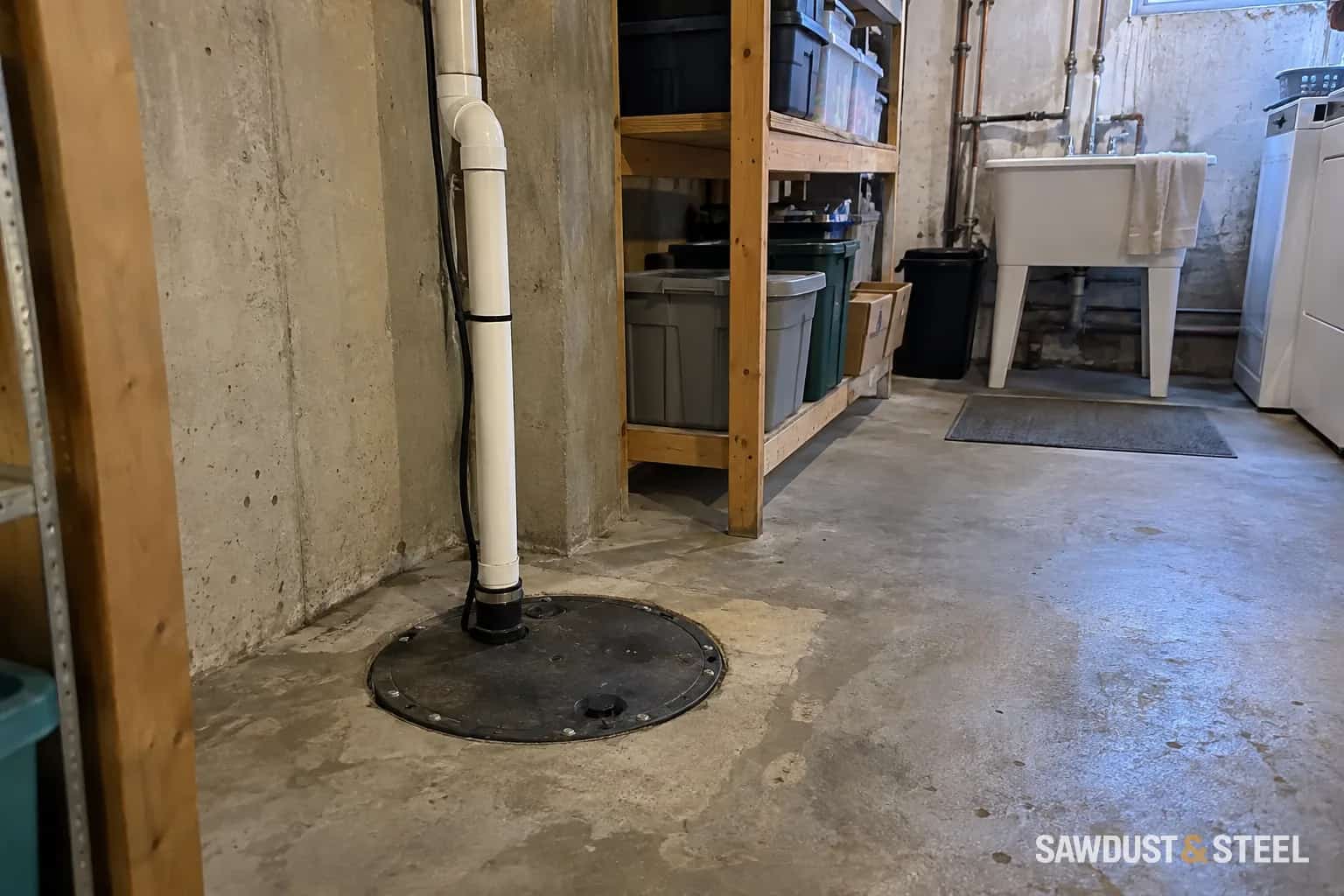
The best time to discover a stuck float is when the basement is dry and the service phone is not ringing across the entire neighbourhood. Put the sump check on the maintenance calendar before wet weather rather than waiting for a storm warning to become a repair appointment.
Start with the make, model and instructions for the primary pump, backup and alarm. Systems differ. A covered basin may also be part of a radon-control arrangement, so do not remove a sealed lid without knowing the approved maintenance method.
Check the surroundings first
Keep stored belongings away from controls, cords, covers and access points. Inspect from a dry, safe position for damage, leaks or a disconnected pipe. Do not handle electrical equipment while standing in water or reach into a running pump. Electrical defects and unsafe access need qualified help.
Access and instructions
Identify models and safe test methods, including sealed lids.
Primary cycle
Observe start, water removal and normal stop.
Outside discharge
Confirm water reaches the intended permitted outlet.
Backup and alarm
Test separately, record defects and arrange service.
Decision guide; not a construction detail or a substitute for the project specifications.
Find the exterior discharge and make sure you understand where the water goes. Check for obvious obstruction, damage or an outlet buried by landscaping. Follow local drainage requirements and the system design; redirecting discharge onto a walkway or neighbouring property creates another problem.
Public Safety Canada: sump pumps recommends regular maintenance and describes functional testing by adding water to confirm operation. Apply that guidance through the actual equipment instructions, including any sealed-cover access arrangement. Testing should not require guessing which component can safely be disconnected.
Observe a complete pumping cycle
Where the manufacturer permits it, introduce water by the specified method and watch whether the float or control starts the pump, the water level drops and the pump stops normally. Verify discharge outside rather than relying on the motor sound. Stop and arrange service if operation is abnormal.
Keep hands and tools clear of moving parts. Do not repeatedly force a float, bypass a switch or run the pump dry to see what happens. If a cover prevents observation, ask the installer for the safe test procedure and what evidence confirms the cycle.
Listen for a substantial return of water or repeated immediate cycling and report it. The cause may involve the check valve, controls or discharge arrangement. Our frequent-cycling guide helps distinguish that complaint from an ordinary maintenance check.
Test backup and alarm separately
A successful primary-pump test does not demonstrate that the backup will work during an outage. Use the backup manufacturer's procedure to verify its operation, battery or other power supply and any status indicators. Do not improvise an outage test during heavy inflow.
Test the high-water alarm by its instructions and confirm you can actually notice it from occupied parts of the house. If it uses remote notifications, verify the intended delivery path and understand what happens if internet or power is unavailable. An alarm buried behind storage is surprisingly easy to forget.
Record the age and service history of the battery or other backup components, along with any replacement instructions. Backup planning explains the separate question of whether the chosen arrangement suits the home. Maintenance cannot establish that a backup has enough capacity for every event.
Write down the result, including the imperfect bits
A useful record says: date, equipment model, primary cycle observed, discharge observed, backup tested, alarm checked and action required. "Pump okay" is much less useful if nobody remembers whether the backup was included.
If a component fails, arrange repair and repeat the relevant check after service. Keep the defect visible on your list until it is resolved. Do not silence an alarm permanently because its noise is inconvenient; establish why it sounded and restore the intended protection.
Recheck after work around the basin or exterior outlet. Landscaping, plumbing changes and an accidentally moved storage box can alter a previously working setup. In cold weather, also review winter discharge freezing before changing the pipe arrangement.
Finally, remember what this maintenance visit proves. It demonstrates the observed equipment functions under the test conditions. It does not certify unlimited pumping capacity or eliminate other flood routes. Keeping that distinction clear helps you maintain the system without expecting it to solve every basement-water problem.