Do You Need a Mould Air Test Before Fixing the Basement?
Visible mould and damp materials usually call for moisture investigation and correction, not a routine air test. Define what a proposed test would change before paying for it.
Read the guideGuides 1-12 of 28 · Page 1 of 3
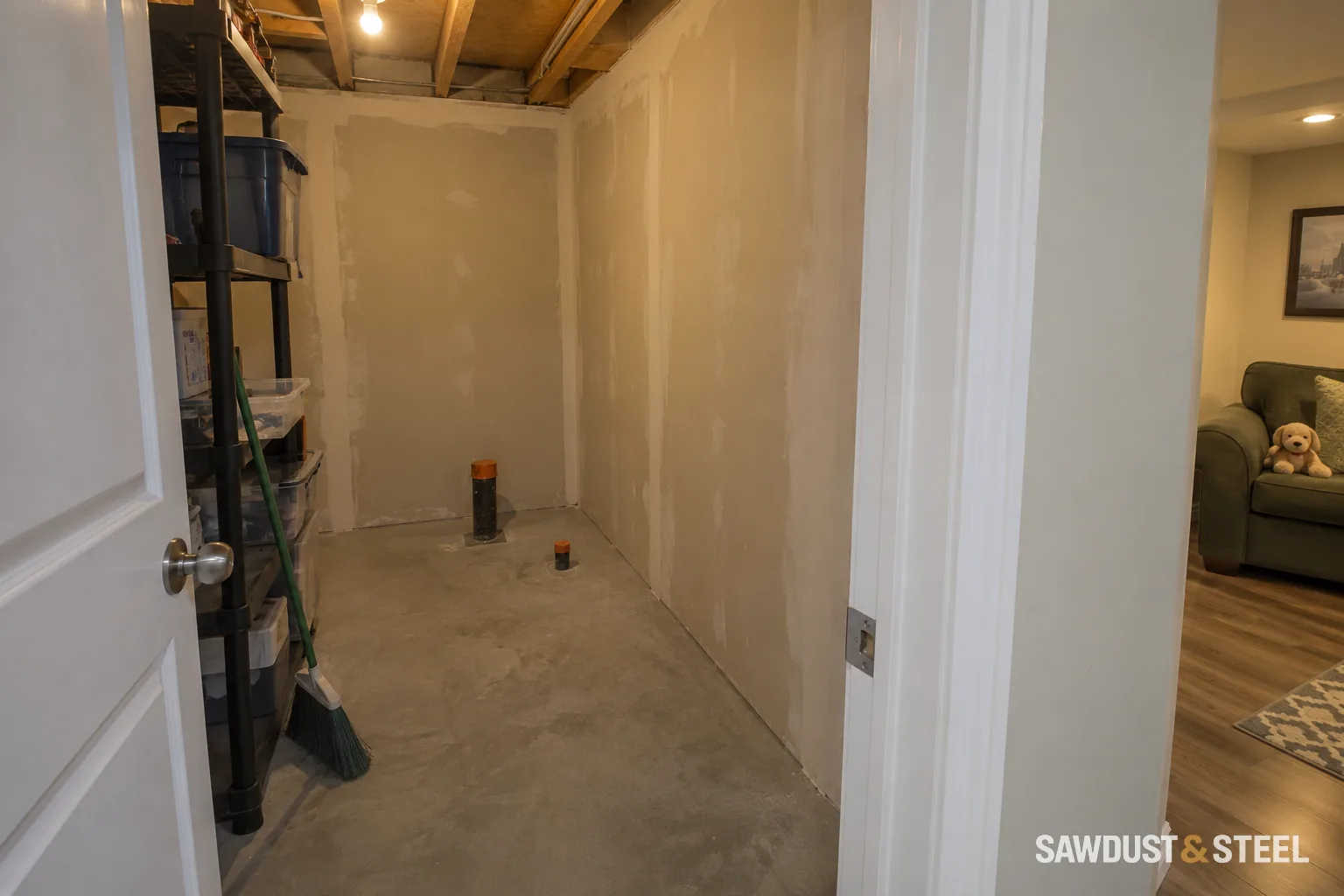
Visible mould and damp materials usually call for moisture investigation and correction, not a routine air test. Define what a proposed test would change before paying for it.
Read the guide
Read the moisture meter's mode and scale before interpreting the number. Compare like materials, map the pattern and confirm the cause before opening a wall.
Read the guide
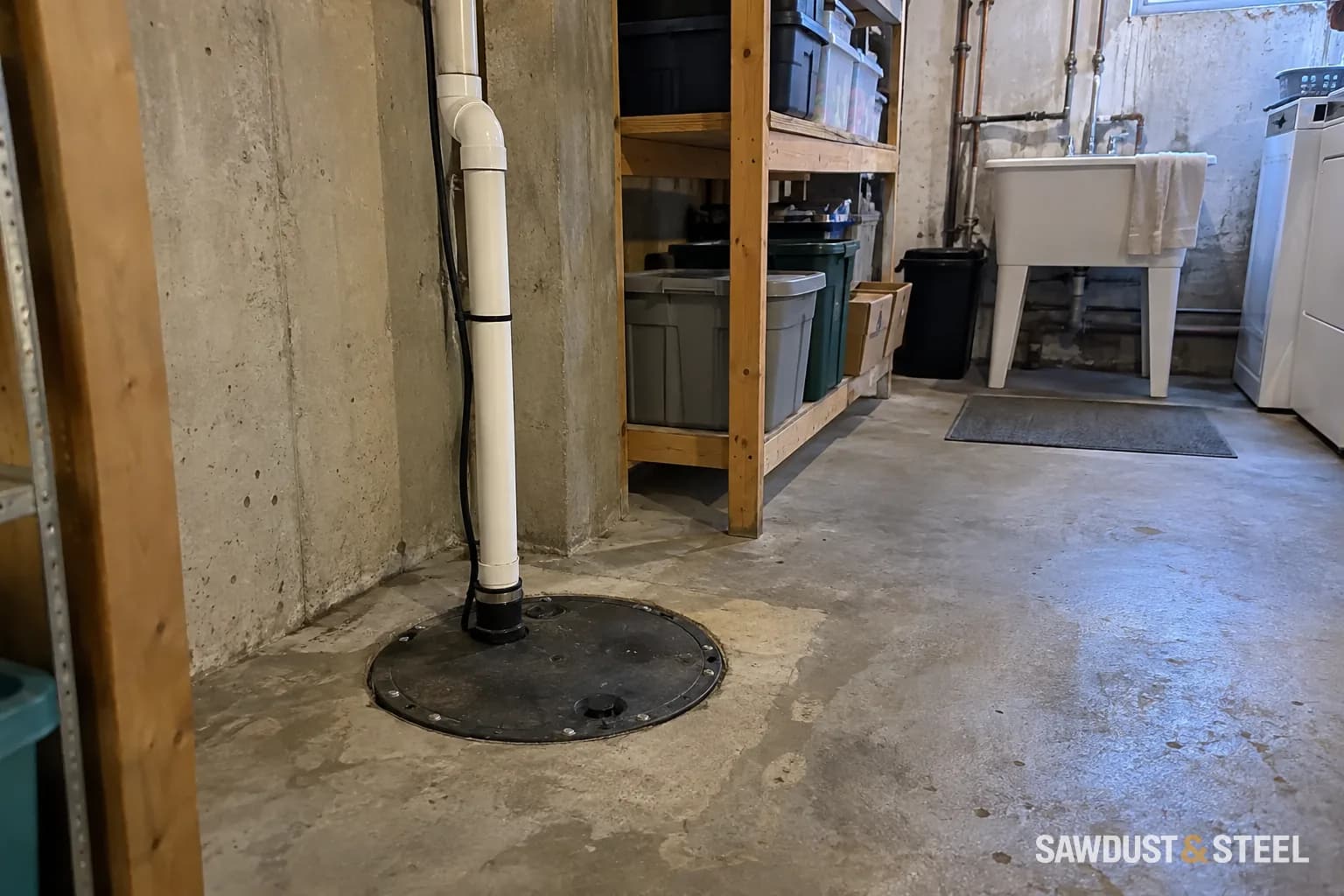
Test the pump, float, discharge, alarm and backup using the equipment instructions. A motor that makes noise is only one part of a working sump system.
Read the guide
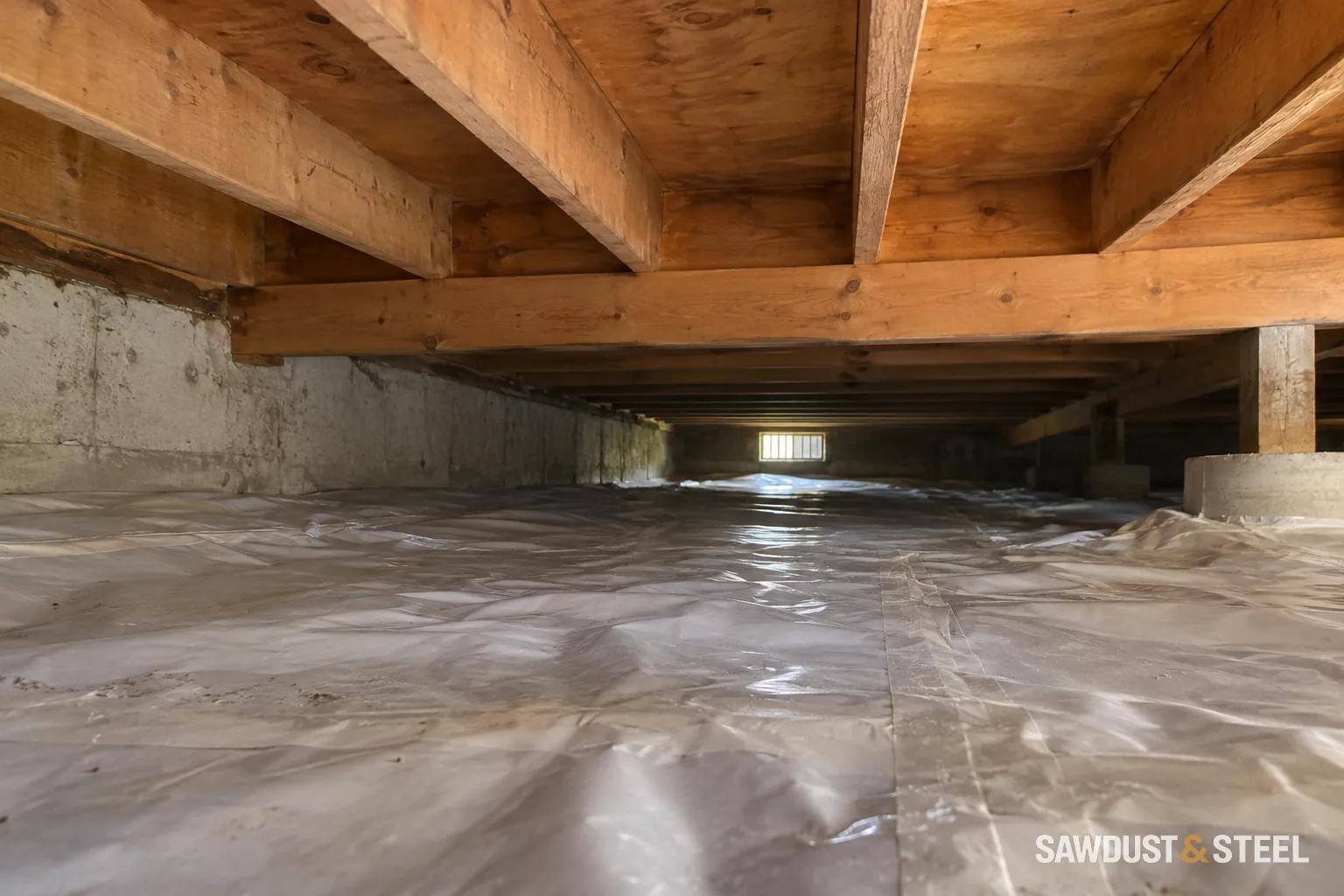
Choose the insulation boundary around the crawl space, its pipes and its moisture conditions. Wall insulation often keeps services inside the warmer enclosure; floor insulation needs a separate freeze-protection plan.
Read the guide
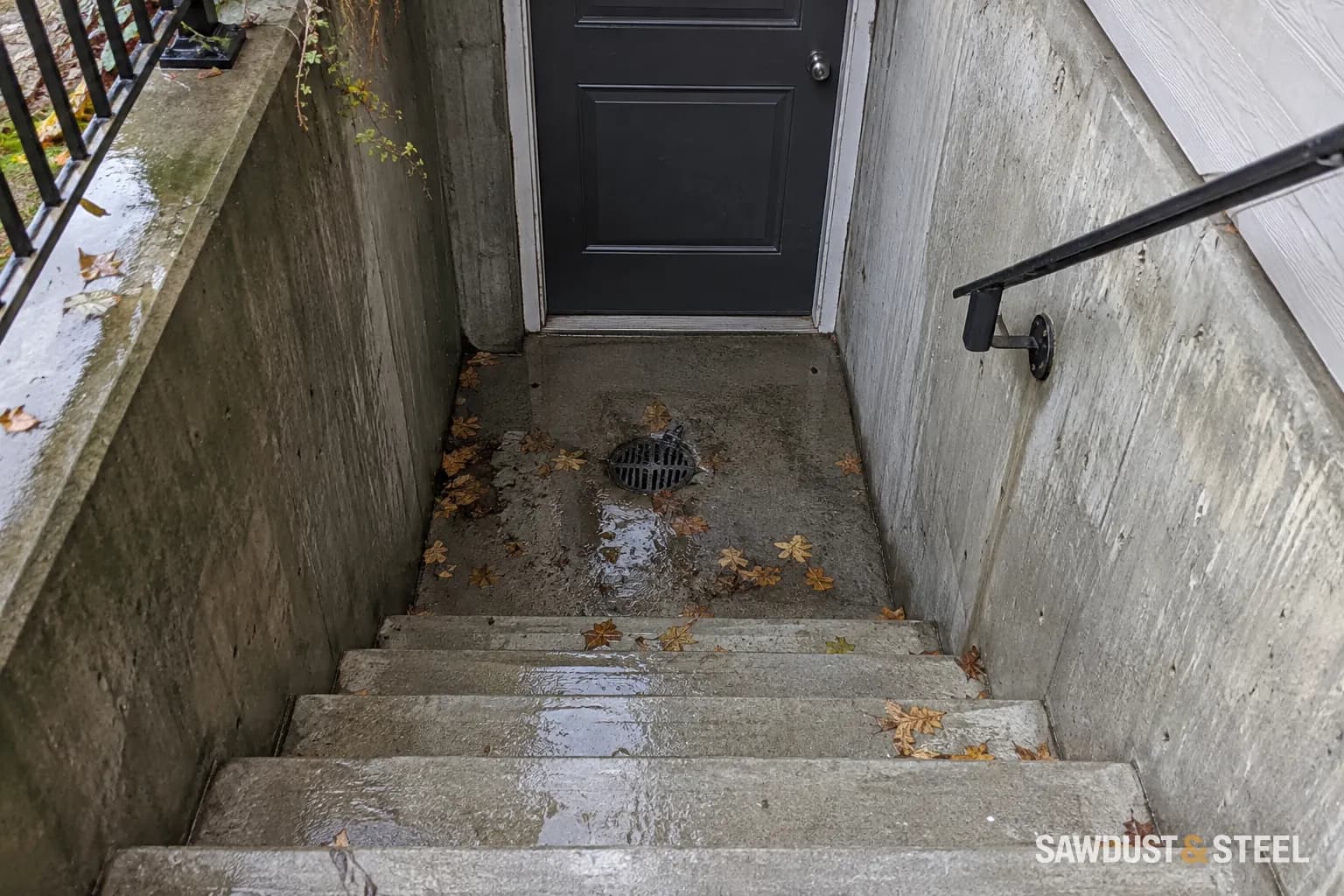
A flooded walkout needs an entry-and-discharge investigation. Separate runoff entering from above, a blocked drain and a drain that cannot discharge before choosing a repair.
Read the guide
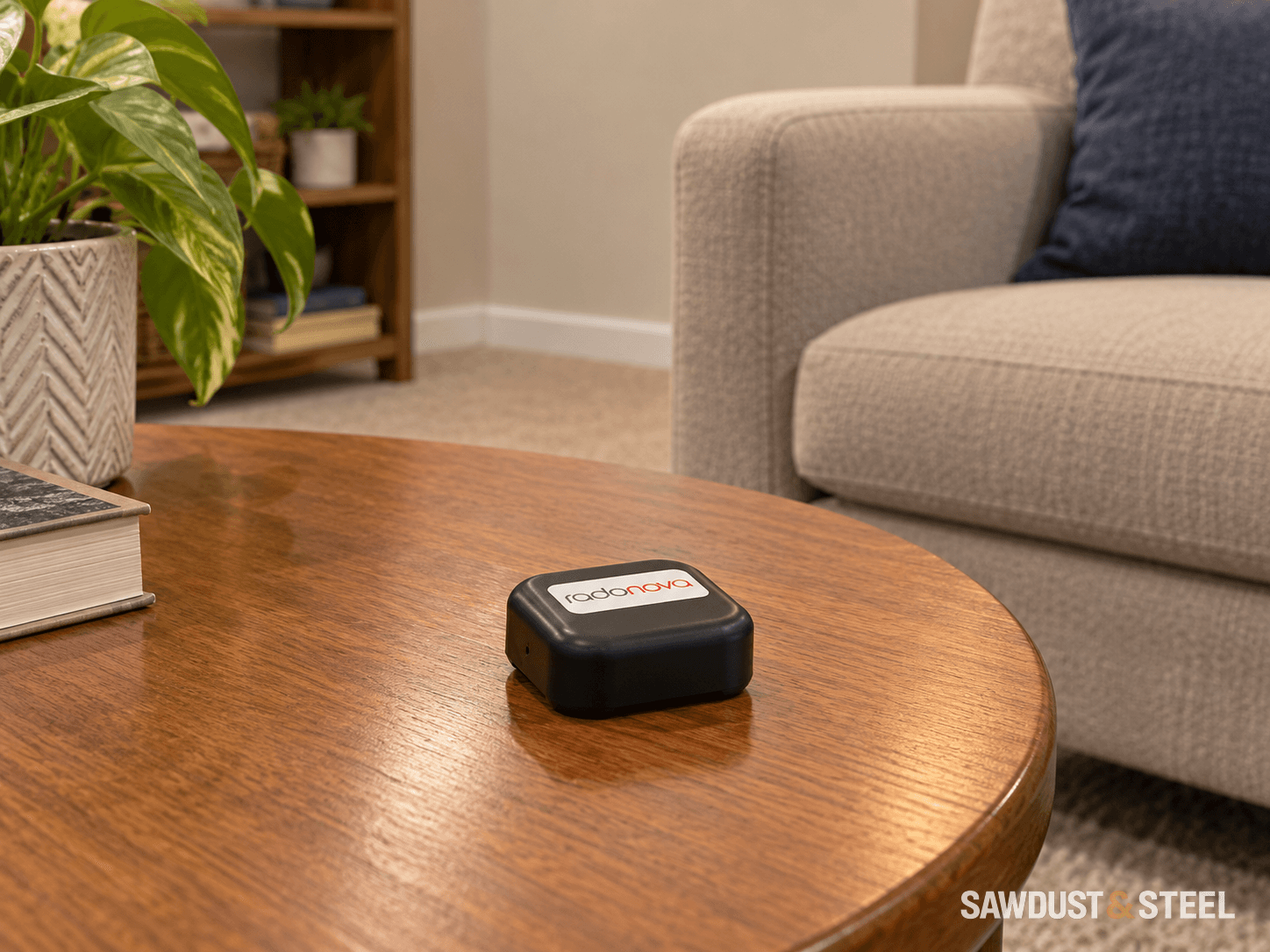
A running radon fan does not measure radon. Keep the commissioning record, complete the recommended long-term follow-up and retest when the house or system changes.
Read the guide
Close flood-damaged basement walls only after contamination is addressed, affected materials are assessed and drying is verified. A dry surface or a set number of days is not clearance.
Read the guide
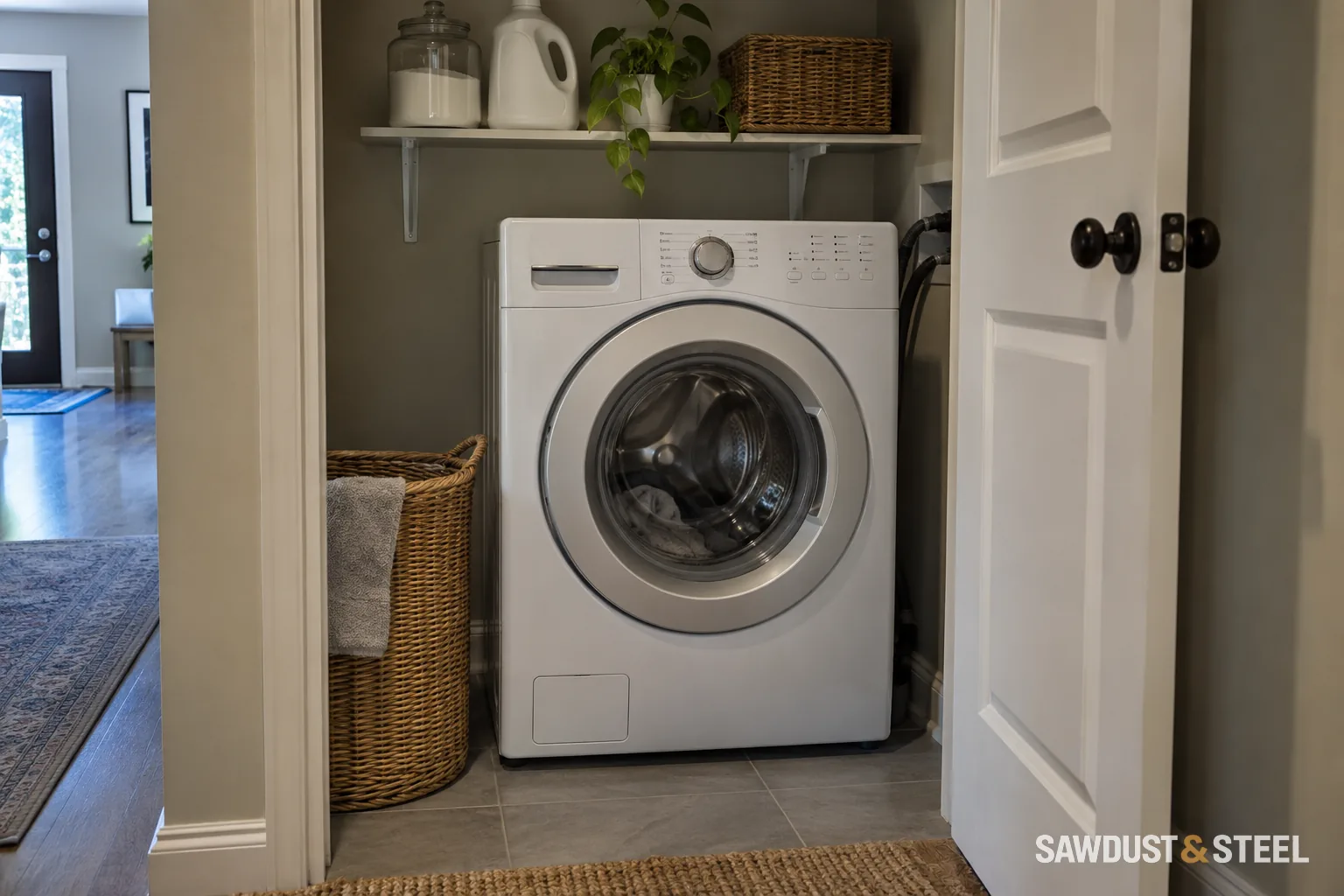
Choose a drying-rack location, a moisture-removal method and a simple before-and-after check without relying on a fan to remove water.
Read the guide
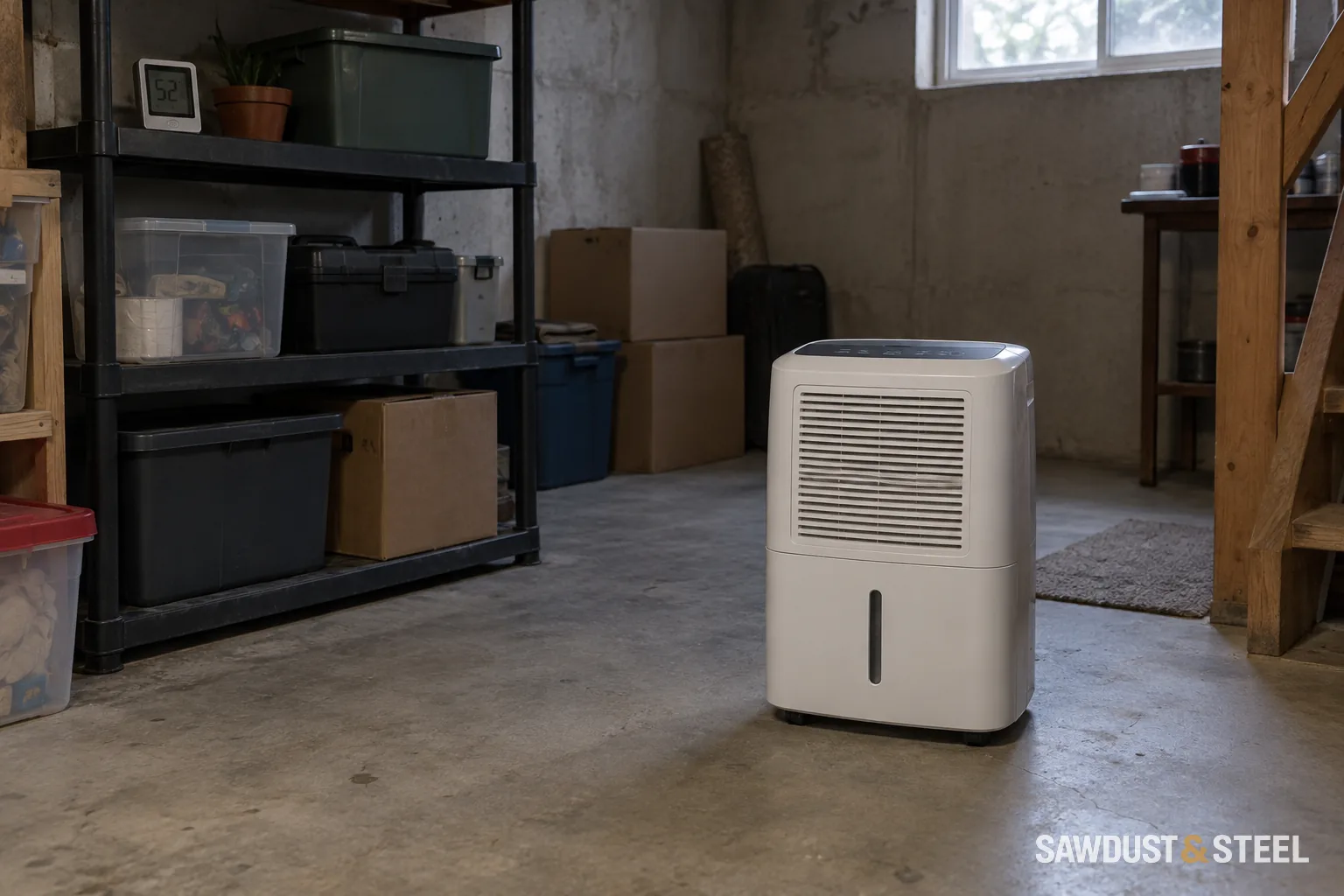
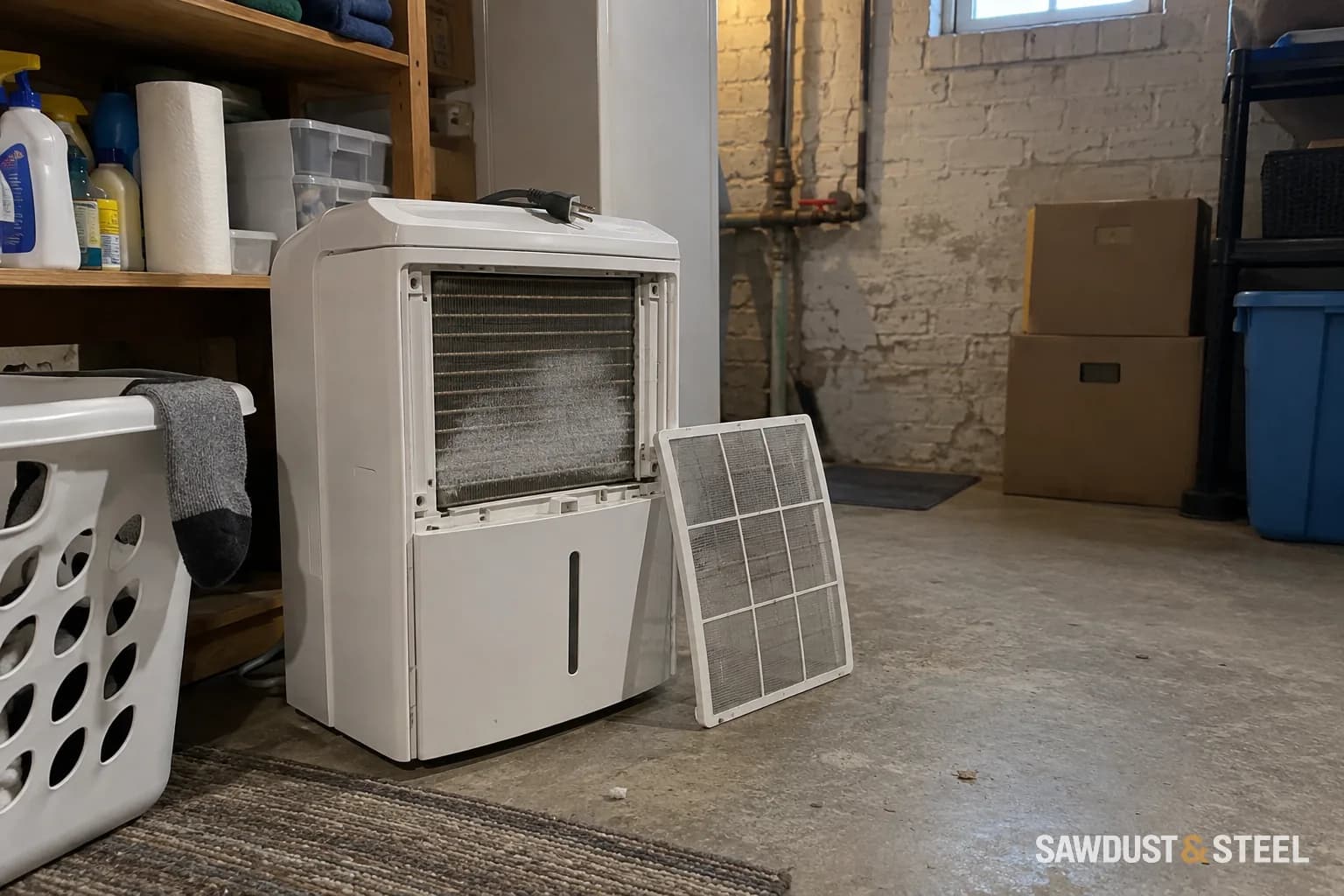
Compare daily water-removal capacity, tank size, temperature limits and room divisions before choosing a basement dehumidifier.
Read the guide
Closed basement curtains can leave glass colder and moisture less visible. Improve room-side airflow while checking humidity and the water location.
Read the guide
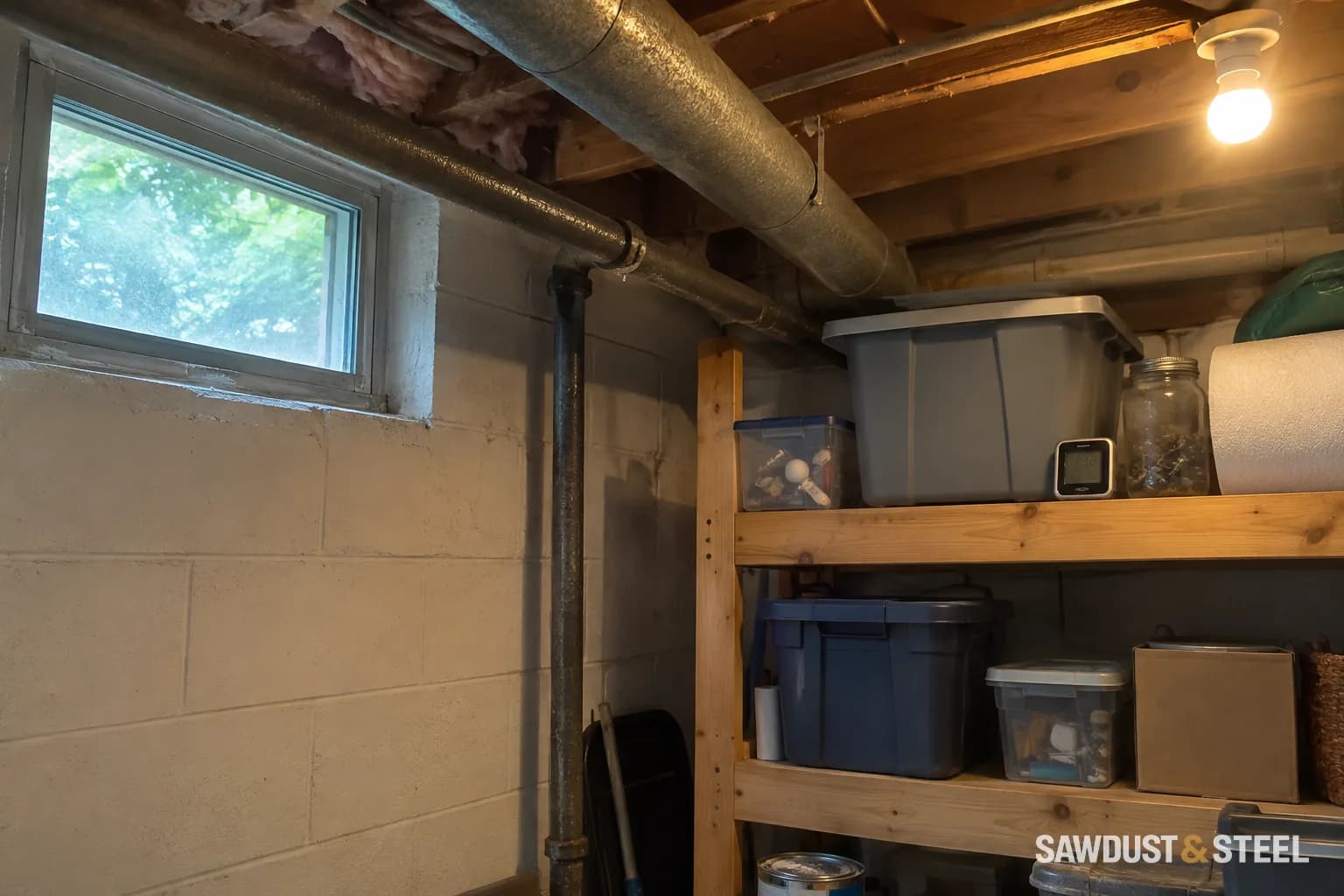
Use raised, inspectable basement storage and dry containers, while resolving the moisture that makes cardboard and crowded corners troublesome.
Read the guide
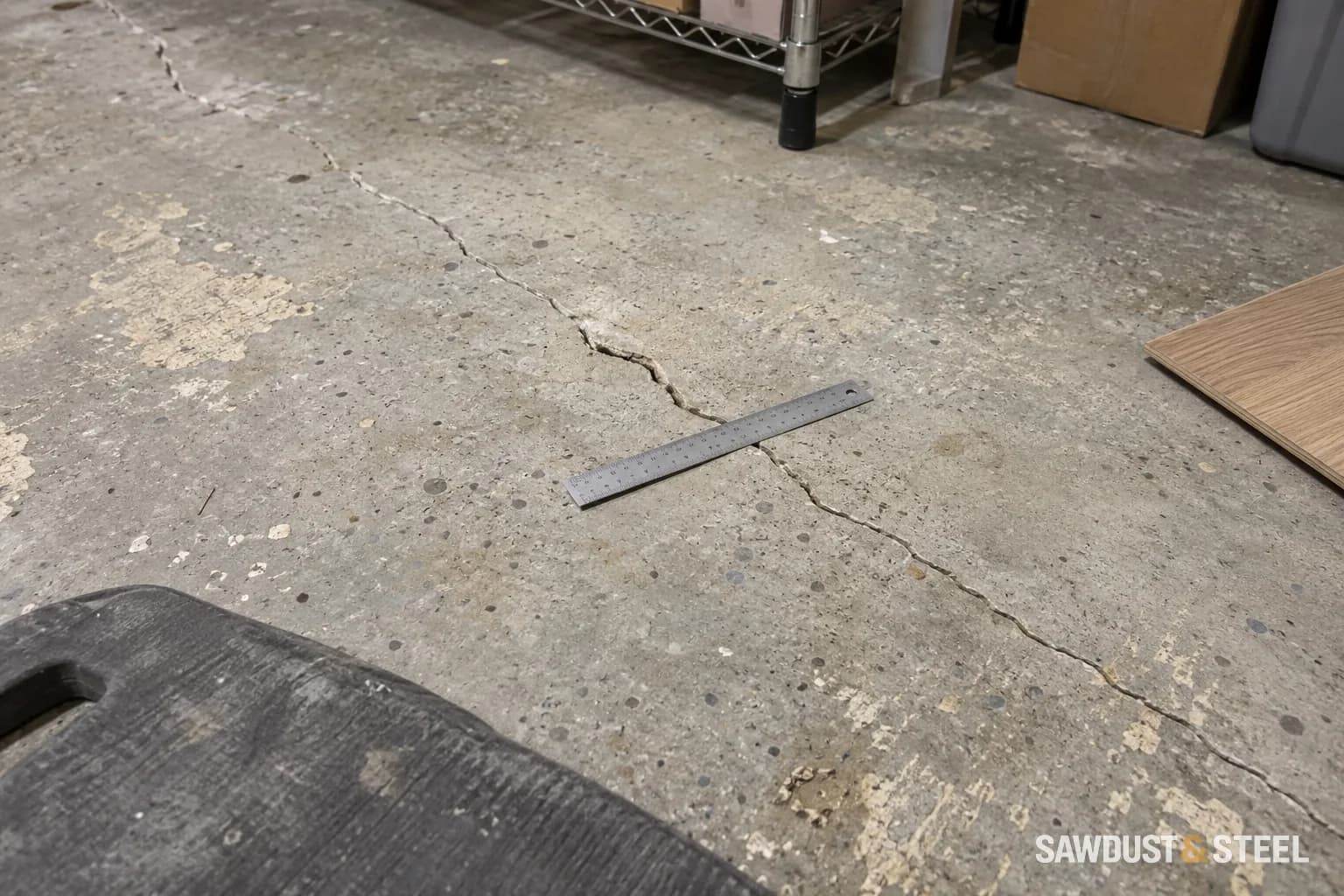
Damp carpet at one basement wall needs a location and timing record. Investigate the water source before covering it with a new floor.
Read the guide