
The houses
In a tight room, details do the heavy lifting: door swings, drawer clearance, a usable stair, and storage at the right depth. Measure the whole route through the house before committing to an island or a wall of cabinetry.
A small footprint can still make a good room. We work on Toronto kitchens, bathrooms, decks, framing, and fitted storage, with attention to the space you have and the neighbours just beyond it.
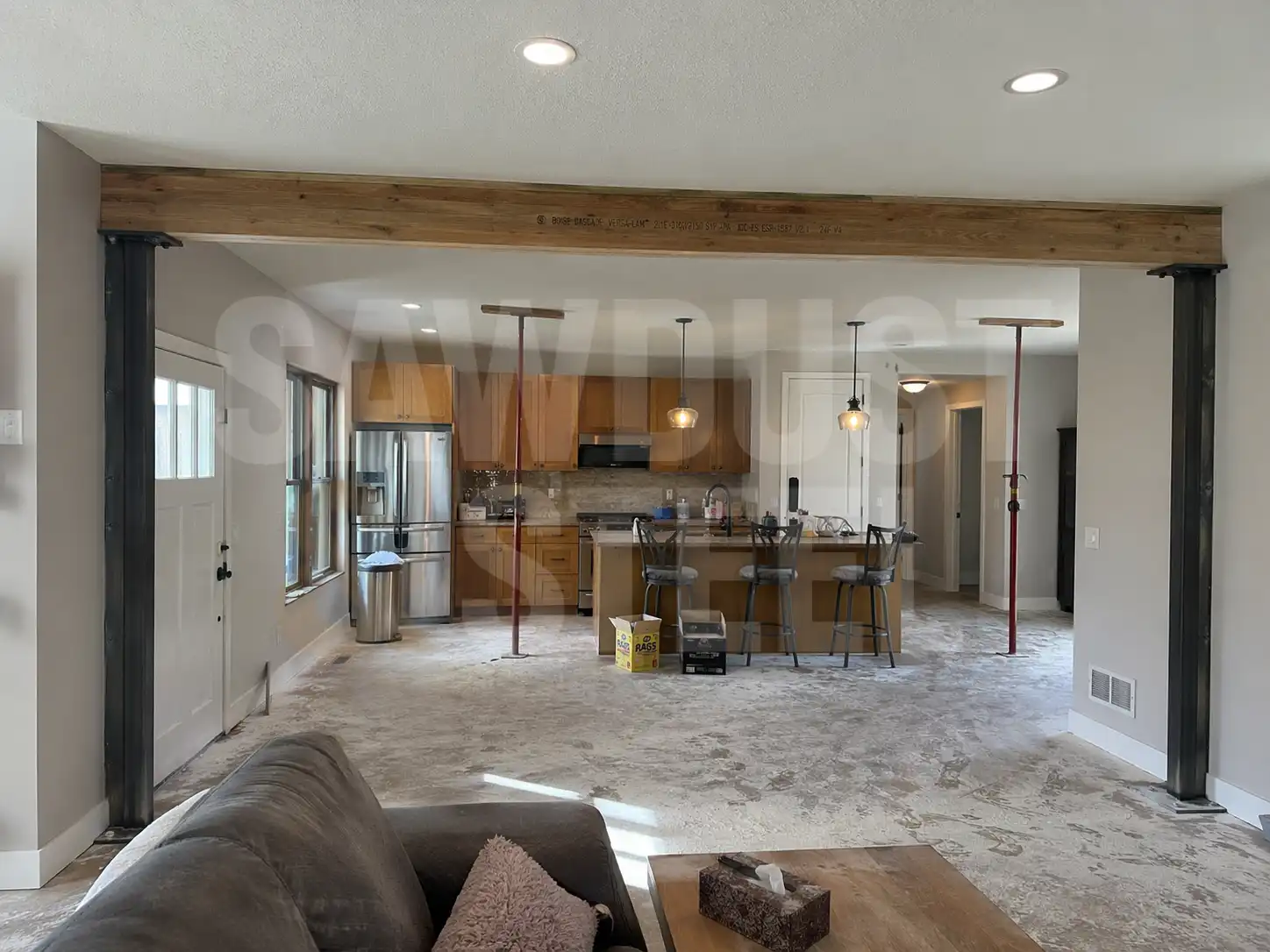
In a tight room, details do the heavy lifting: door swings, drawer clearance, a usable stair, and storage at the right depth. Measure the whole route through the house before committing to an island or a wall of cabinetry.
Side access, shared boundaries, delivery space, and the debris route can shape a Toronto project. Check protected trees and any required permissions before excavation. A building permit does not itself authorize injury or removal of a protected tree.
Review Toronto’s heritage permit guidance where applicable and its tree-protection declaration. Our permit timeline guide separates review targets from the total wait.
Room for dinner. Room to put your feet up. Cedar, composite, and pressure-treated decks shaped around your yard.
Custom Decks & Patios in Toronto →Kitchen RenovationsBetter storage, a layout that flows, and a kitchen you enjoy using. From refacing to a full renovation.
Kitchen Renovations in Toronto →Bathroom RemodelsWalk-in showers, tile, vanities, and thoughtful accessibility upgrades. Built around your morning routine.
Bathroom Remodels in Toronto →Framing & Structural WorkOpen up a room, add space, or repair damaged framing. Start with the structure and build from a clear design.
Framing & Structural Work in Toronto →Finish Carpentry & TrimBuilt-ins, trim, mantels, and fitted storage. The details you notice every day, made to suit your space.
Finish Carpentry & Trim in Toronto →Roofing & SidingRoofing, siding, flashing, and drainage. Find the cause, choose the right scope, and protect the house.
Roofing & Siding in Toronto →Tell us what works, what bothers you, and what you want to change. We review the space and the questions that need answering before a useful quote.
The scope goes in writing: materials, labour, allowances, exclusions, and the planned schedule. You should be able to see what your money is buying.
Agree on access, protection, cleanup, and updates before work starts. If the scope changes, the cost and timing need a clear decision too.
Walk through the finished work together, record anything still to resolve, and review the care instructions and warranty. The final details deserve a proper finish.
Possibly. Confirm the footprint, setbacks, access, foundations, drainage, and required approvals. Send a view of the side passage and yard; getting materials in and waste out is part of the design.
Send your location, wide and close photos, approximate dimensions, and the change you want. Include drawings or a survey if you have them, plus your preferred timing. We can discuss what needs a site visit before pricing.
Ask about current availability with your scope. Design, approvals, material choices, and site conditions affect when construction can start. Confirm the proposed schedule in writing before making household arrangements.
Browse practical guides to layouts, materials, repairs, permits, and the details worth checking before work starts.