
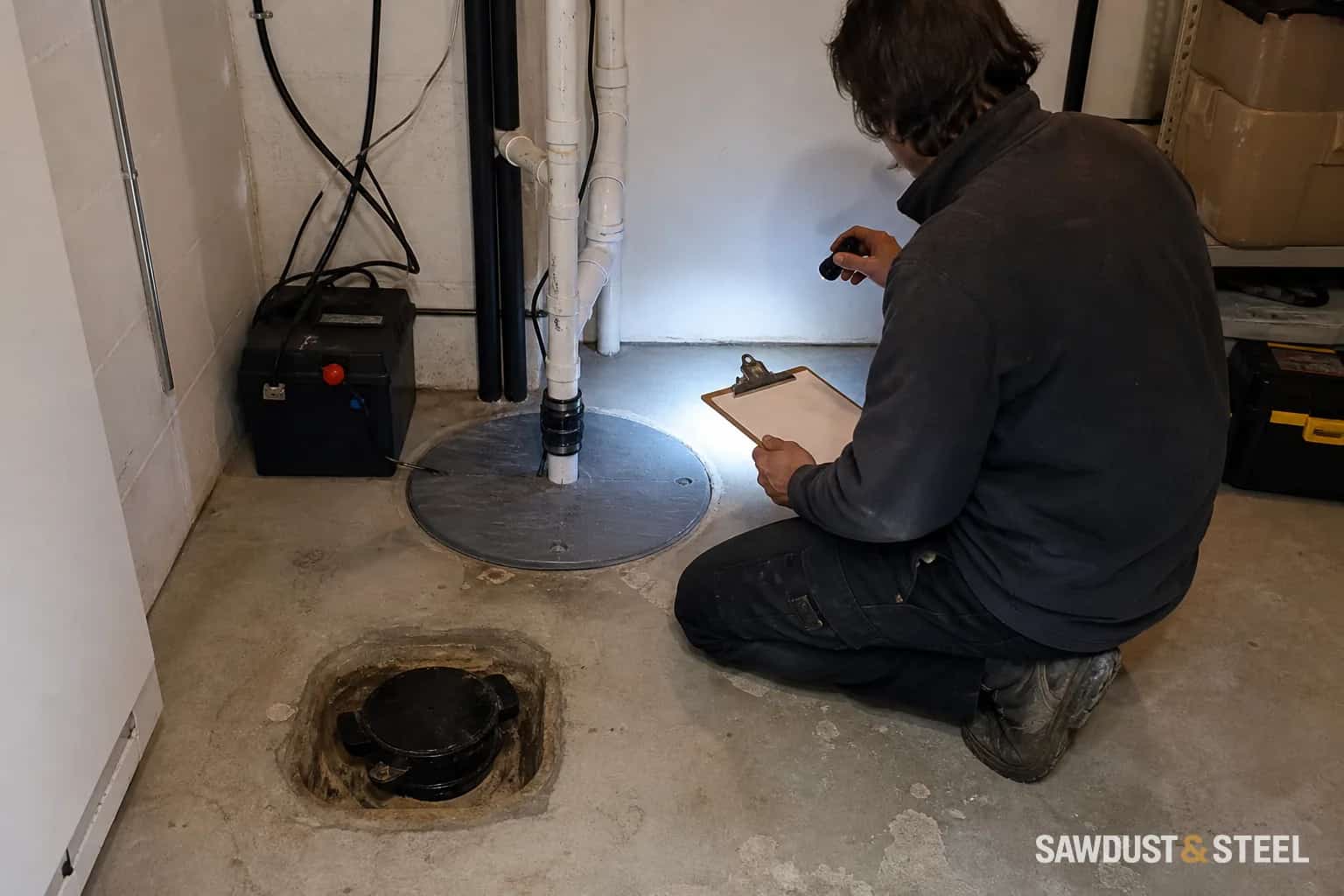
Finding out about a flood-protection rebate after the new basement floor is down is a rotten way to spend an evening. The work might qualify, but missed pre-approval, permits or inspection access can get in the way. Before agreeing to an installation, identify where the water comes from and check the program for your address. Here is the order that keeps the repair and its paperwork moving together.
The current programs are local
| Area | Program snapshot | Important early step |
|---|---|---|
| Toronto | Up to $6,650 total across eligible assessment and protection measures | Review eligibility and obtain the required permit before valve work |
| Halton Region | Separate enhanced subsidies for eligible backwater, sump or drainage work | Confirm property and drainage eligibility, then meet local permit rules |
| Mississauga | Basement Flooding Prevention Rebate for eligible approved measures | City pre-approval is required before installing measures |
Programs change with budgets and flood events. Use the property address to find the live municipal or regional page and download the current terms. Check the terms that apply to your installation date.
Toronto's expanded 2026 program
Toronto's current Basement Flooding Protection Subsidy Program offers up to $6,650 per property for eligible work completed under the program rules. Measures include a home plumbing assessment, up to two backwater valves and alarms, a sump pump and backup power, and eligible severance or capping work.
The page states that backwater-valve work needs a building permit and inspection, and the valve must not be enclosed before inspection. Toronto also requires specified contractor qualifications and complete paid invoices. The $6,650 maximum combines several categories, each with its own limits.
Halton Region's program
Halton Region's current backwater-valve subsidy page says eligible work can receive 50% of invoiced material and labour costs up to $1,600. It requires a municipal permit and passed final inspection, plus evidence about stormwater connections upstream of the valve.
Halton also lists enhanced support for other eligible drainage work, including some weeping-tile disconnection, sump, exterior storm-drain, and lateral work. Eligibility depends on the property, municipal sewer connection, previous subsidies, assessment, location of installation, and documentation. Oakville, Burlington, Milton, and Halton Hills homeowners deal with both the Region's program and their local municipality's permit process.
Mississauga requires pre-approval
Mississauga's Basement Flooding Prevention Rebate says measures installed from February 12, 2025 onward must be pre-approved by the City to be eligible. Covered categories can include sump-pump work, foundation-drain capping, downspout disconnection, and a storm-lateral backwater valve under the current terms.
For a Mississauga basement we were preparing to finish, the plumber's installation slot arrived before the owner's pre-approval email. We postponed the installation until the required approval arrived and moved the framing delivery to follow the plumbing work and inspection. The owner kept the approval, device details, inspection record and itemized paid invoice together, and we left the service opening on the floor plan. That is the unphotogenic part of a good basement job. Do not substitute Toronto's checklist for Mississauga's, or Halton's for either; the eligible devices and paperwork differ.
What the plumbing assessment should answer
- Where sanitary, storm, foundation-drain, downspout, and sump connections actually go.
- Whether the lateral is shared, damaged, blocked, backgraded, or vulnerable to surcharge.
- Whether a backwater valve is suitable and where it can remain accessible.
- Whether closing a valve during a storm would trap drainage from upstream fixtures or foundation systems.
- How the sump discharges, where backup power comes from, and what happens during a long outage.
- How grading, window wells, downspouts, and exterior drainage affect surface water.
A camera inspection, dye test, drainage survey, or other investigation may be needed. Have the plumber trace the connections before choosing equipment.
Backwater valve basics
A backwater valve is designed to stop reverse flow through a drainage line. It needs the correct approved type, orientation, location, access, and upstream-connection arrangement. When it closes, wastewater from the house may not be able to leave through that line. Occupants need to know what the alarm means and which fixtures they must stop using while the valve is closed.
Keep the access cover visible, inspect and clean the device at the manufacturer and program intervals, and replace worn parts. Allow access in the finished floor plan so the valve can be serviced.
Sump pump and backup basics
Size the pump and pit for the actual inflow and discharge route. Provide a check valve, safe electrical supply, accessible lid, alarm, and backup strategy appropriate to the risk. A battery backup has a finite run time and needs testing and replacement.
Coordinate electrical work through ESA where required. If the basement will become living space or a secondary unit, design access and maintenance before walls, cabinetry, or flooring make every service point mysterious. Our secondary-suite guide covers the larger code picture.
A rebate-safe project sequence
- Photograph and document the existing problem without entering unsafe or contaminated water.
- Check the current address-specific program, previous subsidy history, and application deadline.
- Get the required assessment and pre-approval before work where the program requires it.
- Use the required licensed or qualified contractor and obtain the permit.
- Leave work exposed for inspection and keep model information and photographs.
- Obtain final inspection sign-off and a fully paid, itemized invoice.
- Submit the complete application and keep copies of everything.
No subsidy can guarantee a dry basement. Combine the right plumbing measures with grading, roof drainage, foundation and window-well maintenance, alarms, insurance review, and a plan for power outages. Together, these measures reduce risk and give you more warning when something goes wrong.