
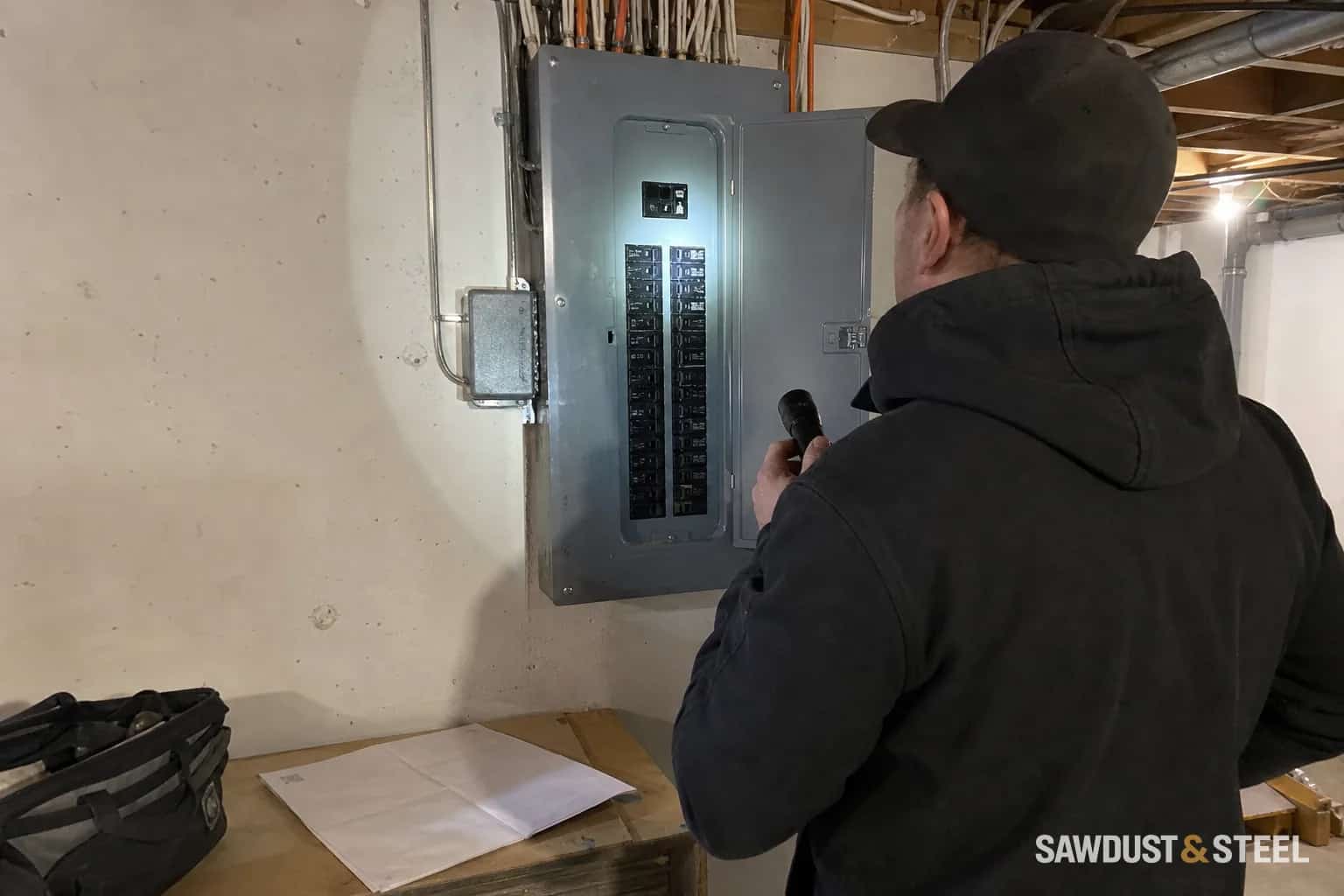
The drywall is booked, the wires are in, and someone says the permit is sorted. Before those walls close, ask which permit. In Ontario, the municipality handles Building Code matters and ESA handles electrical work under the Ontario Electrical Safety Code. You may need both: a building permit does not cover electrical work. The useful check is simple: ask your electrical contractor for the notification number and confirmation that ESA has permitted the work to be covered.
What an ESA notification actually does
An ESA notification of work is the filing people often call an electrical permit. Think of its number as the reference for this particular job. It creates a permanent record and starts ESA’s review, which may involve site inspections or another authorized review method. Keep the number with your renovation paperwork so you can ask about the right work later.
ESA says almost all electrical work must be reported. It lists a residential-renovation notification for changes to original wiring, including repairs and replacement of devices. Limited owner-occupied replacement work may be exempt, so call ESA for the exact scope before relying on an exemption.
Who files it
| Situation | Who files | Homeowner check |
|---|---|---|
| You hire electrical work | The Licensed Electrical Contractor | Verify its 7-digit ECRA/ESA licence number |
| A general contractor manages the renovation | The Licensed Electrical Contractor hired for the electrical scope | Ask for the electrical business name, licence number, and notification number |
| A homeowner legally performs work in their own home | The homeowner doing the work | Confirm eligibility and notification requirements with ESA first |
If you hire someone, ESA says the business must be a Licensed Electrical Contractor. A person being an electrician or Master Electrician does not by itself authorize a separate business to offer electrical work to the public. ESA's contractor guidance says the licensed business carries a seven-digit ECRA/ESA number. Verify that number in the ESA directory.
Never take out an owner notification on behalf of a hired person. ESA explicitly says the person doing the work files it. Making the homeowner the applicant for somebody else's paid work muddies responsibility and can leave the wrong person holding defects after everyone has packed up.
When to file and when work can be covered
For planned renovation work, the notification should be filed before work starts. ESA's notifications and inspections page says electrical installations cannot be concealed before permission from ESA. Coordinate rough review before drywall, tile backer, insulation, or cabinetry closes the view. Confirm the review stage before booking the ceiling or wall finishes.
- Put the electrical contractor and licence number in the renovation contract.
- Ask for the notification number before the electrical rough-in begins.
- Confirm who calls when rough and final stages are ready.
- Do not cover wiring until the notification holder has ESA permission.
- Hold the electrical closeout item open until the final ESA document arrives.
What the Certificate of Acceptance proves
After the notified installation is accepted, ESA issues a Certificate of Acceptance to the notification holder. Ask the Licensed Electrical Contractor for a copy and keep it with the permit, drawings, panel schedule, appliance manuals, and warranty records. ESA describes it as important for insurance, resale, and peace of mind.
The certificate relates to the work under that notification. It does not certify all existing wiring in the house. Read the scope and address, then save the PDF somewhere more durable than one person's text-message history.
What if the contractor cannot give you the certificate?
Ask the notification holder for the Certificate of Acceptance for your address and the completed scope. If you cannot get a copy from the contractor, ESA's official certificate page directs you to its Access to Information form. Follow the current form's submission instructions and provide the requested project details. If the form link is unavailable, contact ESA through that page for the current records-request process. Keep the notification number and contractor information handy so the request identifies the right work.
A records request does not arrange an inspection or turn unfinished work into accepted work. If you do not know whether the notification was filed or closed, ask ESA about the status and next step. A contractor's invoice is useful paperwork, but it is not the missing certificate.
Common renovation scopes that need coordination
- Kitchen circuits, receptacles, lighting, appliance connections, and service-capacity changes.
- Bathroom GFCI protection, fan wiring, lighting, and electric floor heat.
- Basement apartment circuits, interconnected alarms, panels, and metering decisions.
- Exterior receptacles, deck lighting, sheds, pools, hot tubs, and landscape wiring.
- EV chargers, heat pumps, electric water heaters, solar, and energy storage.
On an induction conversion, the cabinet drawings were almost ready when the electrical contractor asked for the cooktop model and the existing panel details. That check went ahead before we released the oven cabinet. It was a useful pause: a new appliance can change the electrical scope even when its front looks the same size. Have the contractor assess the proposed loads early and identify any utility work. Cabinet delivery day is a poor time to discover that the power-supply schedule is longer than the kitchen schedule.
A clean homeowner closeout
At handover, collect the notification number, Certificate of Acceptance, final panel directory, equipment manuals, and any required utility or manufacturer commissioning record. For kitchens, coordinate this with the range hood and makeup-air plan. For the whole project, use the milestone and paperwork checks in our Ontario renovation quote guide.