
Bathrooms, thoughtfully planned4 min read
Does This Bathroom Grout Need Sealing?
Identify cement, epoxy or ready-to-use grout before sealing, and understand what a grout sealer can and cannot protect.
Read the guideGuides 13-24 of 31 · Page 2 of 3
Identify cement, epoxy or ready-to-use grout before sealing, and understand what a grout sealer can and cannot protect.
Read the guide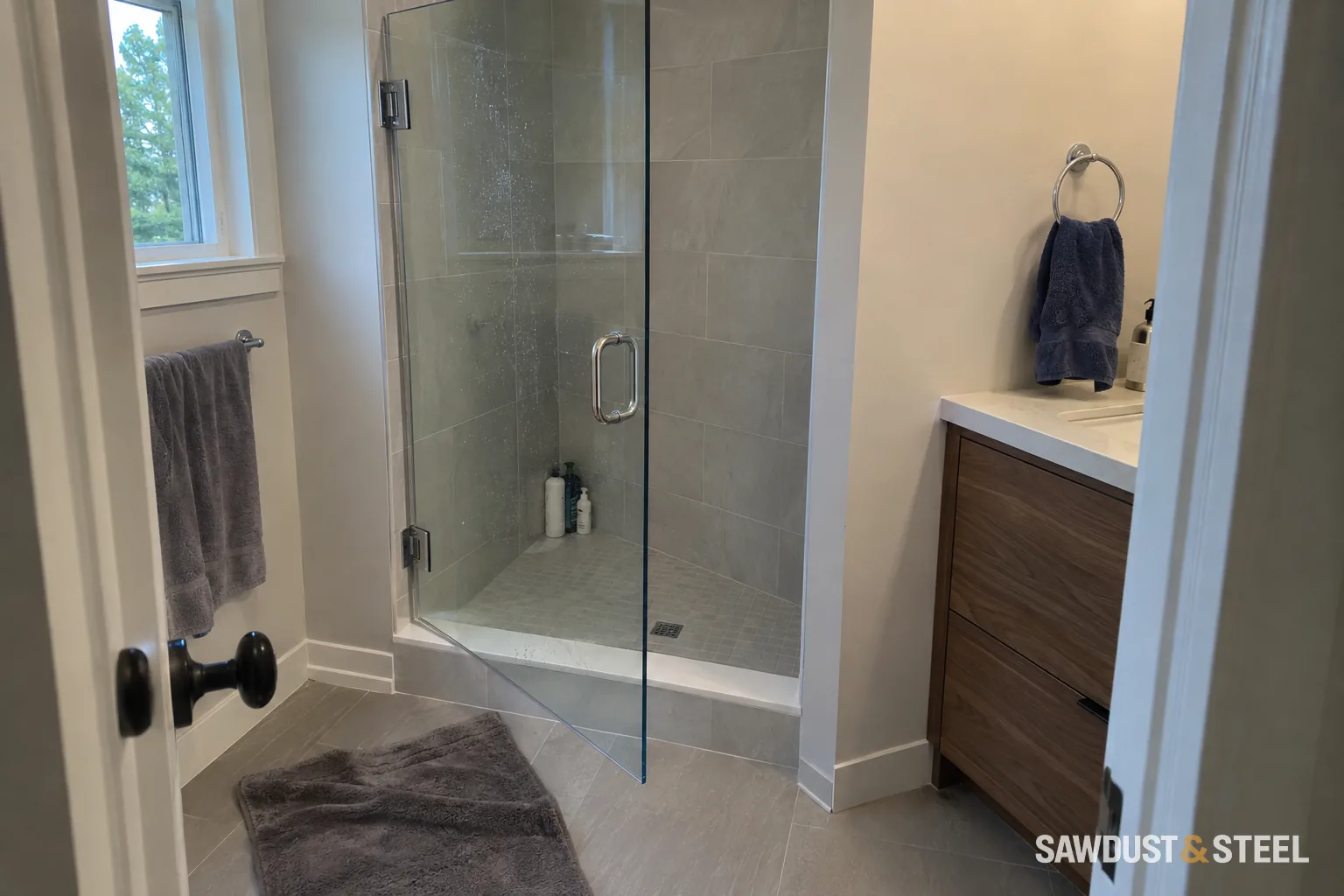
Identify the shower glass coating and nearby materials before treating mineral marks with a stronger cleaner.
Read the guide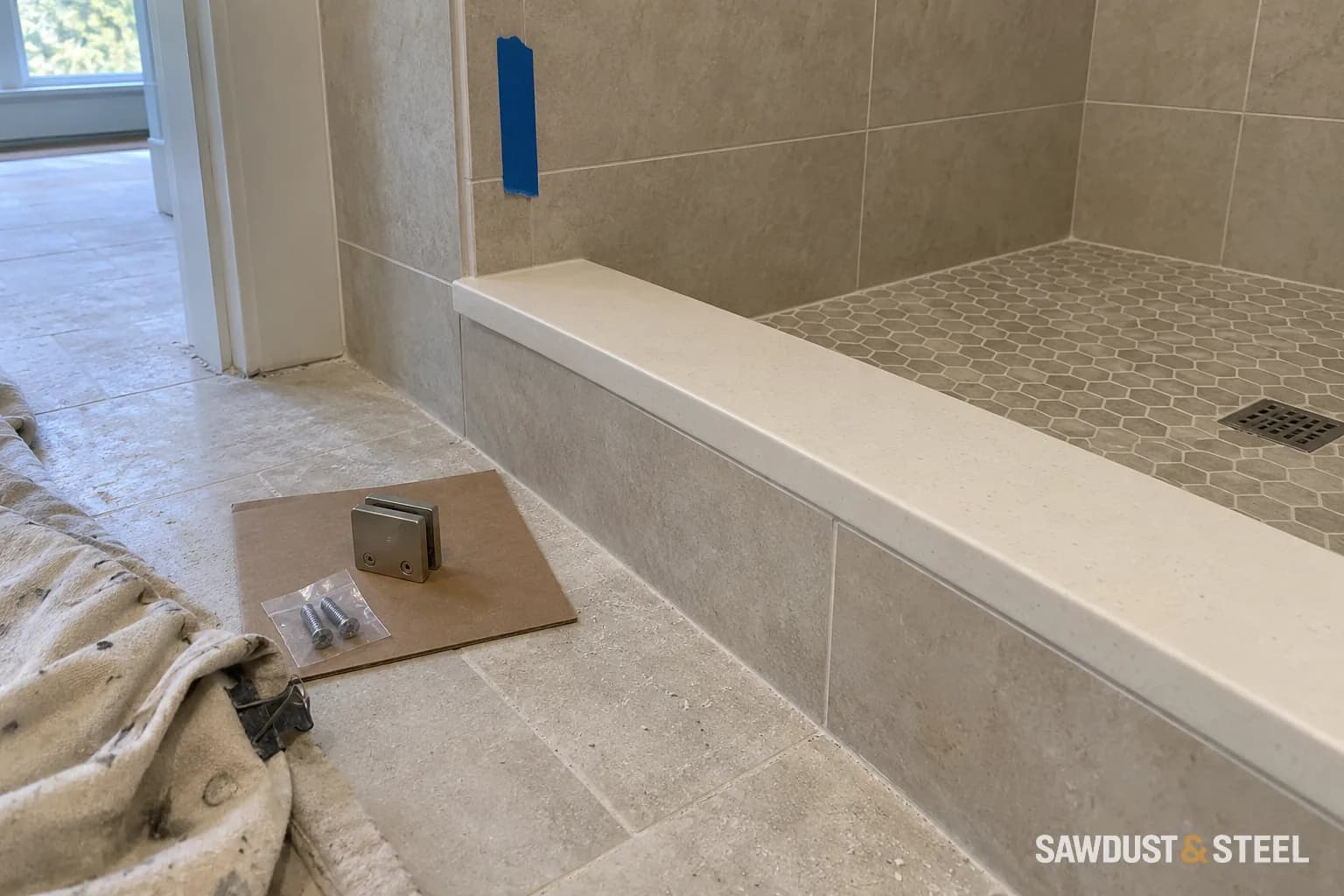
Investigate soft or dusty new bathroom grout using the product, mixing record and cure conditions before applying a sealer.
Read the guide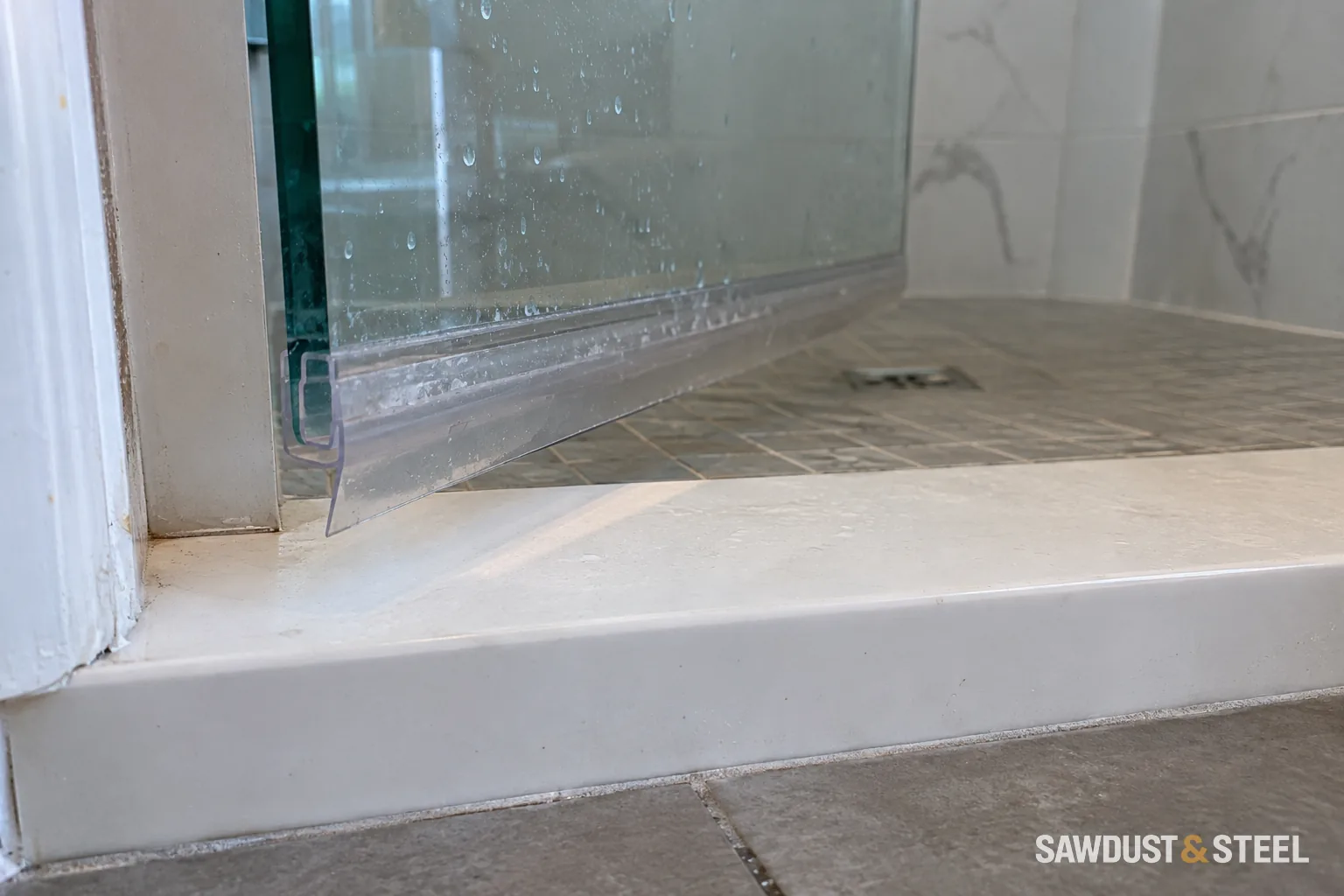
Trace water under a shower door to sweep condition, orientation, alignment or spray direction before adding more silicone.
Read the guideMock up a handheld shower slide bar for reach, spray direction and hose travel, then match its fixing detail to the wall.
Read the guideTell grout residue, efflorescence and damaged tile apart before using a haze remover on a new bathroom floor or shower.
Read the guide
The brass handle in your shopping cart may look perfect. The brass valve inside the wall still gets a vote.
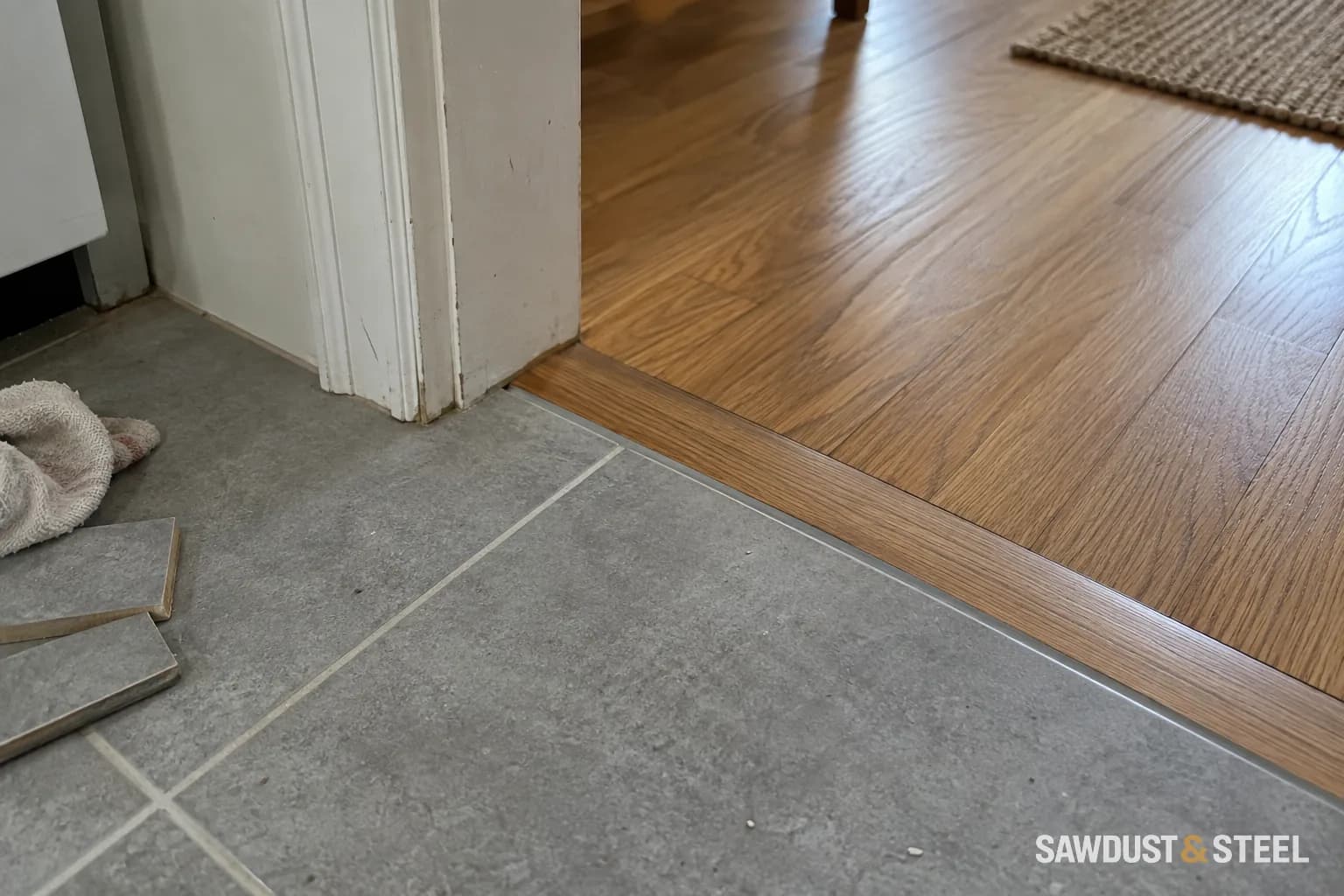
Read the guideThe same tile can run through two rooms, but the joint detail still matters. Resolve movement, floor heights, and the doorway before setting tiles.
Read the guideThe tile looked flat in the shop. On the floor, one edge has started introducing itself to your socks. Here is what to check.
Read the guideTiling over existing bathroom tile can save demolition, but only when the old assembly is suitable. Check adhesion, cracks, waterproofing, and finished height.
Read the guideA marble-look sample does not reveal the cleaning routine. Compare natural stone and porcelain through the exact material, finish, and products you will use.
Read the guide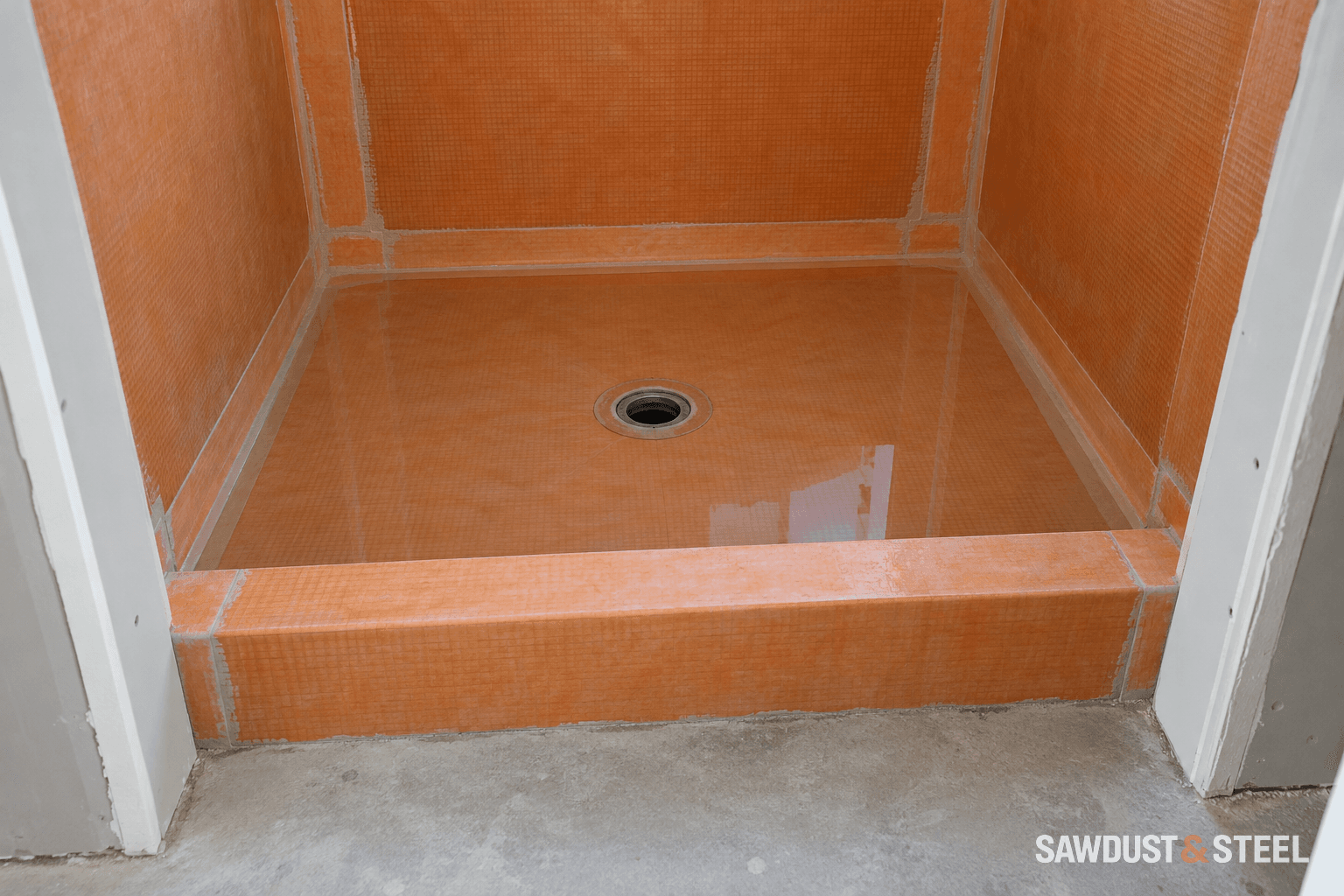
A water test can reveal shower waterproofing defects before finishes conceal them. Coordinate curing time, the test method, and any inspection with the installer.
Read the guide