Can a Wall Parallel to the Joists Still Carry a Load?
Joist direction is a clue, not permission to remove a wall. Trace the roof, floors, concentrated loads, and previous alterations before planning demolition.
Read the guideGuides 1-11 of 11
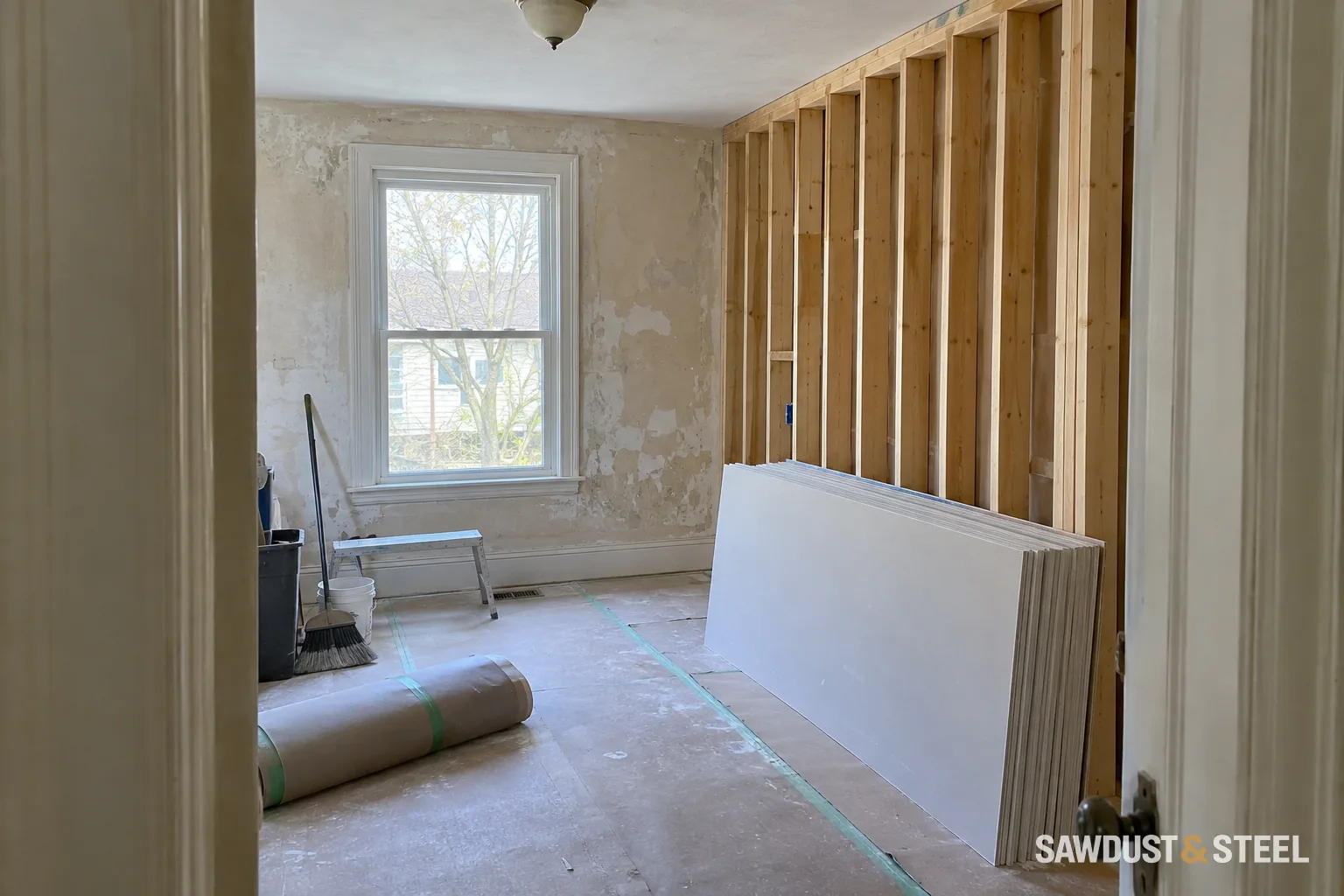
Joist direction is a clue, not permission to remove a wall. Trace the roof, floors, concentrated loads, and previous alterations before planning demolition.
Read the guide
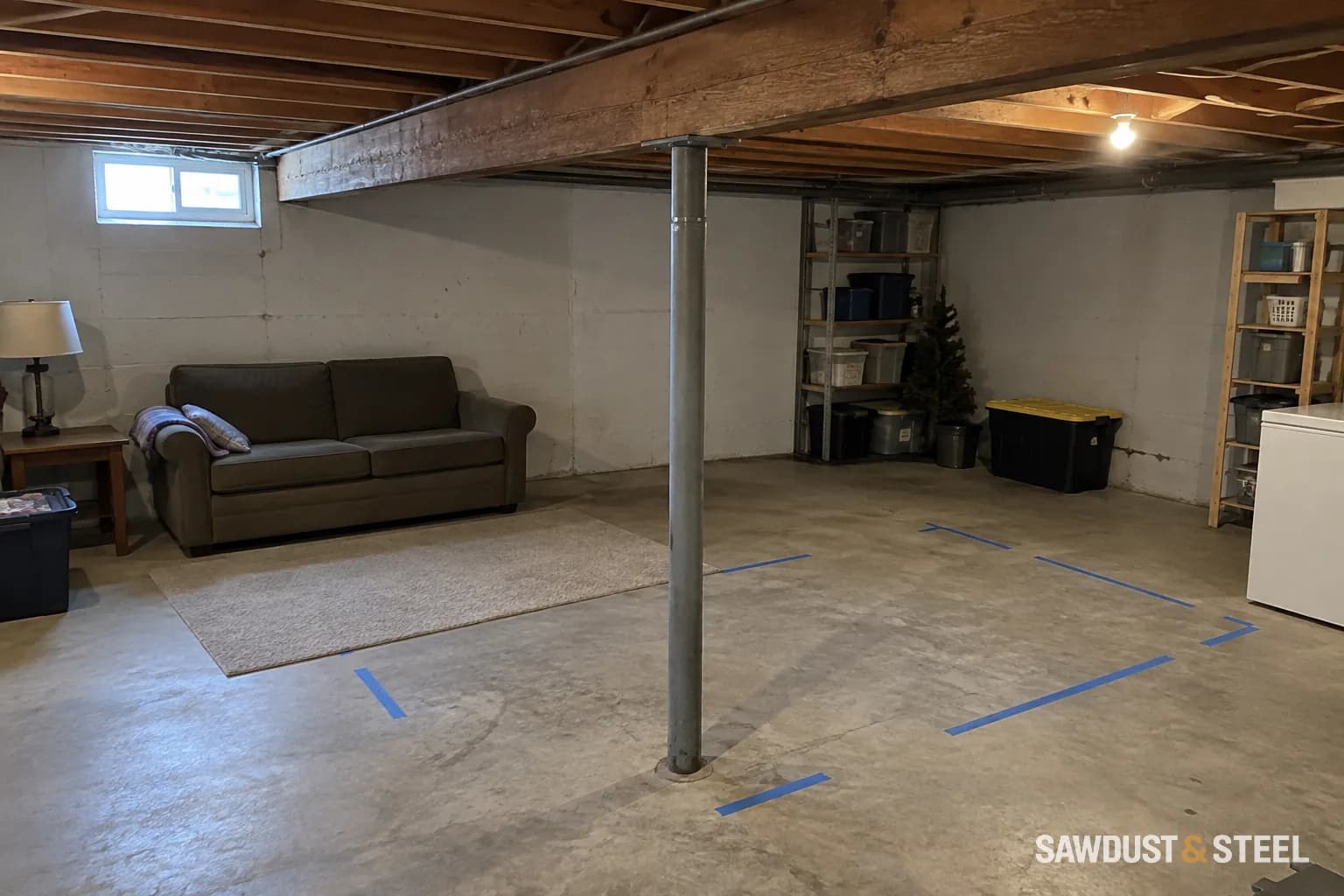
Test a compact box or useful partition with real furniture before relocating a column. Moving it can change the beam reactions, connections and footing work, so compare a complete structural scope with the retained-column layout.
Read the guide
A wider garden door can change the header, wall supports, exterior finishes, and threshold. Compare the complete opening before ordering the door.
Read the guide
Temporary support is a distinct stage of load-bearing wall removal. Understand the sequence, responsibility, and questions that belong in your contractor’s scope.
Read the guide
A small hole can still need a specific engineered-wood detail. Check product identification, permitted locations, and approval before drilling an LVL or PSL beam.
Read the guide
The beam disappears from view. The work needed to make that happen may move into the floor above.
Weigh the options
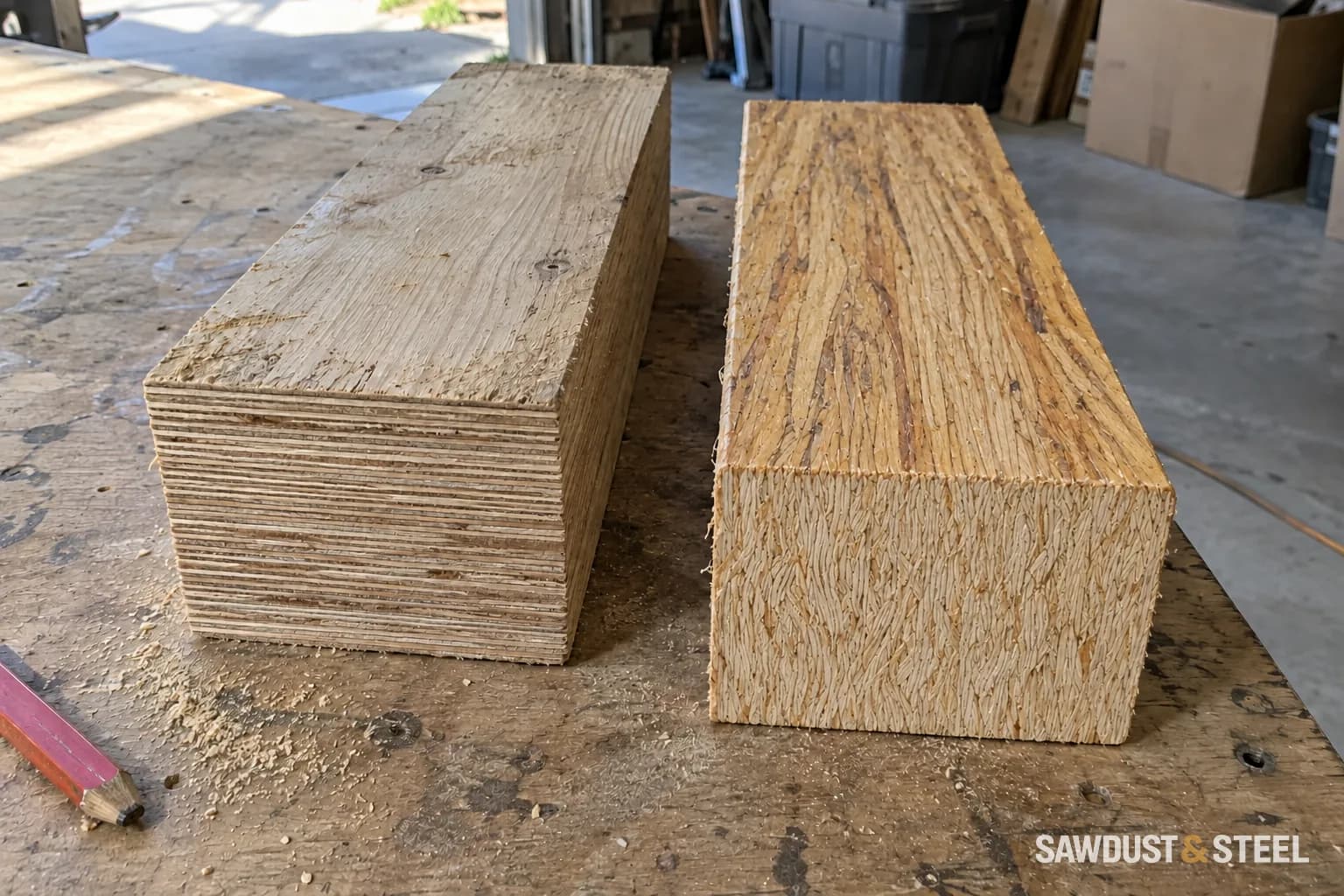
PSL and LVL are both engineered wood, but beam dimensions, handling, connections, and appearance can change the renovation around them.
Read the guide
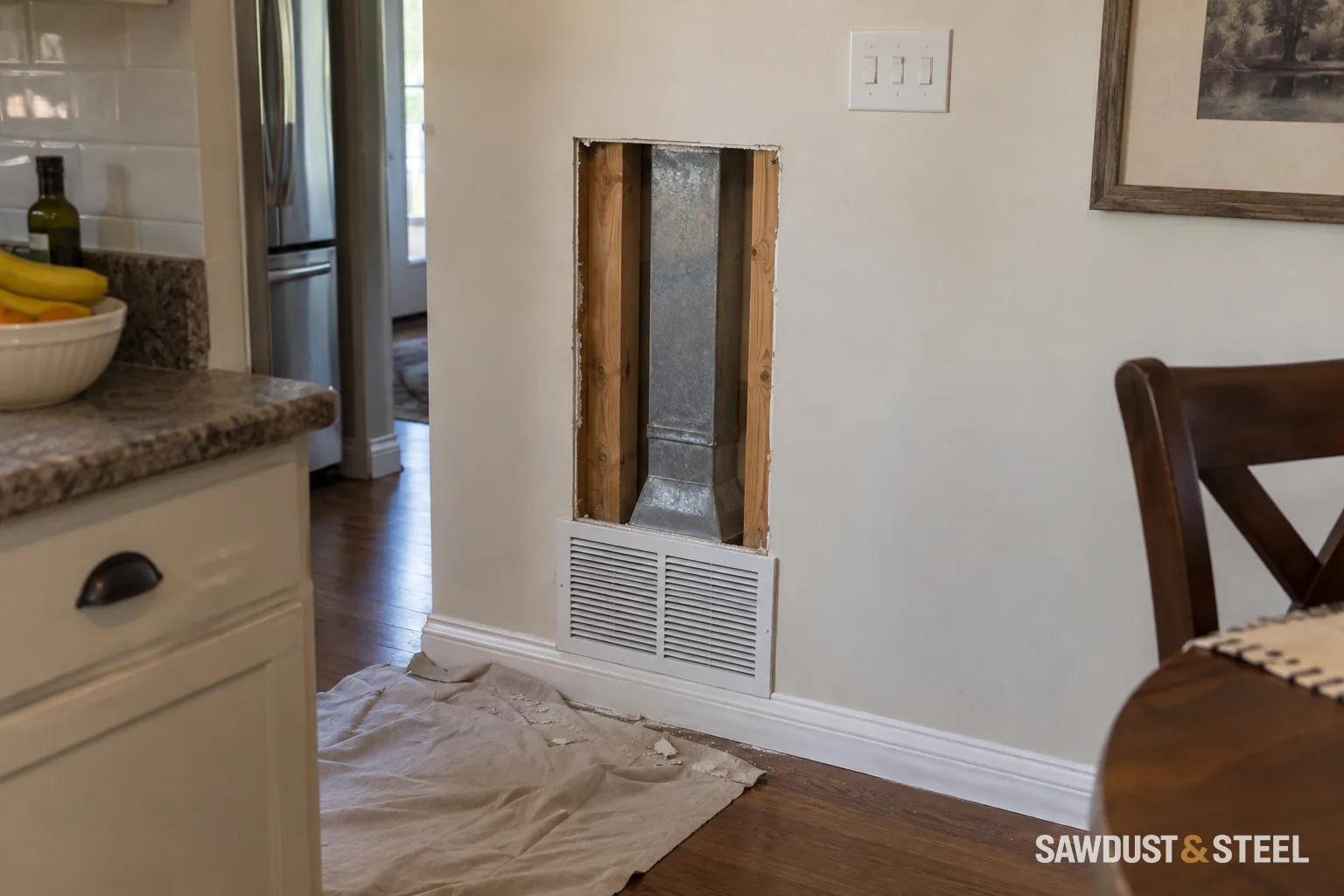
Removing a wall can interrupt heating and cooling even when the new beam works. Plan return-air routes alongside the structural opening.
Read the guide
A beam concentrates loads at its ends. Learn why a kitchen wall-removal quote may include posts, footings, and repairs one floor below.
Read the guide
Choose among engineer-approved LVL, steel and glulam options using the complete load path, depth, connections and finish. Confirm the whole delivery route before ordering and compare approved alternatives with temporary access work.
Read the guide
Compare a useful partial opening with full removal before designing the structure. Richmond Hill requires permits for renovations and material alterations; non-load-bearing walls still need services, hazardous-material investigation and floor/ceiling repairs planned.
Read the guide