

Planning, permits & budgets3 min read
Ontario Home Renovation Contract Checklist
Use this signing checklist to confirm scope, payments, changes, approvals, and warranty terms before the renovation begins.
Read the guideGuides 37-48 of 51 · Page 4 of 5
Use this signing checklist to confirm scope, payments, changes, approvals, and warranty terms before the renovation begins.
Read the guide
Check which rebate path fits your heat pump, insulation, window, solar, or attic project before booking the work.
Read the guide
An inspector cannot approve what is already buried. Here is the practical sequence from open framing to final records, with responsibilities and timing made clear.
Read the guide
A good sketch explains an idea. A permit drawing takes responsibility for it. Here is when to call a BCIN designer, architect, or structural engineer.
Read the guide
A project can meet the Building Code and still be too close to the lot line, inside a regulated flood area, or missing another approval. Check the property constraints before finalising the design.
Read the guide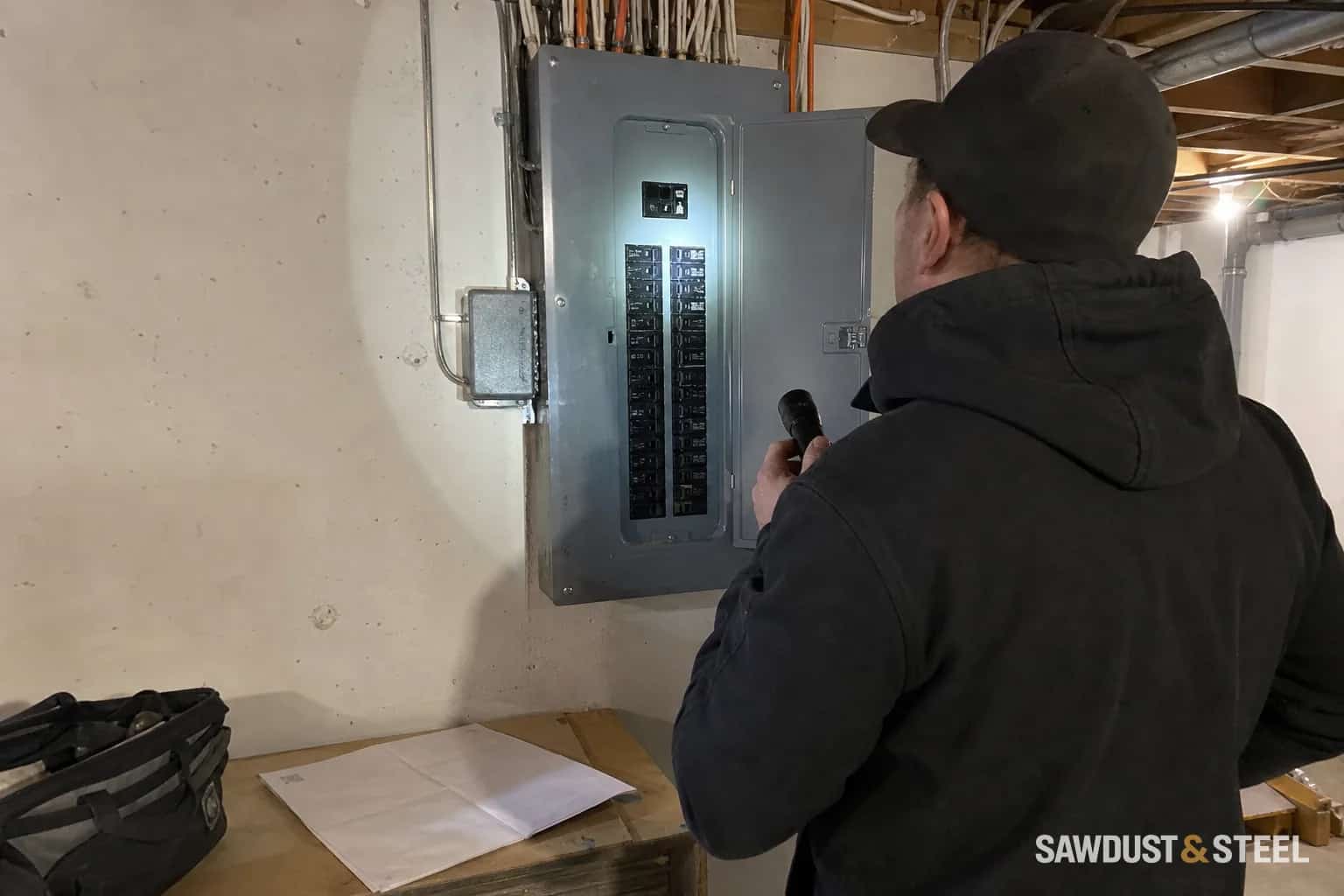
A municipal building permit does not cover electrical work. Here is who files with ESA, what stays visible, and which final document belongs in your house file.
Read the guide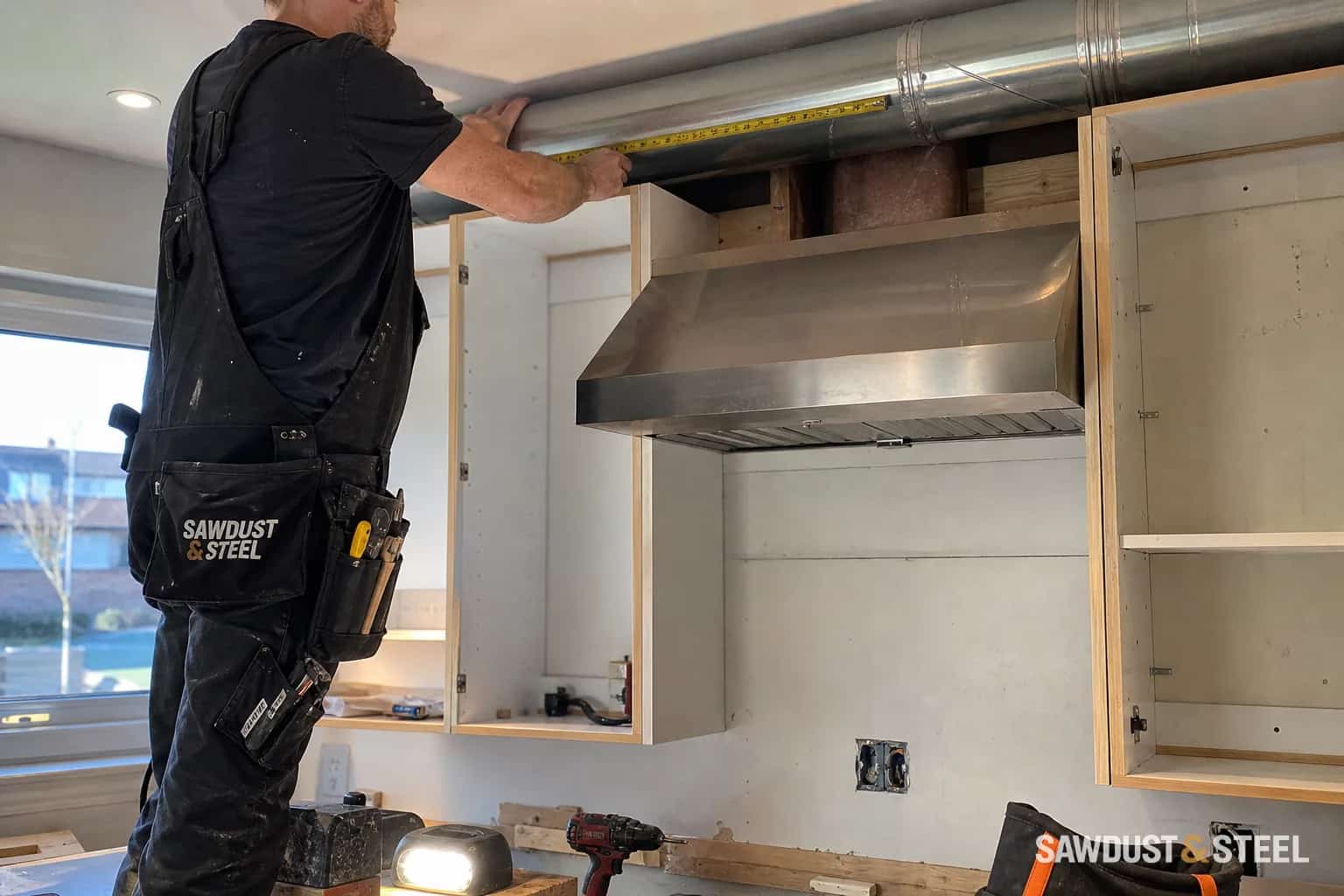
Check the gas contractor, appliance approval, and installation records. Plan ventilation and clearances before the cabinets are built.
Read the guide
A contingency is your reserve for uncertainty, not a contractor bonus or a second finish budget. Size it from the risks the quote cannot yet resolve.
Read the guide
The lowest total is rarely the whole story. Here is how to read scope, allowances, exclusions, payment terms, permits, tax, and change-order language before a renovation starts.
Read the guideMost Ontario renovation work is taxable at 13%. Here is how to check the math, verify the supplier, keep useful records, and spot the rare rebate situation.
Read the guide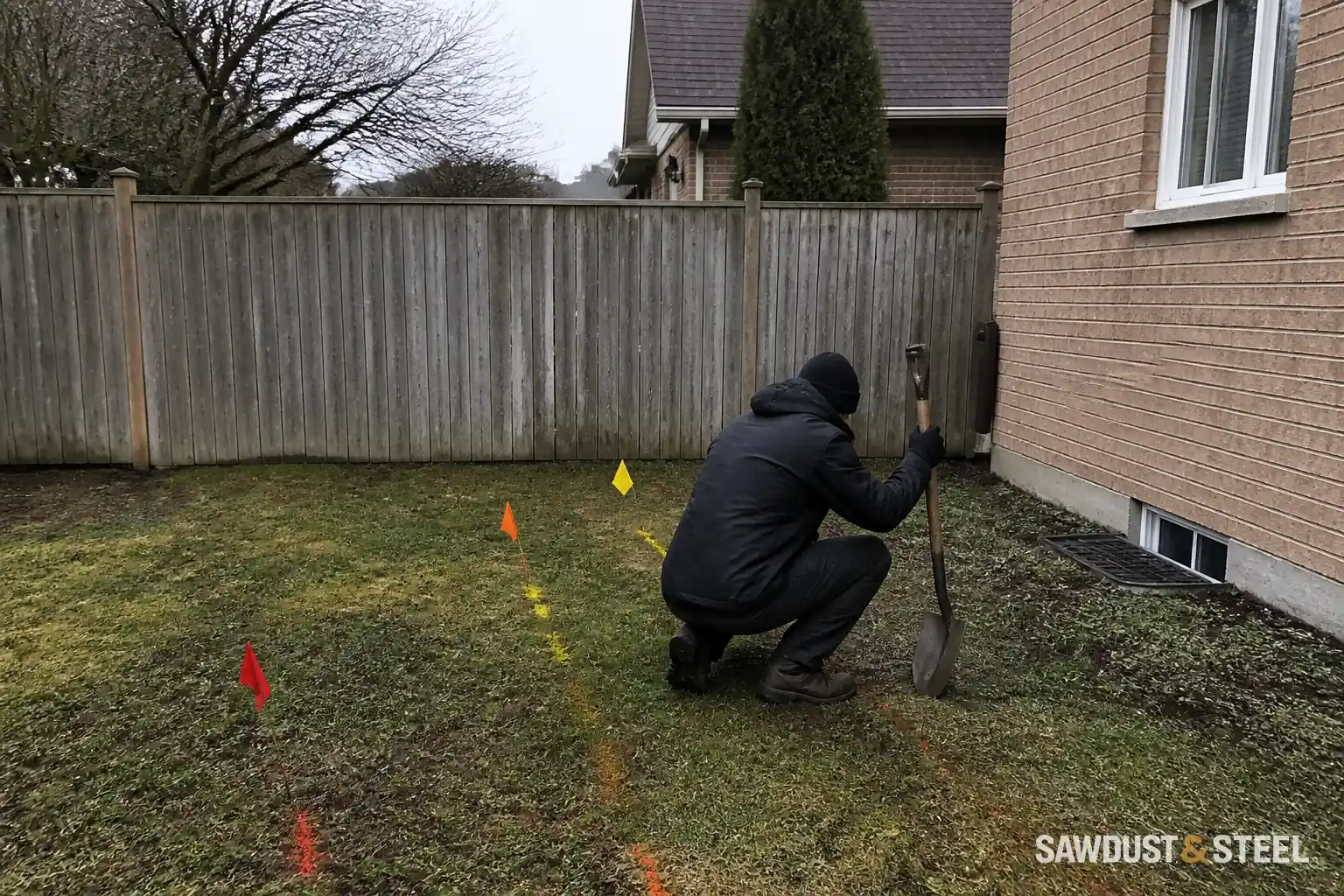
Deck post, fence post, tree, trench: if soil is moving, request the locate first. The flags are free. Wait for every response before starting.
Read the guide
The statutory holdback protects against construction lien exposure. It is not the deposit, not the contingency, and not an informal quality-control fund.
Read the guide