
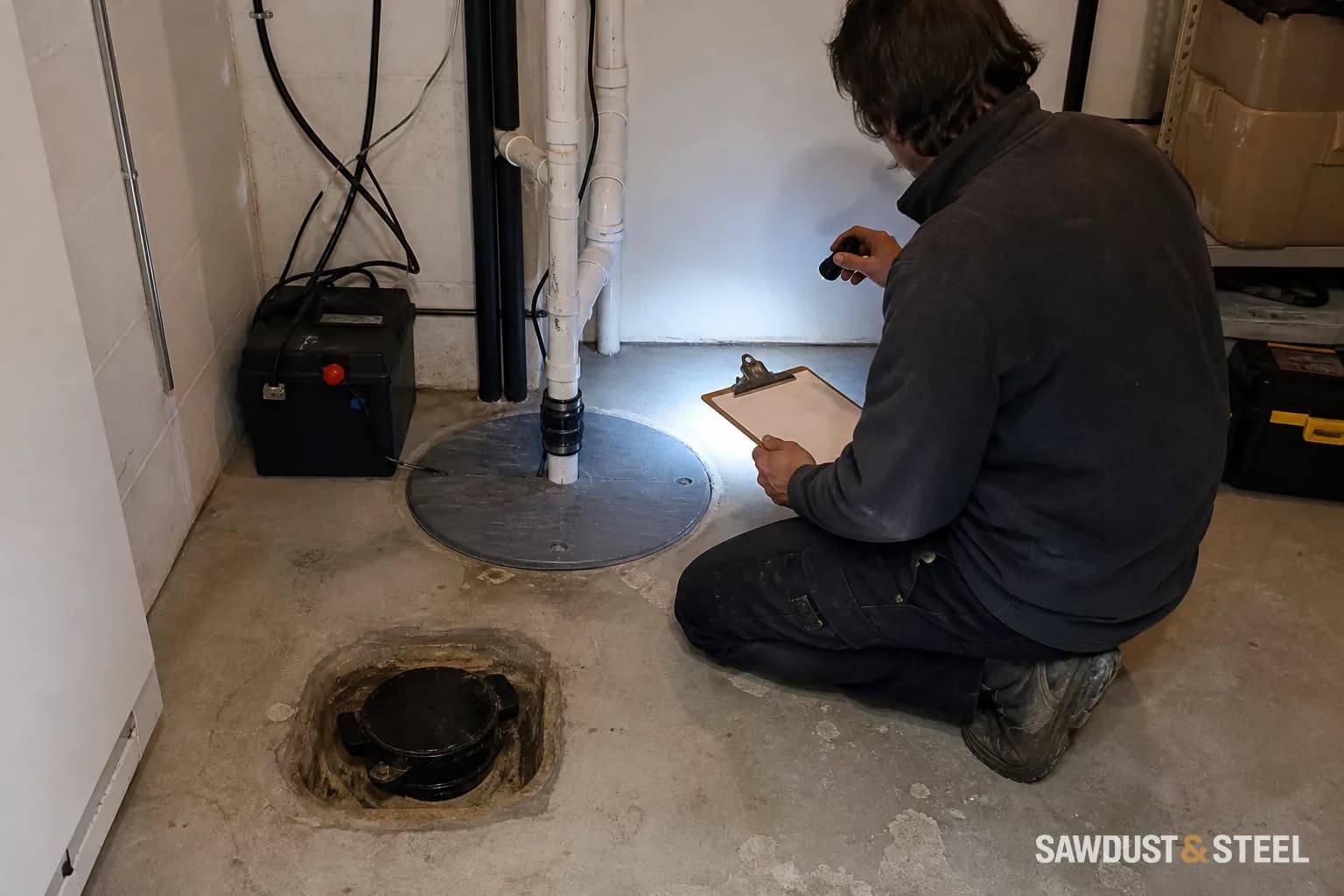
A basement we measured on a dry Tuesday looked ready for framing. After the next heavy rain, the owner sent a photograph of a dark strip along the floor edge. We held the materials order and went back to trace the water; the clean-looking wall had only told us what it did in dry weather. Keep dated photos of the wet area and the outside drainage conditions, then have the cause assessed. Resolve the source and verify the repair before insulation, flooring and drywall hide the evidence. Being ready to choose paint is not quite the same as being ready to finish a basement.
Look for the cause, not just the wet spot
Natural Resources Canada's basement retrofit guide says leaks, dampness, efflorescence, blistering paint, and mould should be corrected before interior insulation. It also notes that interior finishes can hide developing moisture. Start outside with eavestroughs, downspouts, grading, window wells, and obvious foundation defects, then inspect plumbing, the slab, sump system, and walls inside.
- Map staining, white mineral deposits, musty odours, peeling coatings, cracks, and damp floor edges.
- Check during or just after rain. A dry-weather visit may miss intermittent leaks.
- Treat an active or changing crack as a structural question before calling it a waterproofing detail.
- Test the sump, alarms, discharge route, and backup plan where a sump is part of the system.
Interior and exterior work solve different problems
Exterior excavation can address water at the outside face of the foundation and may include membrane, drainage, insulation, and grading work. Interior drainage can collect and direct water that reaches the inside perimeter. Crack repair, sump work, plumbing backflow protection, window-well drainage, and humidity control each have narrower jobs. The right assembly depends on where water enters and where it can safely go.
The finish-safe order
- Document conditions through meaningful weather.
- Correct roof drainage, grading, plumbing, foundation, and sump problems that apply.
- Obtain required permits and any subsidy pre-approval before work, then complete inspections at the required construction stages.
- Let repaired assemblies dry and verify performance.
- Design insulation, framing, services, and flooring around the moisture strategy.
Toronto also recommends grading away from the foundation in its current basement flood prevention guidance. If the pump is cycling rapidly or the well is holding water, diagnose the sump pattern or window-well path before the wall closes. If drainage upgrades are part of the plan, check our GTA basement flooding subsidy guide before signing. If the space will become habitable, settle the basement permit, insulation assembly, and radon test before the walls close.
A damp patch can leave useful clues before demolition. Follow the checks for water stains at a carpet edge, then plan basement storage that keeps cardboard away from damp surfaces.
Compare the water route and keep a repair record
Ask each contractor to draw where water starts, where the proposed work intercepts it and where it discharges. Two quotations headed waterproofing may describe very different work. Record access constraints such as a narrow side yard, a porch, utilities or a finished neighbouring wall; these affect the practical options without proving one method is always better.
Keep a dated record through the conditions that previously produced water. Photograph the same wall sections, floor perimeter and exterior drainage points. Note rainfall or snowmelt, visible wetting, indoor humidity and any pump operation. Have the contractor specify the moisture checks appropriate to the substrate and planned finish. A dry-looking surface on handover day is not a universal pass for adhesive, timber or insulation.
Before framing, retain the repair scope, discharge arrangement, maintenance instructions and photographs of concealed work. If the old symptom returns, stop the finishing sequence and ask for reassessment. Do not convert a promised drying period into permission to conceal unresolved moisture.
| Option | What it can address | What to confirm |
|---|---|---|
| Exterior repair/drainage | Water at the outside foundation surface | Excavation access, utilities, membrane, drainage destination and restoration |
| Interior collection/drainage | Water collected at the inside perimeter | Collection detail, sump/discharge, access and pump maintenance |
| Localized repair | A specific crack, pipe or window-well problem | Evidence that the identified defect explains the water |
| Humidity control | Airborne moisture and condensation conditions | Humidity readings and whether liquid-water entry also exists |
White powder on a basement wall: investigate efflorescence
You brush the basement wall clean, move the shelving back, and find the same white powder after the next wet week. Before buying paint, photograph the patch. The useful question is where the moisture came from, not how quickly you can hide the mark.
Treat the deposit as evidence
Natural Resources Canada lists efflorescence among signs of foundation dampness and advises resolving moisture before interior insulation. Photograph its location and recurrence. A surface that appears dry on inspection day may still have a moisture history worth investigating.
Do not leap from a mark to a whole-house solution
Check the wall's relationship to exterior grading, downspouts, cracks, and known leaks with an appropriate contractor. Ask which observation supports the proposed repair. A mineral deposit alone does not tell you whether an interior measure or excavation is needed, nor does it identify every white material on a wall.
Record recurrence without guessing at white growth
Efflorescence is a mineral deposit left as moisture moves through masonry and evaporates. Colour alone cannot establish that every white patch is mineral salt. Fuzzy growth, odour, damaged materials or uncertainty deserve assessment before brushing or sanding. Health Canada's moisture and mould guide includes white salt deposits among moisture clues and distinguishes moisture control from simply cleaning a surface.
Mark each affected wall section on the room sketch. Record the date, recent rain or thaw, whether the area is visibly damp, the extent of the deposit and whether it returns after an agreed cleaning method. Keep the same camera position and a scale reference. Recurrence helps target investigation; neither recurrence nor a single dry reading identifies the exact outside entry point. Have the substrate and finishing system assessed before covering it.
Before covering a wall with recurring deposits
- Record the mark before cleaning.
- Compare it after rain and seasonal changes.
- Resolve the moisture cause before enclosing the wall.
Leave the affected patch visible while the cause and repair are being checked. Shelving can wait; opening a finished wall again is a less convenient way to inspect it. Include the sump discharge route in the drainage review.