
Decks & outdoor living3 min read
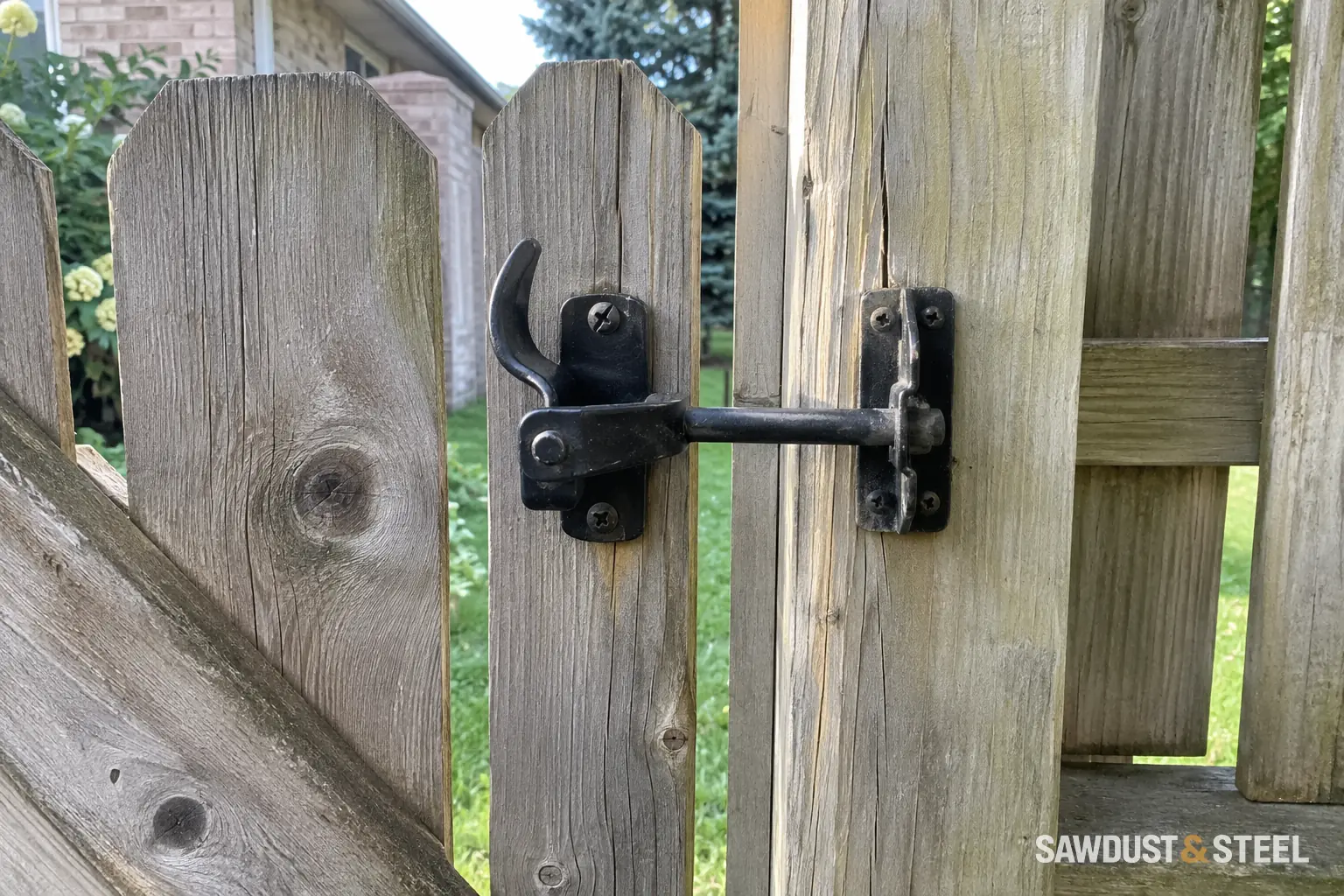
A Pool Gate Must Close and Latch Reliably
Watch the gate through its full movement.
Read the guideGuides 25-36 of 94 · Page 3 of 8
Watch the gate through its full movement.
Read the guide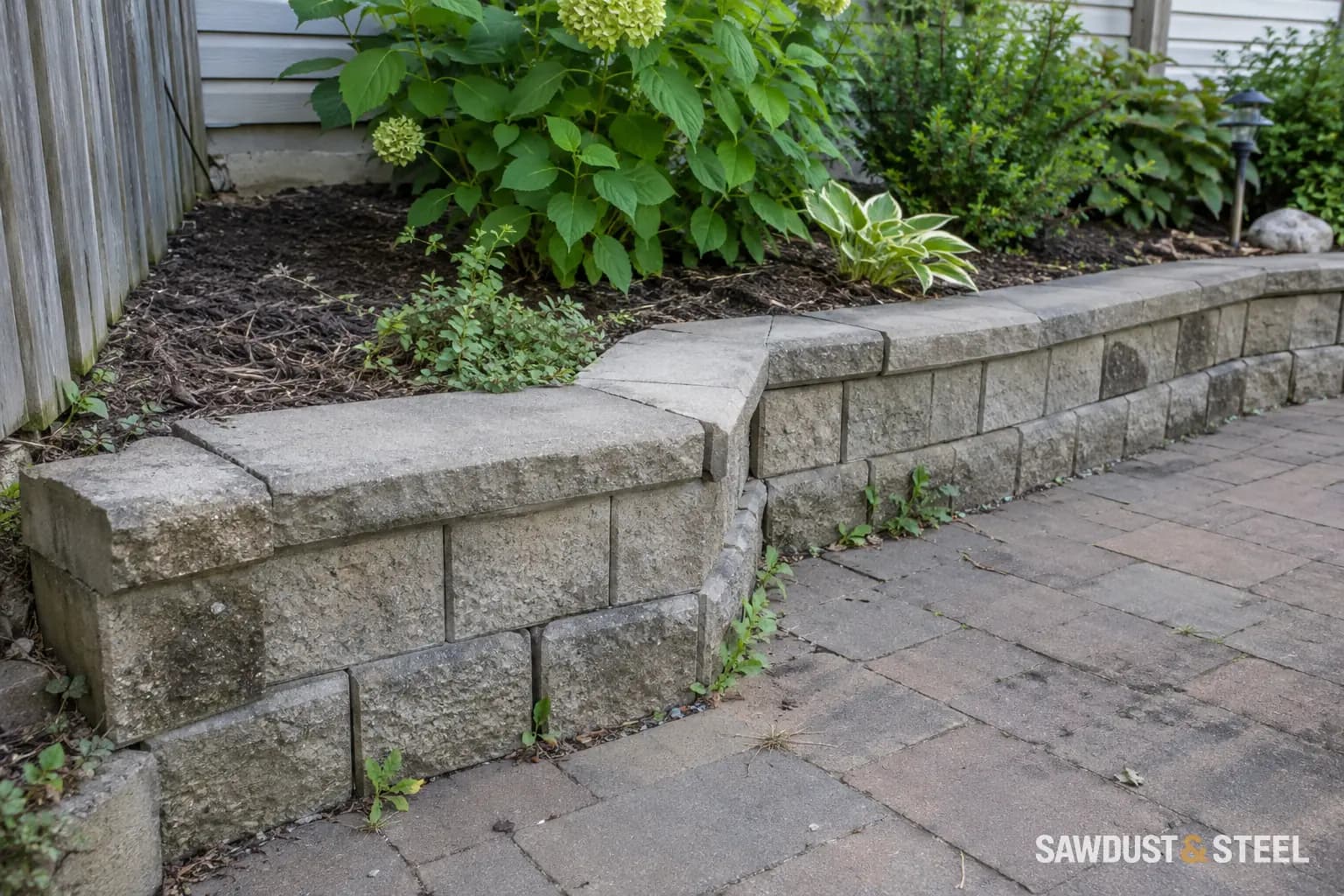
Some segmental walls are designed to step back into the slope, so an inclined face is not automatically failure.
Read the guideClose the gate slowly and note whether the latch hits low, sideways or both.
Read the guideMeasure bins at their widest point, the mower with its normal handles attached and any trailer or garden cart you use.
Read the guideYou can replace one fence panel when the posts and rail connections that support it are sound. Inspect the bay on each side first. Fresh boards between a loose post and a rotten rail end will look repaired until the next strong wind.
Read the guide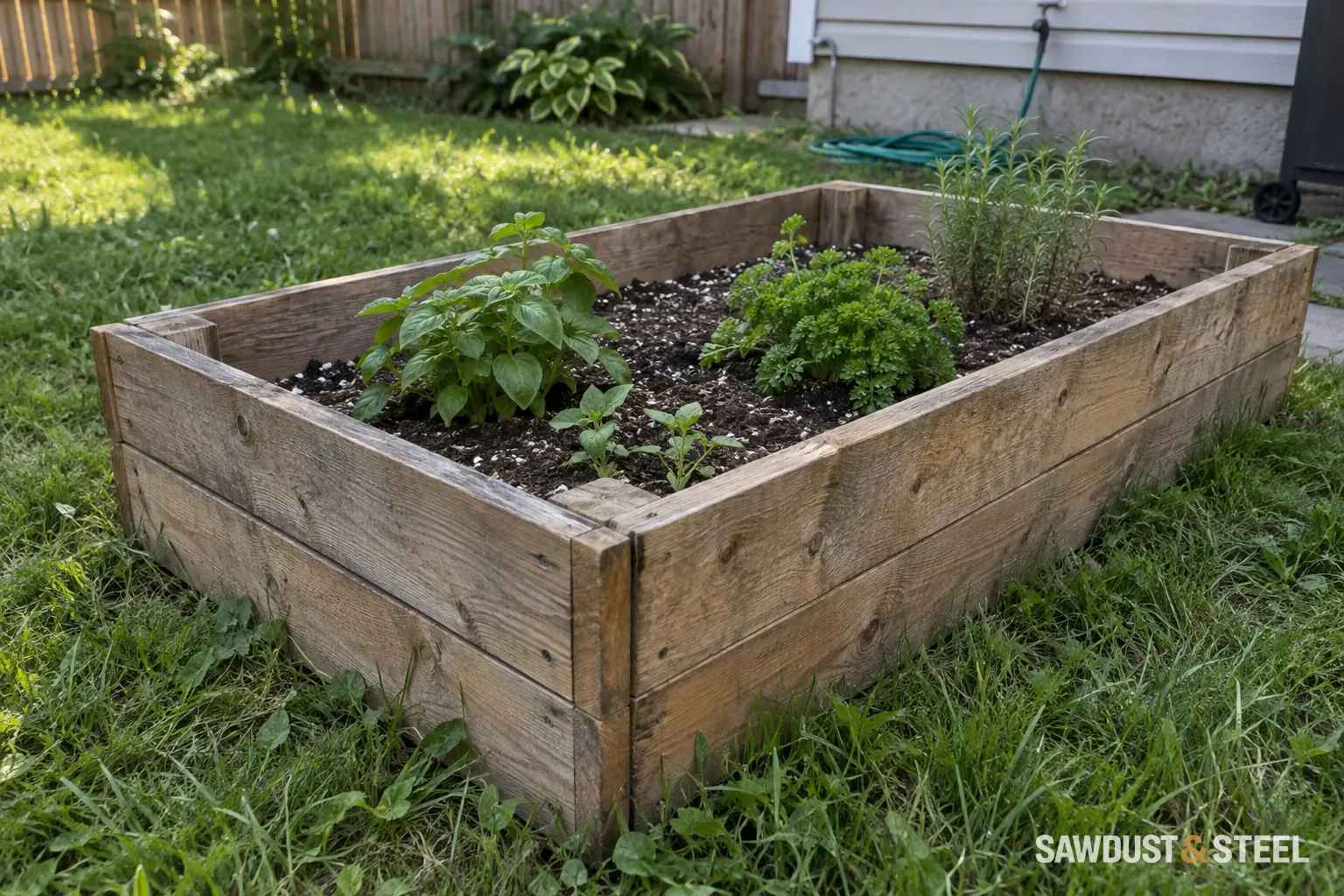
A vegetable bed keeps its sides in regular contact with damp soil, quite unlike a fence board drying in the breeze.
Read the guideA small end check in an outdoor board is not the same observation as a split through the screw that holds it. Look at the crack in relation to the connection, the remaining wood and any movement before choosing filler, a replacement board or a structural repair.
Read the guide
A lightly pigmented stain, a solid-colour coating and leaving cedar to weather are different maintenance commitments.
Read the guideAn open-bottom garden bed, an elevated wooden box and a decorative sleeve around a removable pot are different arrangements.
Read the guideA double gate needs a firm place for the inactive leaf to stop and lock. If the ground bolt drops into loose soil or a rocking paver, the two leaves can move even when the latch is closed. Start with the closed gate position and the finished ground, then choose the receiver detail.
Read the guideA catalogue panel height is only one part of the calculation.
Read the guideDistinguish normal cedar weathering from wet, damaged board ends. Check soil, mulch, irrigation and connections before staining or cutting the fence.
Read the guide