
Storage, floors & trim3 min read
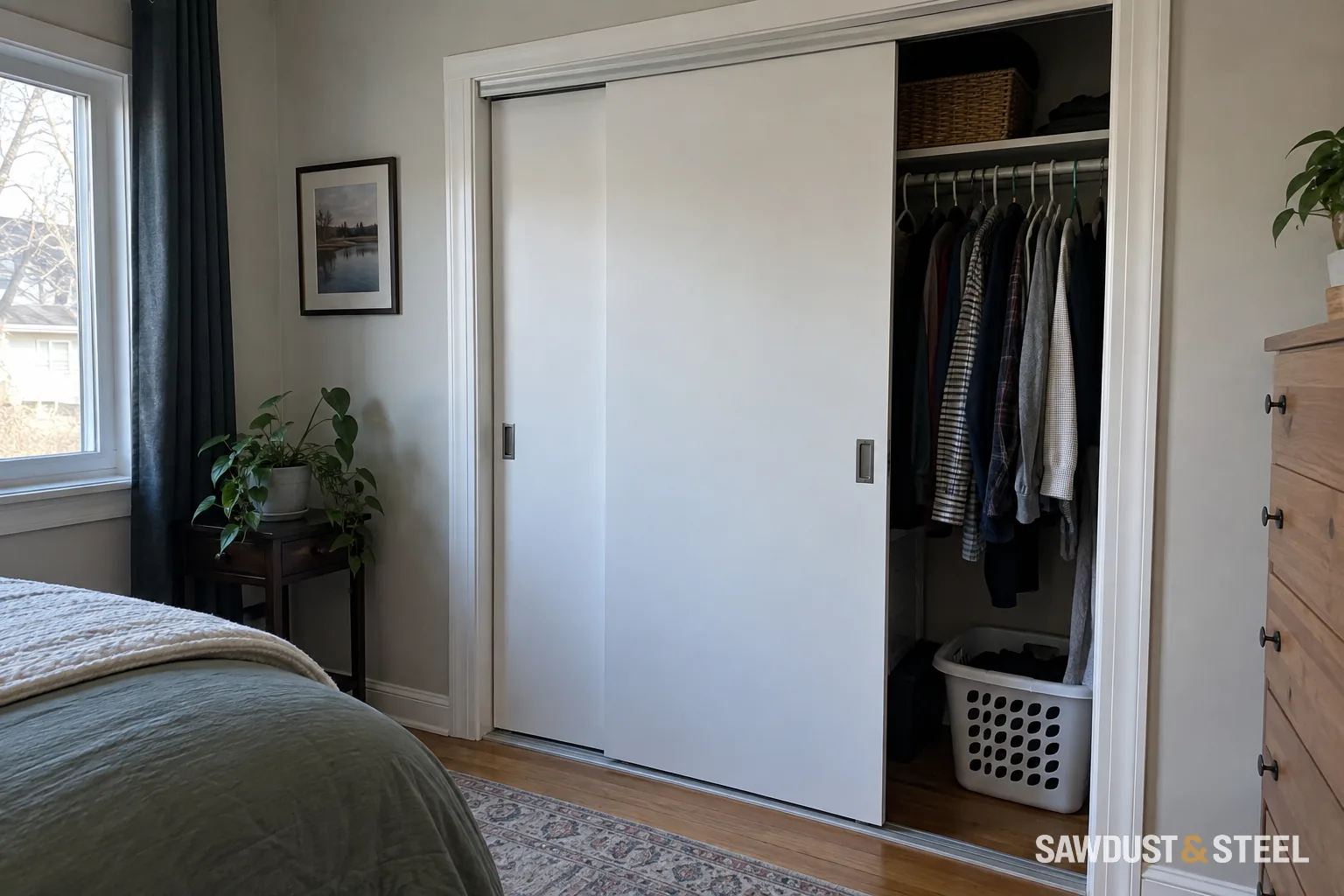
Sliding Closet Doors: How Much of the Closet Can You Reach?
A six-foot closet does not give you six feet of access when half its doors are parked in front of the other half.
Read the guideGuides 25-36 of 38 · Page 3 of 4
A six-foot closet does not give you six feet of access when half its doors are parked in front of the other half.
Read the guide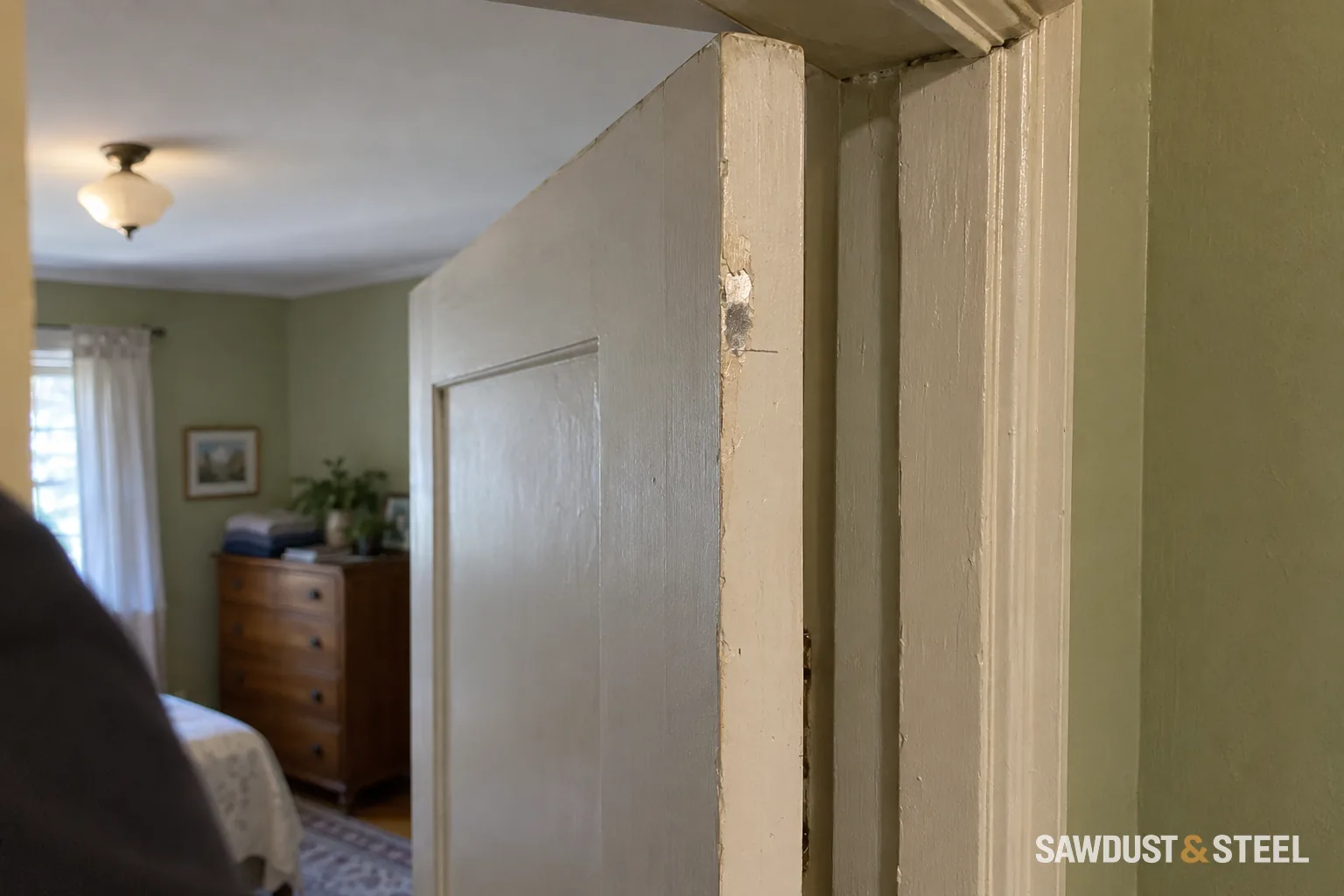
Bedrooms and closets do not ask the same things of a door. Spend on the rooms where the difference earns its keep.
Read the guide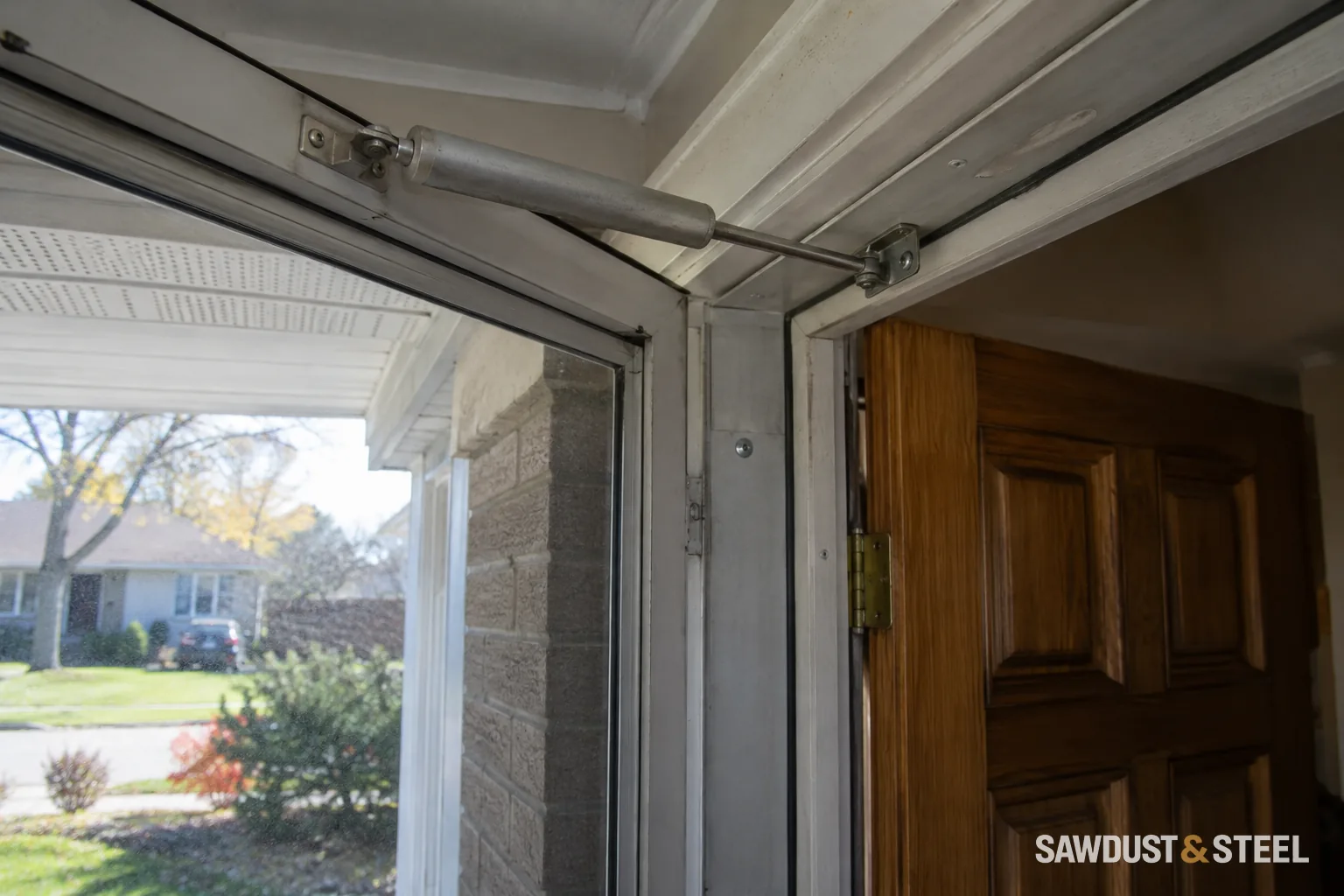
Test it with the main door open and closed. That one comparison can explain a surprisingly stubborn storm door.
Read the guide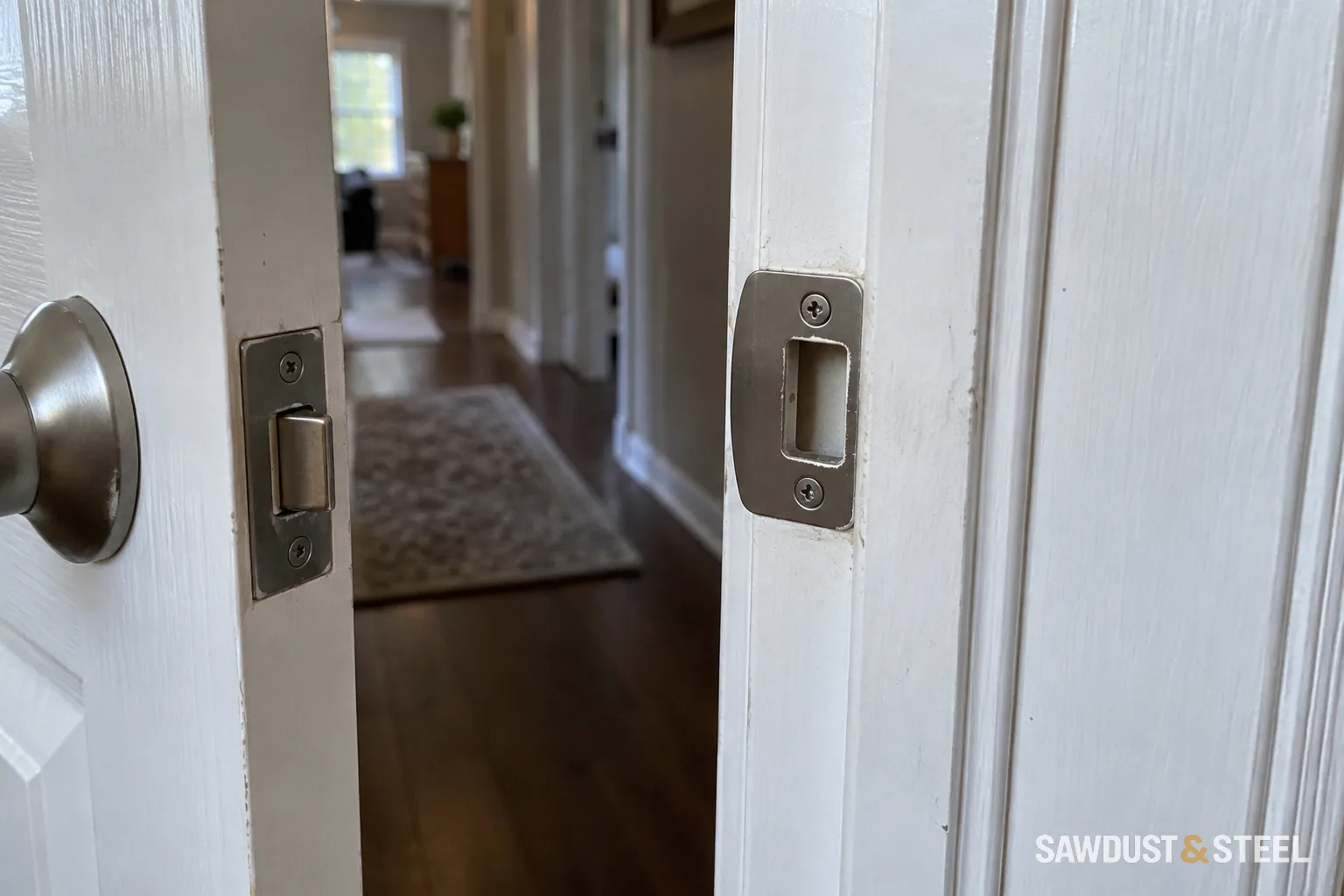
A door that needs a shoulder shove is giving you a useful clue. Find the contact point before reaching for a file.
Read the guide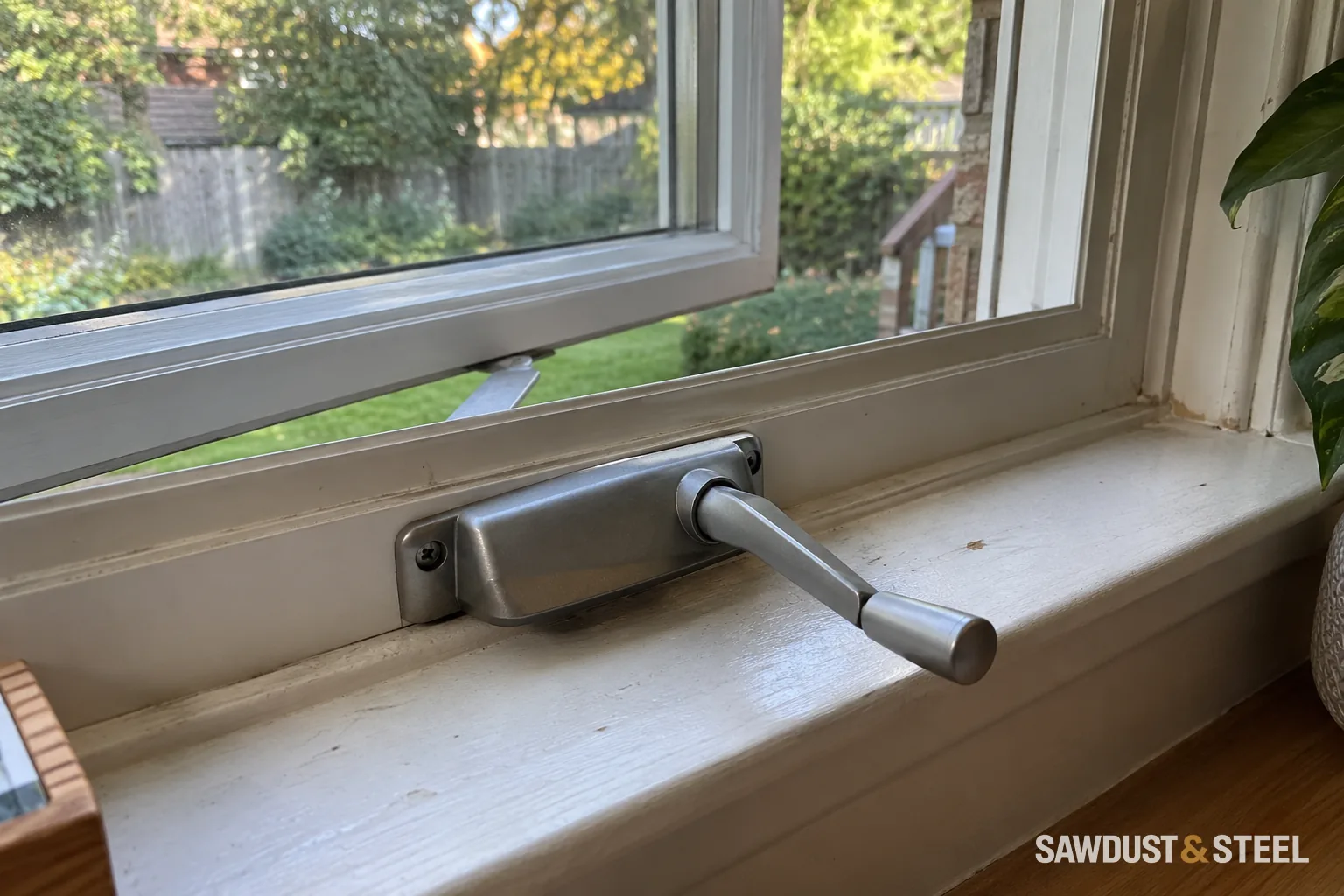
The handle, the gear mechanism and the sash are three different parts. Find where the motion stops.
Read the guide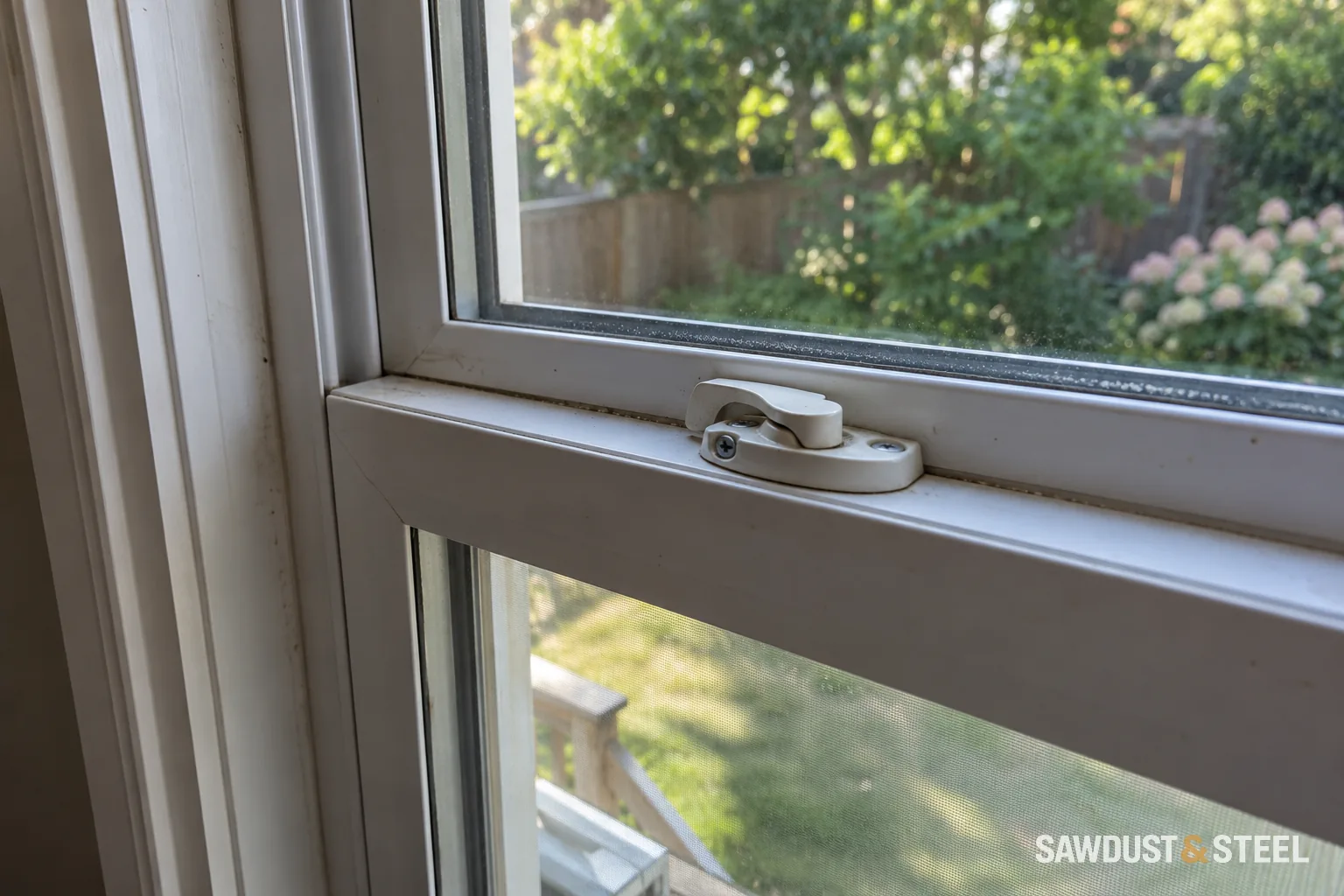
A window can look shut while one corner is still slightly open. The lock should not have to drag it into shape.
Read the guide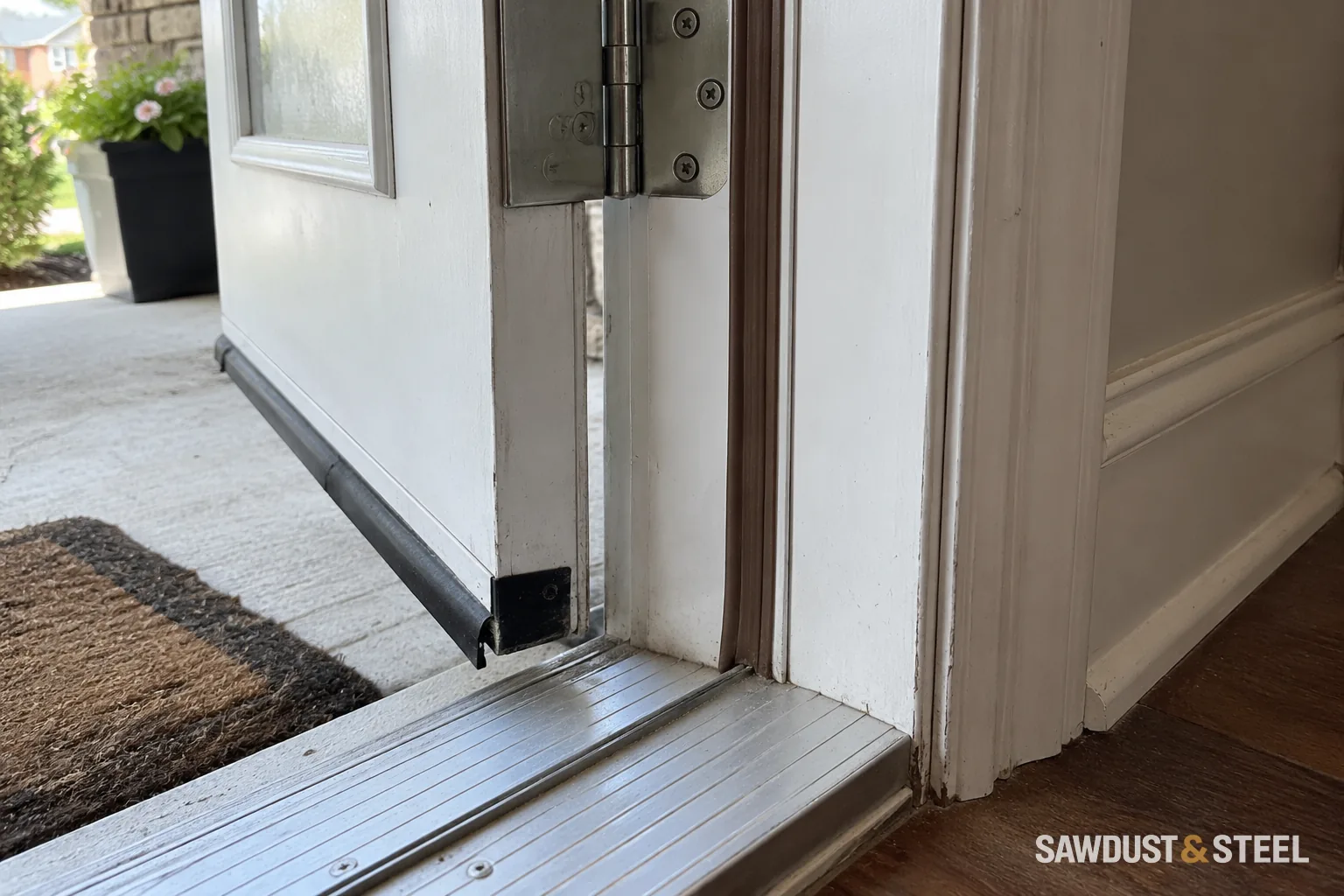
The puddle is the end of the route. Find where the water starts before sealing the inside edge.
Read the guide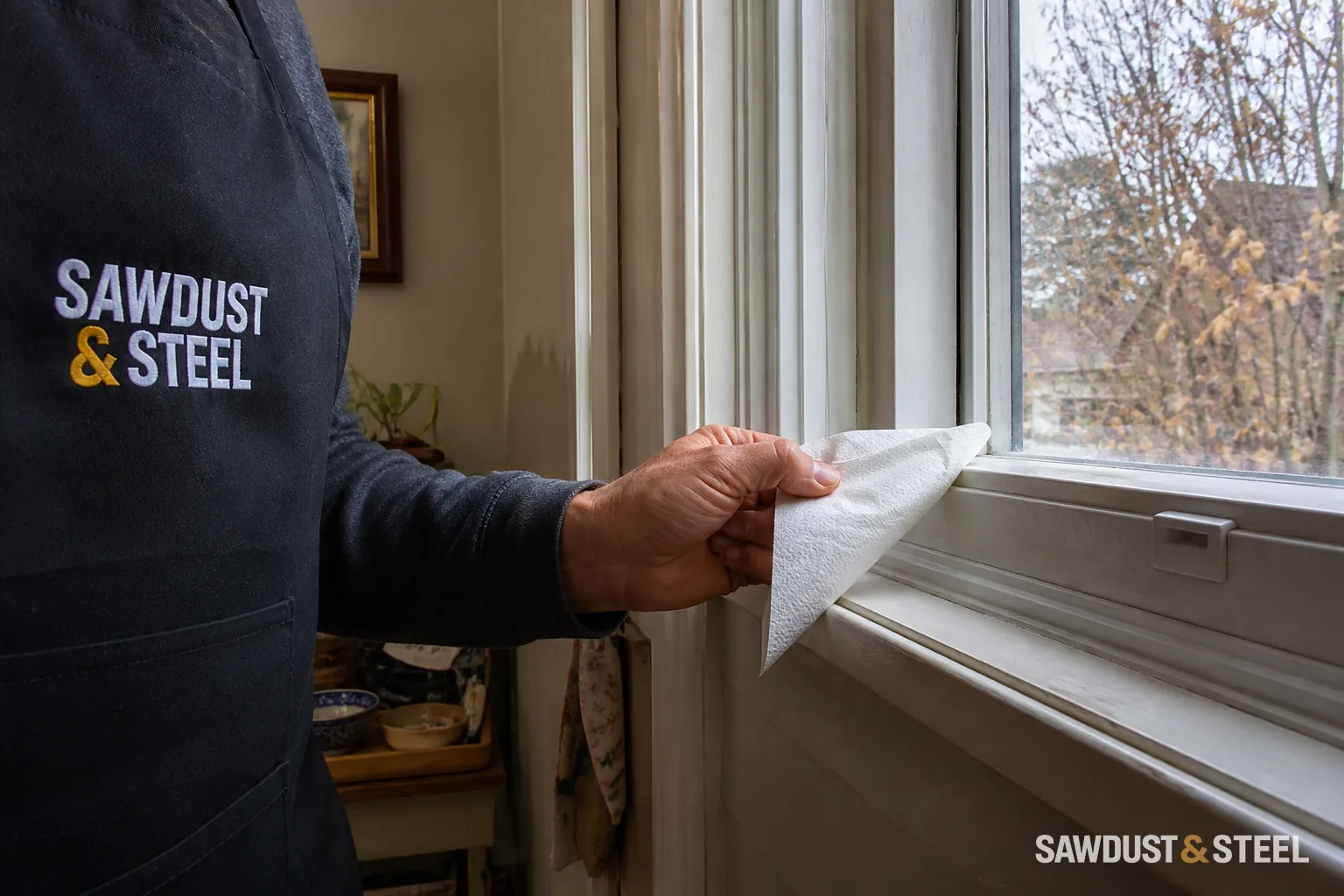
Some sills are designed to collect water briefly and send it outside. The important question is where it goes next.
Read the guide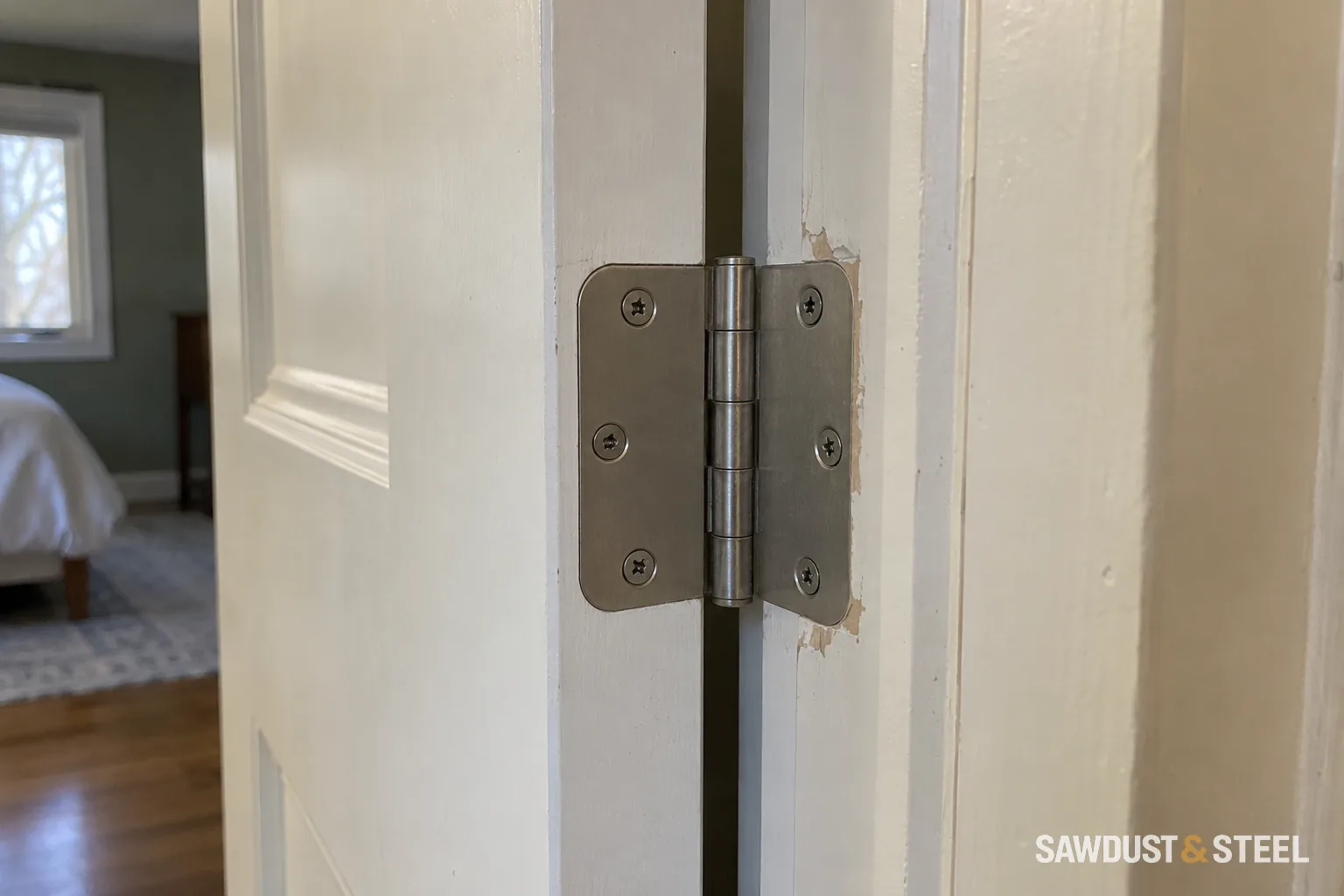
The right stop catches a sound part of the door before the handle reaches the wall. The wrong one moves the dent.
Read the guideBefore bending a hinge pin, find out whether the door is being pushed by air or pulled downhill by its own weight.
Read the guide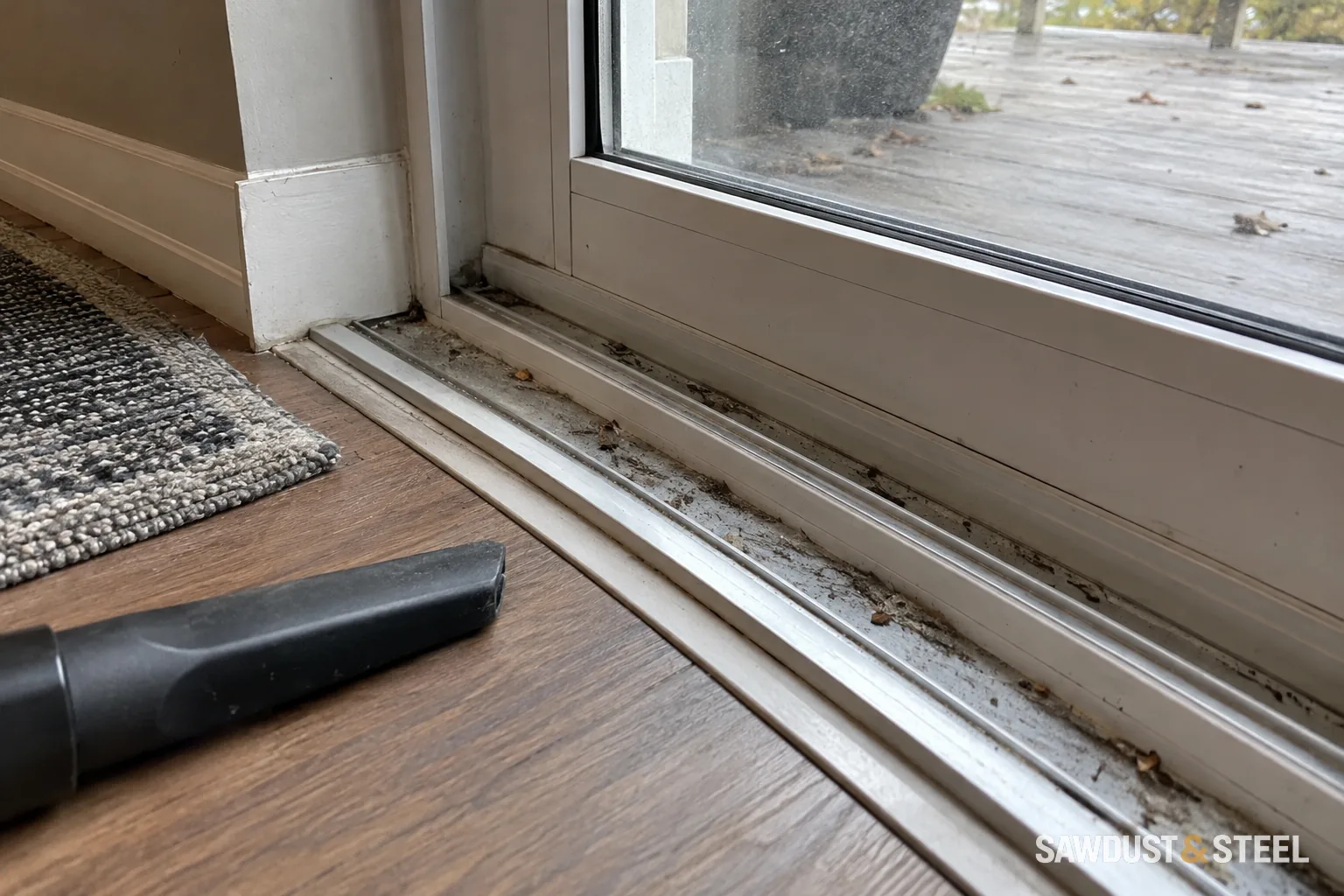
The glass door can work perfectly while the screen keeps escaping. Treat them as two separate mechanisms.
Read the guide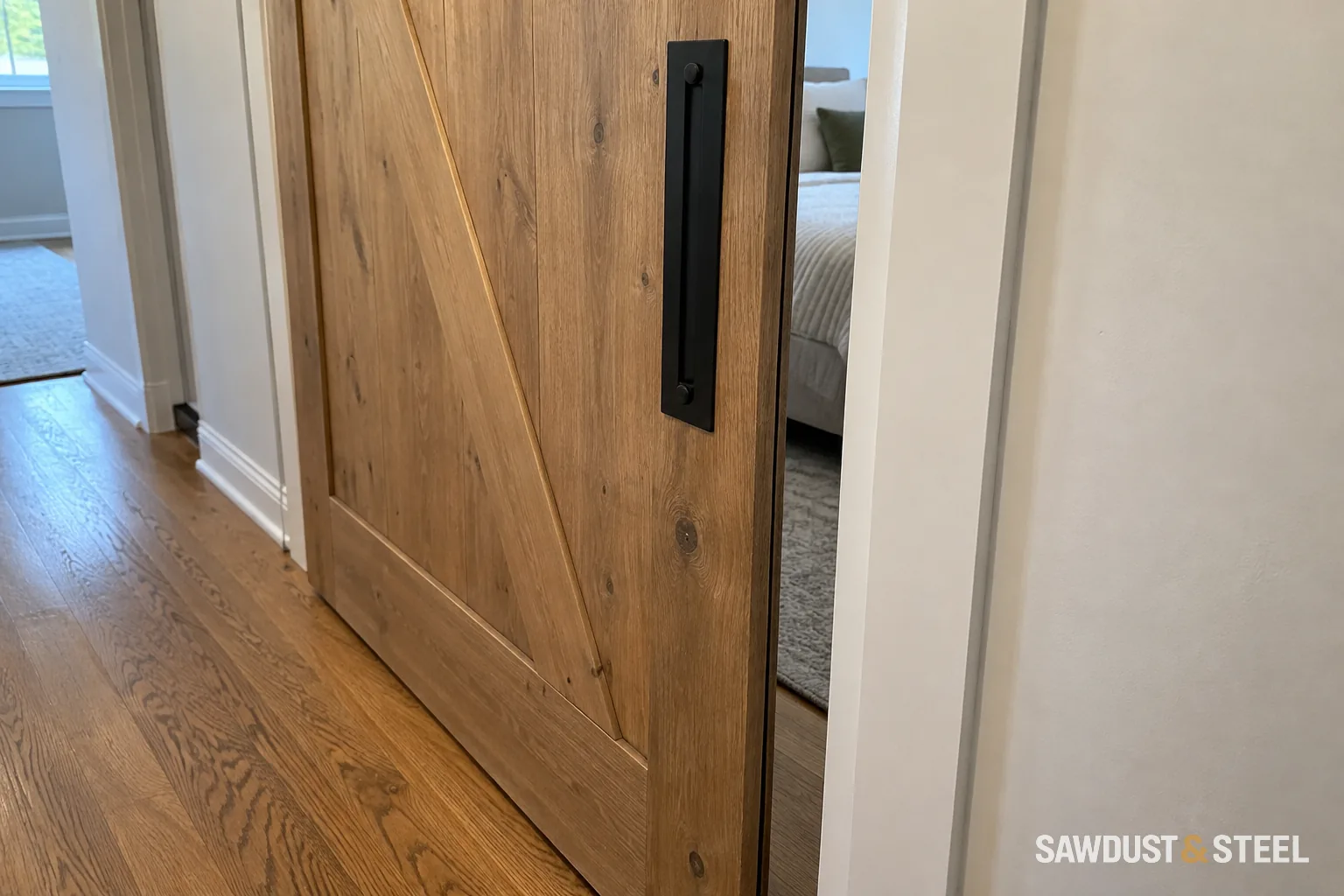
A sliding slab can hide the bed and still let a hallway conversation into the room. Decide what privacy needs to mean.
Read the guide