
Storage, floors & trim3 min read
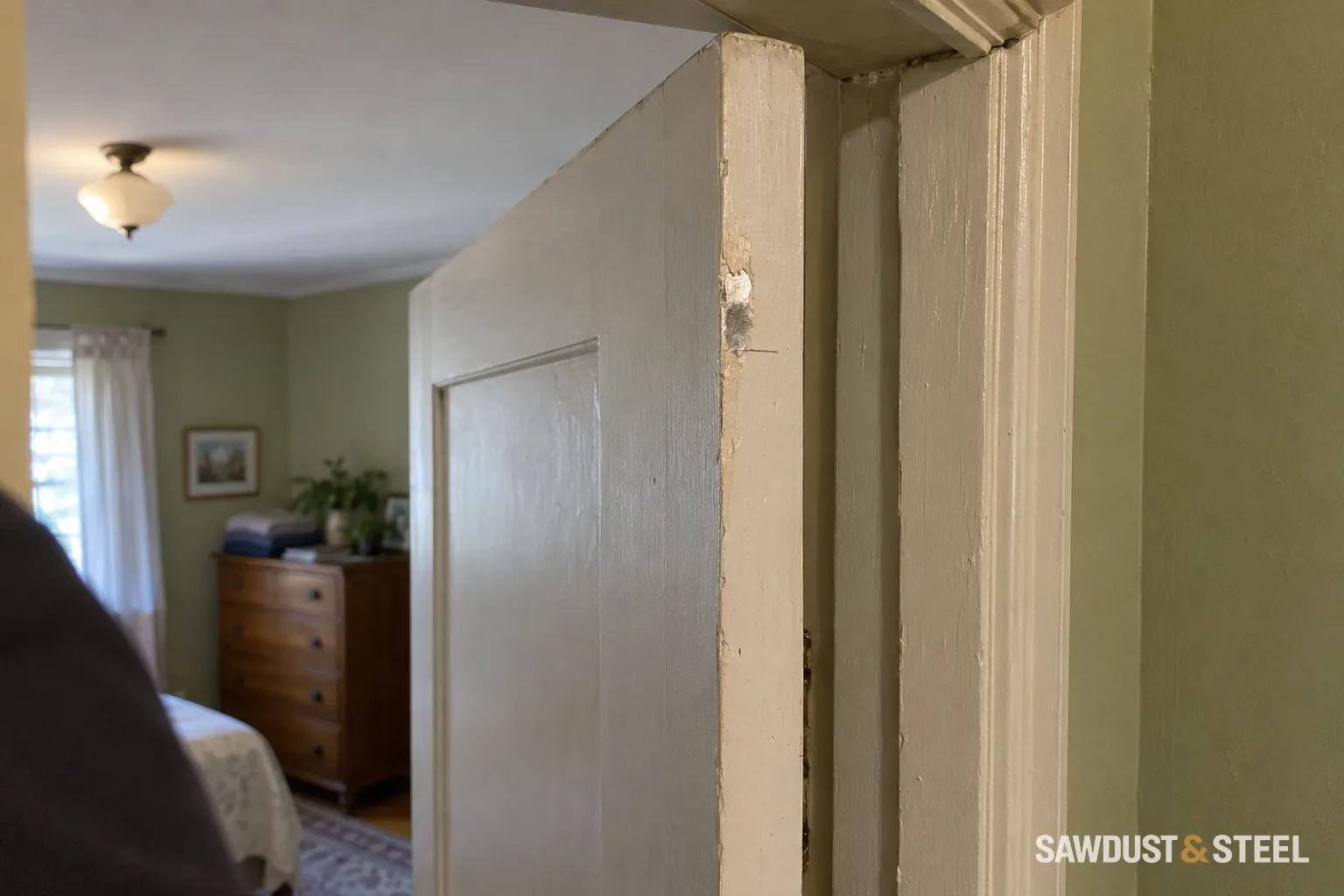
A Door Sticks in Summer. Should You Plane It?
A sticking door can reflect humidity, hinge movement, or a changing opening. Check the pattern before removing wood and creating a winter gap.
Read the guideGuides 133-144 of 146 · Page 12 of 13
A sticking door can reflect humidity, hinge movement, or a changing opening. Check the pattern before removing wood and creating a winter gap.
Read the guide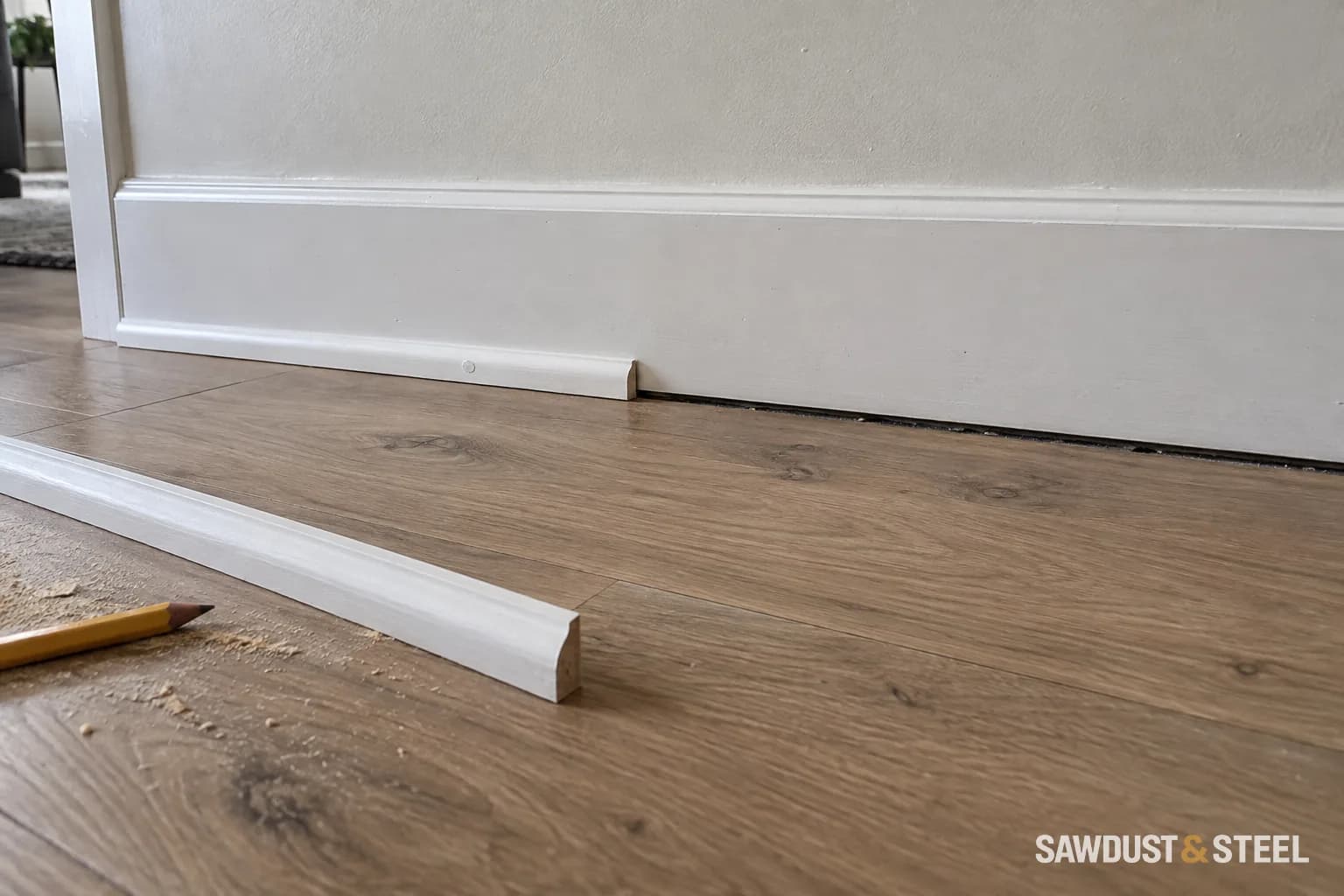
The right trim sequence depends on the flooring and existing baseboards. Plan expansion space, shoe moulding, door casing, and protection before installation.
Read the guide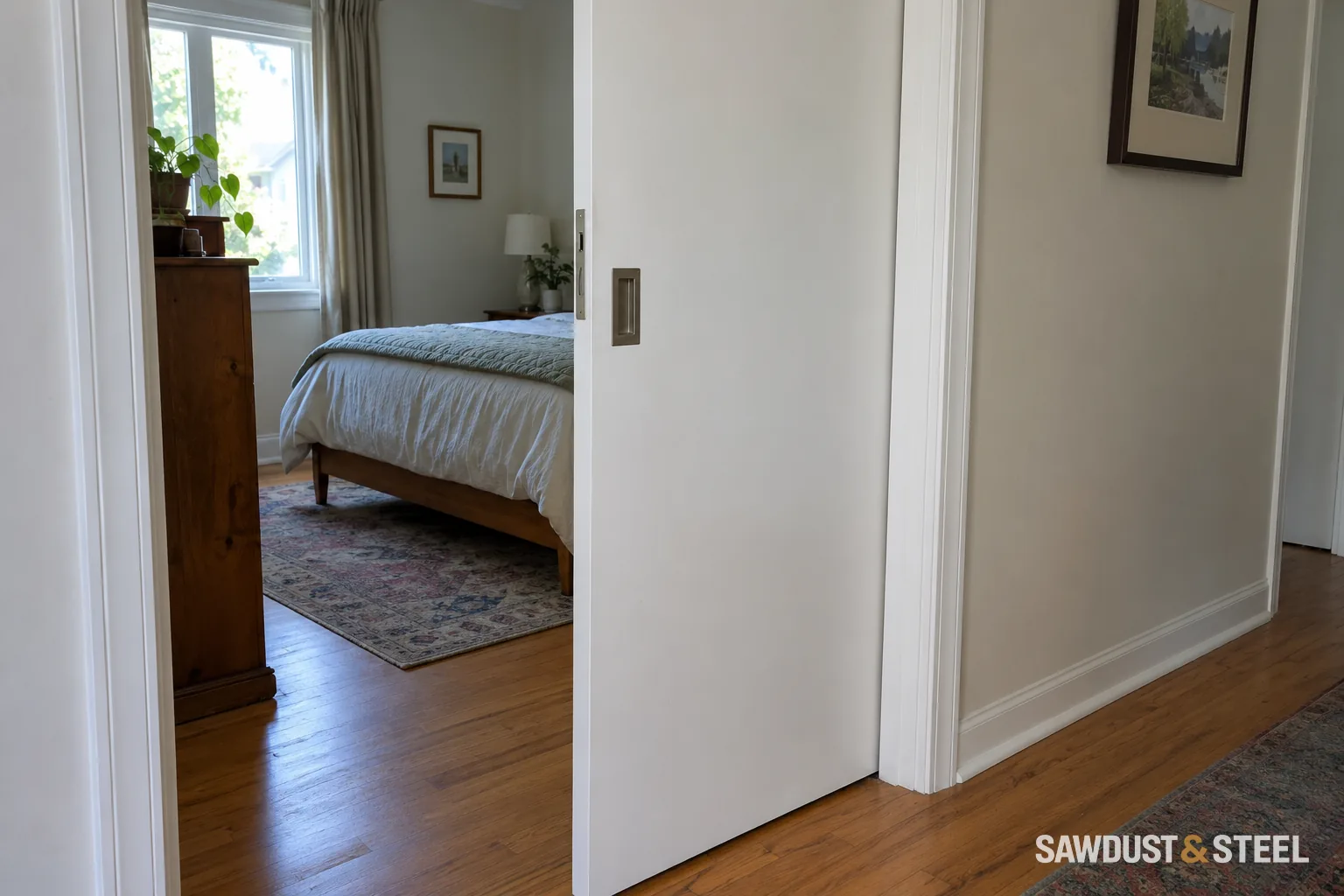
A pocket door saves swing space but needs a suitable wall cavity. Check structure, hidden services, hardware, and future access before choosing the opening.
Read the guide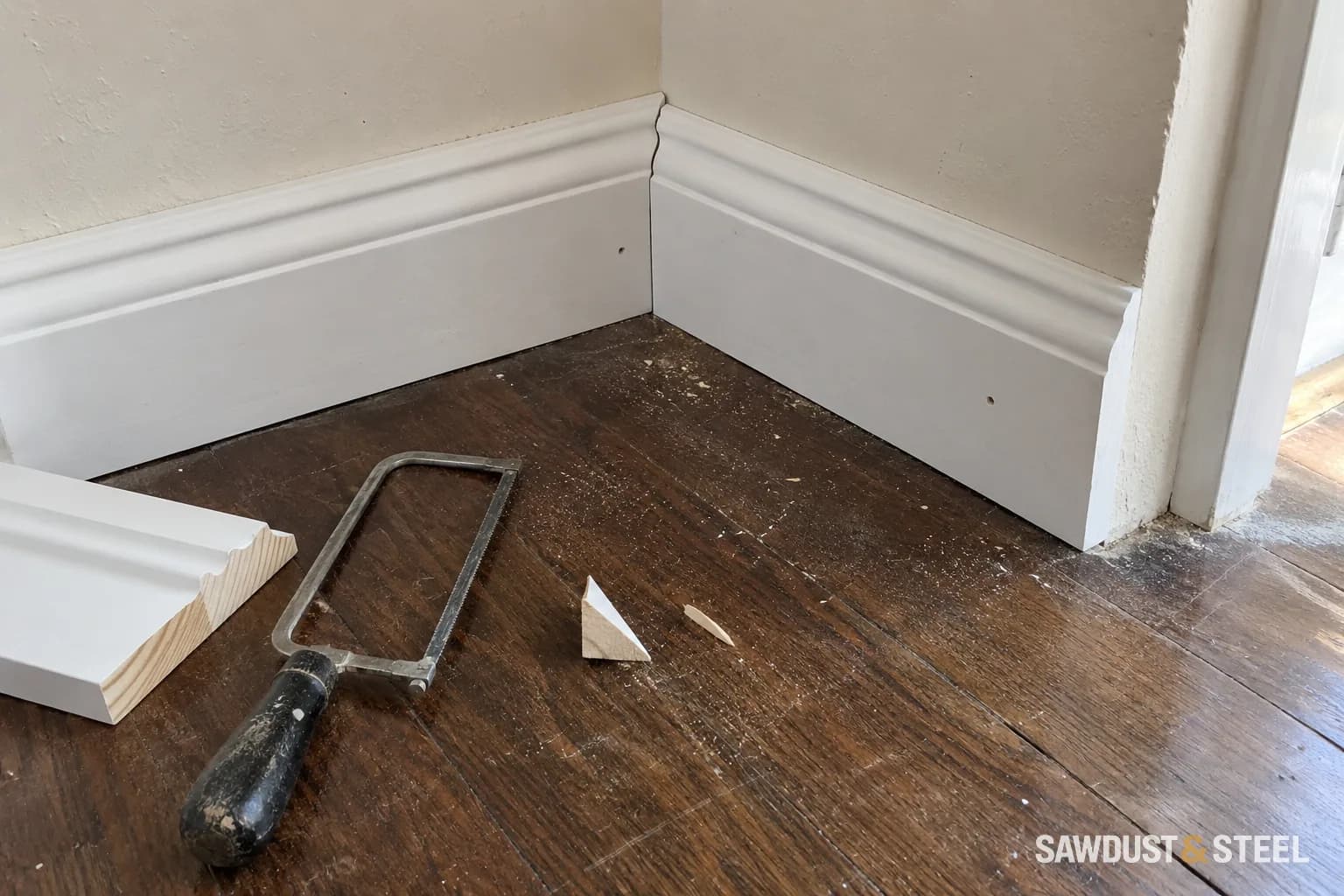
Inside baseboard corners can be coped or mitred. Match the joint to the profile, material, wall angle, and finish instead of relying on paint to hide poor fit.
Read the guide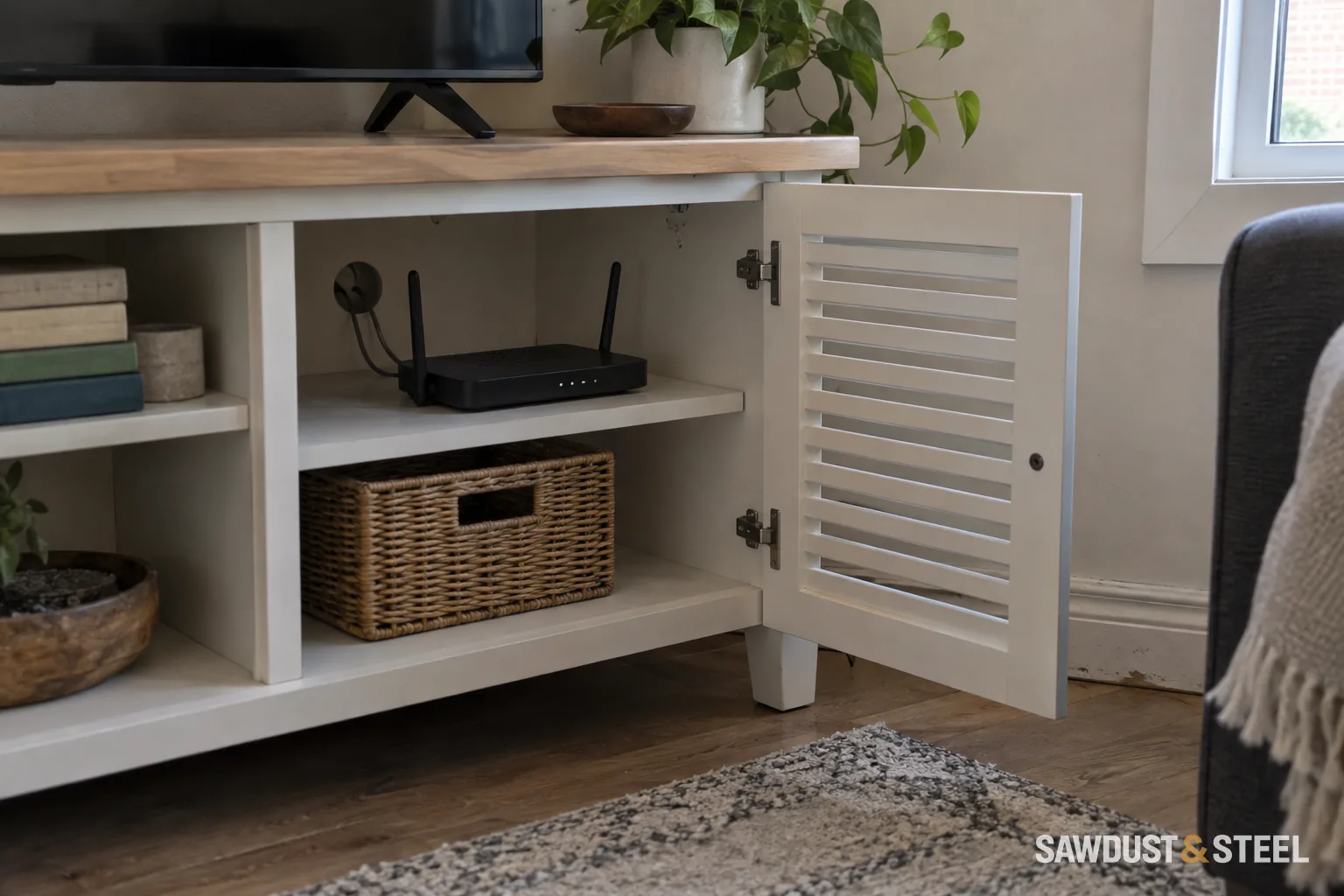
Fitted storage can cover outlets, switches, and cable routes. Coordinate usable power and required access before the cabinet backs are made.
Read the guide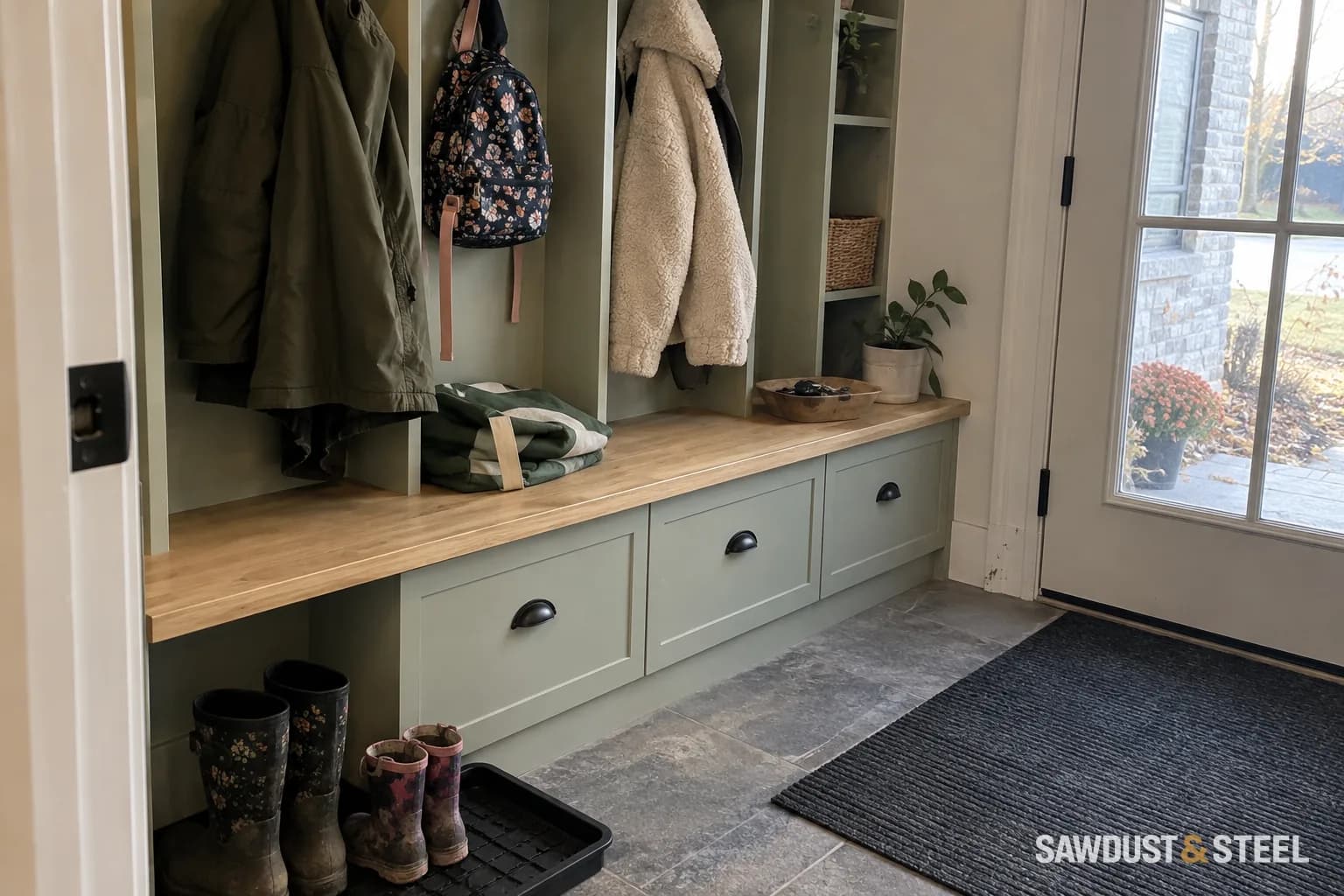
Closed doors hide the coats. They do not persuade anyone to hang them up.
Weigh the options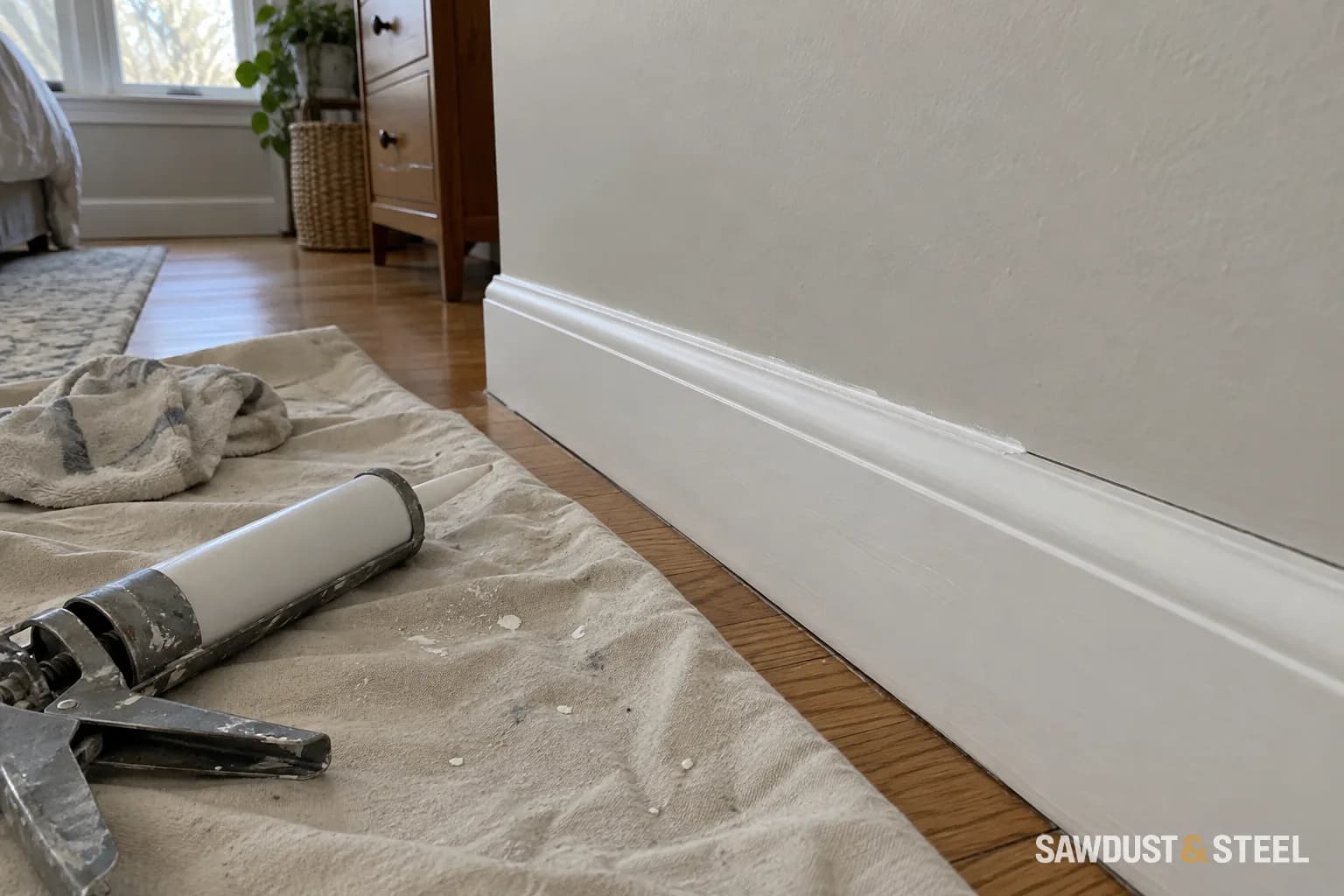
The paint is flawless until a shiny line refuses to take colour. The tube label was part of the job.
Read the guide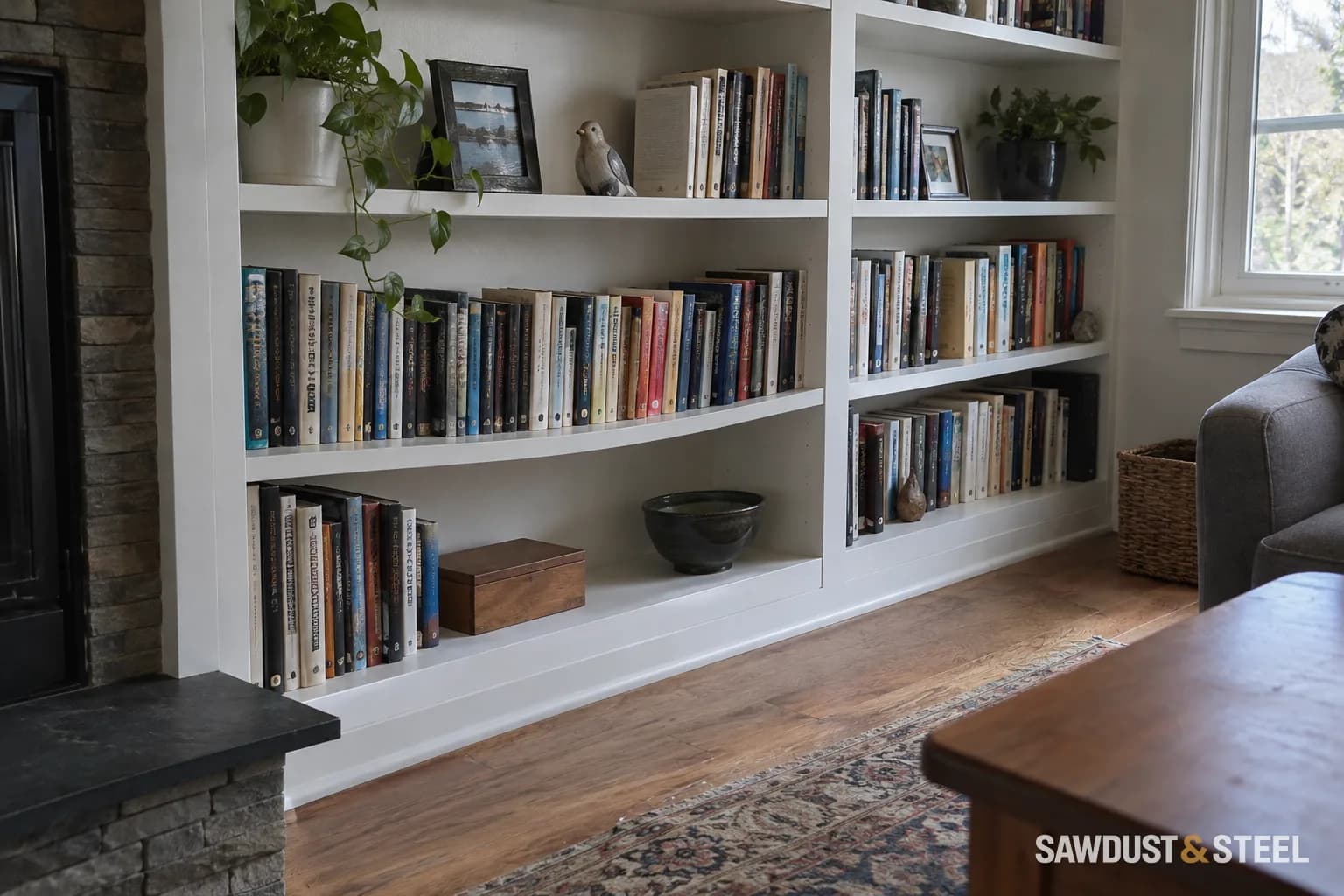
The shelf held a vase beautifully. Then the cookbooks moved in and it developed a smile.
Read the guideThe trim looked perfect in August. By February, one corner has developed a small but very visible opinion.
Read the guide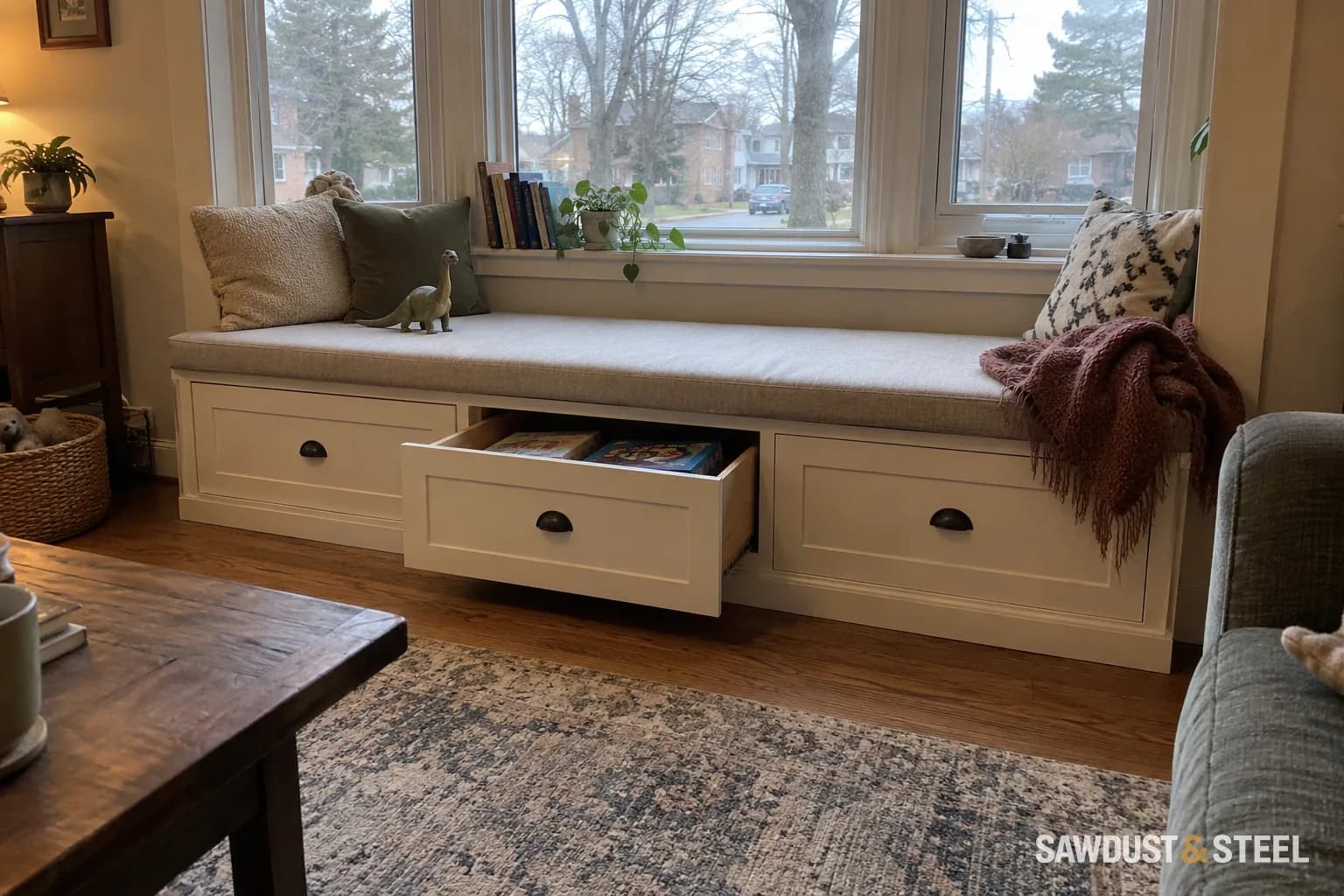
A lift-up seat holds plenty. Getting the blanket means moving the person who wanted the blanket.
Weigh the options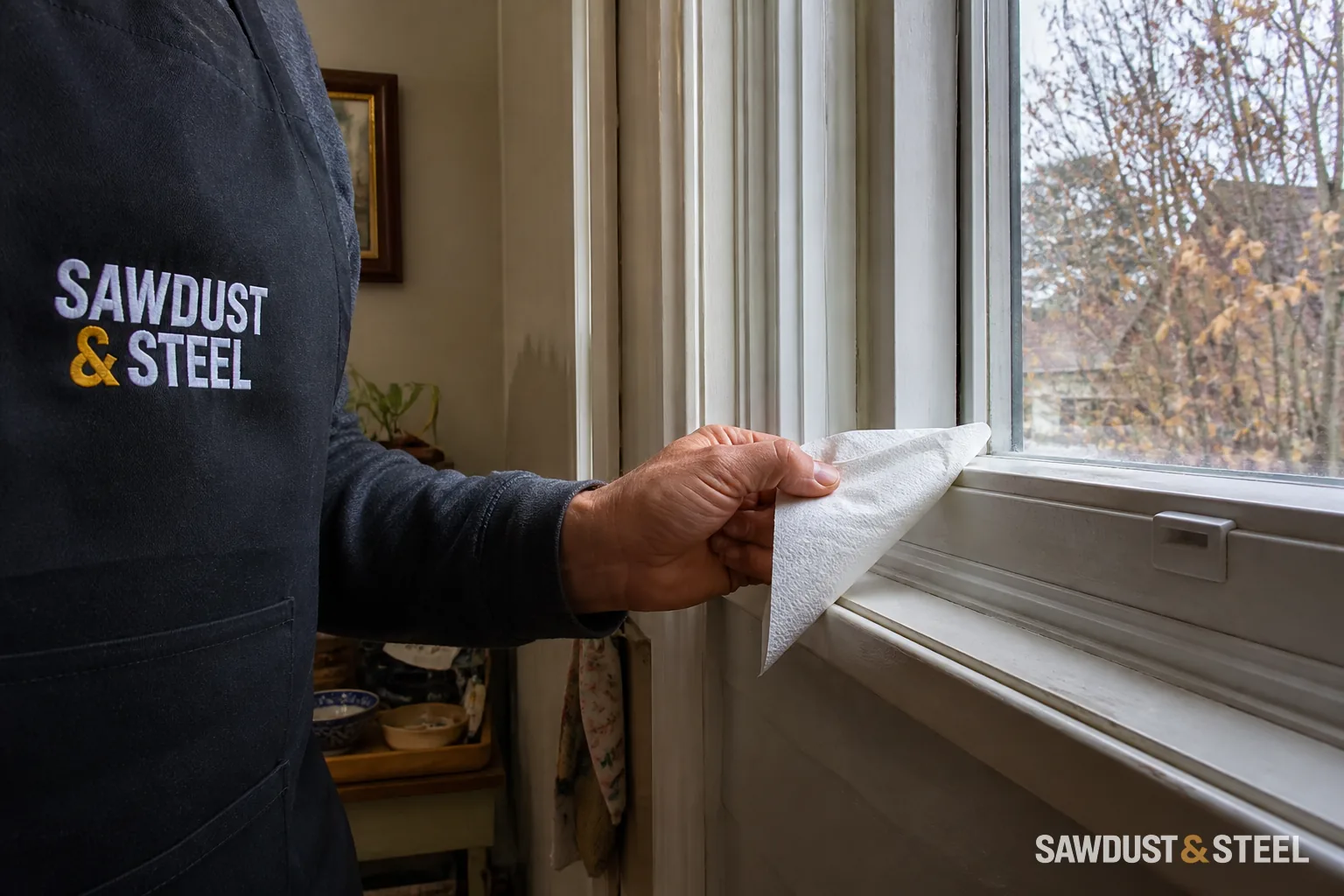
That chilly feeling beside a window may be moving outdoor air, cold glass, or a room-wide heating problem. Test the location before buying caulk.
Read the guide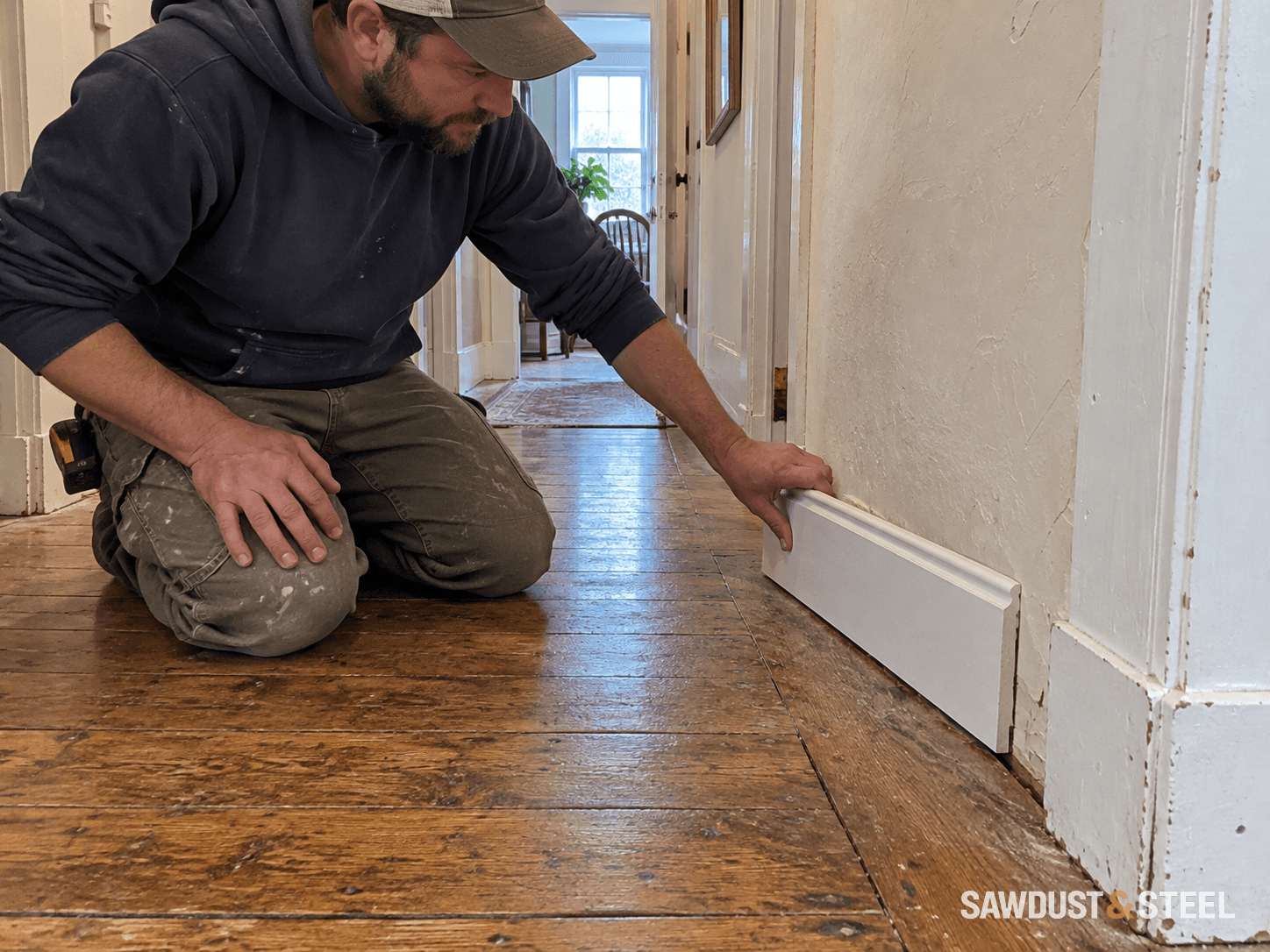
Uneven walls and floors can leave gaps around new trim. Scribing transfers the wall or floor shape onto the trim so the visible edge fits cleanly.
Read the guide